Language is the ability that two or more people have to encode ideas into a signaling system for communication. There are many forms of communication such as signing, singing and speaking. There are also two agreements that must be made for language to exist and to be effective. The first is that a sequence of sounds represents a certain object or an event. The second is that words are always used in a certain grammatical order for a sentence to have meaning, but these vary within groups of people. These two agreements exist in all cultures regardless of their language.
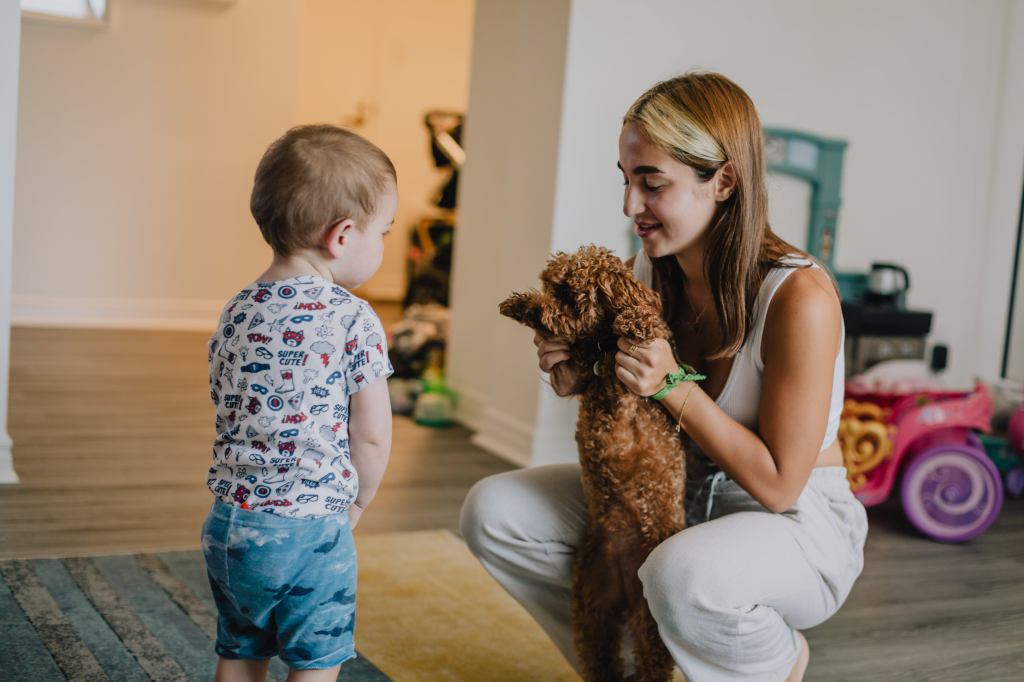
Language has many characteristics such as it being creative and in continuous development. Interestingly, language is not limited to thoughts. For instance, infants are drawn on past experiences they have had on past objects. Additionally, language is fundamentally social. We use it to be part of our family and our social group. It is a very unique human aspect. It’s through language that we communicate with our species, express our ideas and reflect our culture.
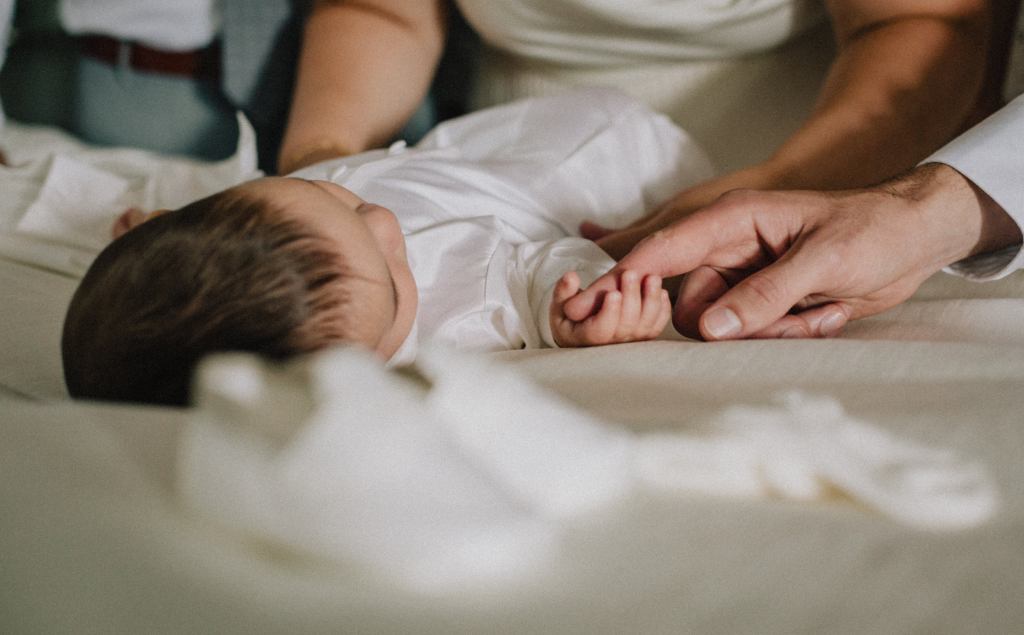
There is a universally recognized structure to the acquisition of language and so all children follow the same acquisition time frame. The first stage is called Prelinguistic. It begins at 7 months in the uterus and continues until the first time the child speaks its first real word. Sound and movement help with the sense apparatus. At 3 months old, the child becomes interested in the human voice. At around 2-4 months, the baby starts to cooing, gurgling, and making long vowel sounds. At 6 months, infants start making Automatic Babbling. They take delight in practicing all these different sounds, even making sounds that are not human. Their cords start lengthening, and they are able to make consonant sounds such as papa, dada, mama, etc.

This developmental milestone will lead onto Selective Babbling which is when the infant stops making sounds that they do not hear in the environment. Between 6-7 months of age, babies start linking words to their meaning. Lallation takes place around 8 months, which is when children start embedding words into what they say by replacing difficult sounds for easier sounds that they can make. At around 11 months, children go into the Echolalia phase. I remember looking after kids who went through this phase. They just loved repeating or imitating my words. I would ask “Do you want to go to the park?” and they would say “park” instead of yes or no. Finally, at 12-18 months Linguistics occurs which refers to the child’s explosion of vocabulary acquisition. This “word spurt” that children experience can be very fun and rewarding.
As a child caretaker, it can be quite overwhelming to attend to all these developmental milestones as they are happening. Therefore, it’s important to practice and improve your observation skills whilst linking the child to the environment and removing obstacles. Adults can also support language development by breastfeeding, reading books, speaking slowly and clearly, using real words, allowing children to choose their own words, making constant attempts to listen and understand them, engaging children in daily conversations through rich vocabulary and many more. Overall, the adult’s role is to aid children in their development by understanding their needs and acting appropriately.
 Braga Montessori