When introducing a new concept or vocabulary and demonstrating the purpose of a material, guides should use the Three Period Lesson. These periods offer a slower and easier learning process for the child. It is an interactive holistic learning technique where the child absorbs new knowledge through language and hands-on discovery and exploration.

The First Period is called the Introductory Period. This is when the adult introduces the items to the child. You may introduce the items by saying “This is a banana” and “This is an apple”. It’s important to use simple language and concrete material. Grab an actual banana and apple and place them on a surface. Constantly repeating the objects’ names and allowing the child to touch the objects are important characteristics of this period.
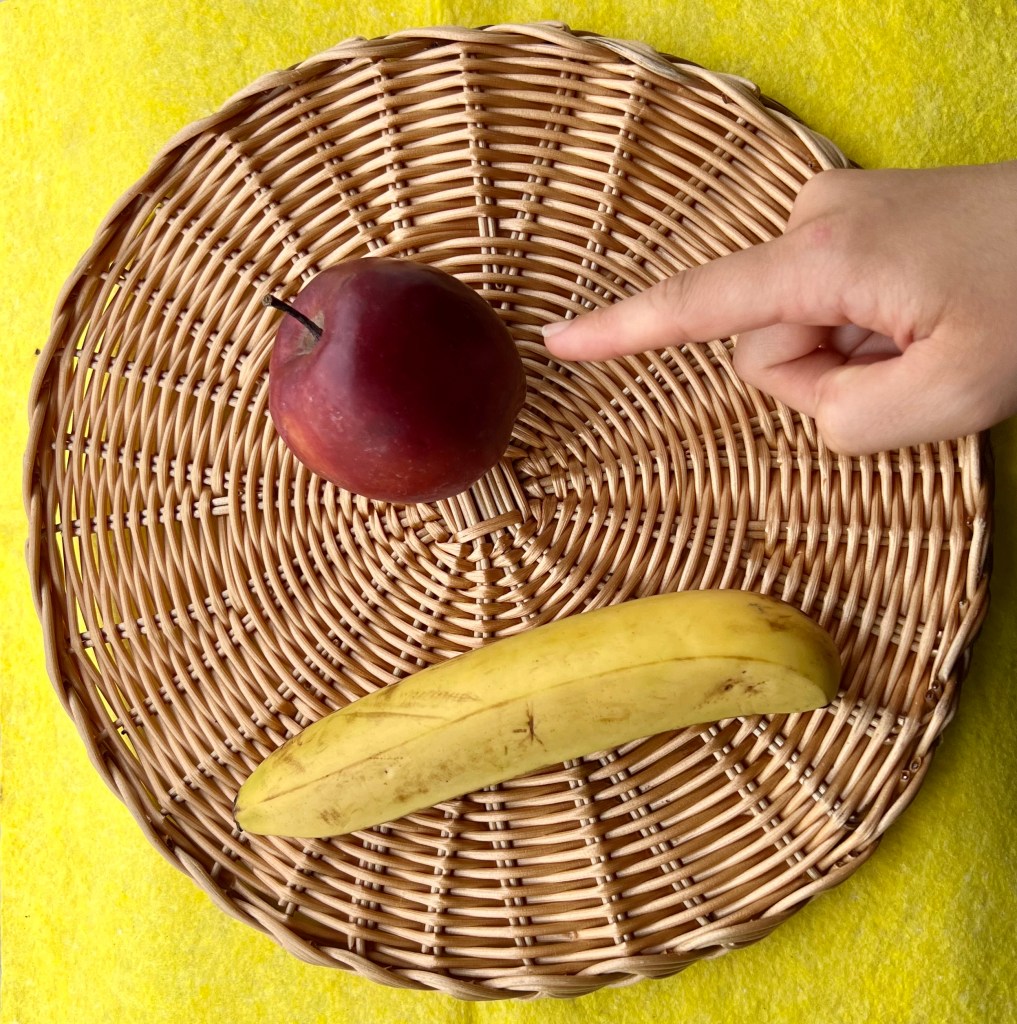
The Learning Period is the Second Period. It consists of repetitions and touching the objects while adults are repeatedly saying the objects’ names. Identifying the items will be important because at this point, the child needs to be able to show you which objects you are asking about. Following our example, you may ask the child: “Can you show me the apple?”. Don’t look at the items when asking. Allow your child plenty of time to think about your question and point to the right object. The Second Period tends to be the period that takes the longest as there’s a lot of opportunity for discovery and creativity. However, the length of each period will vary from child to child because each child’s needs are different. Once you see the child is able to do it quickly without hesitation and error, then you will know they are ready to move to the next period.
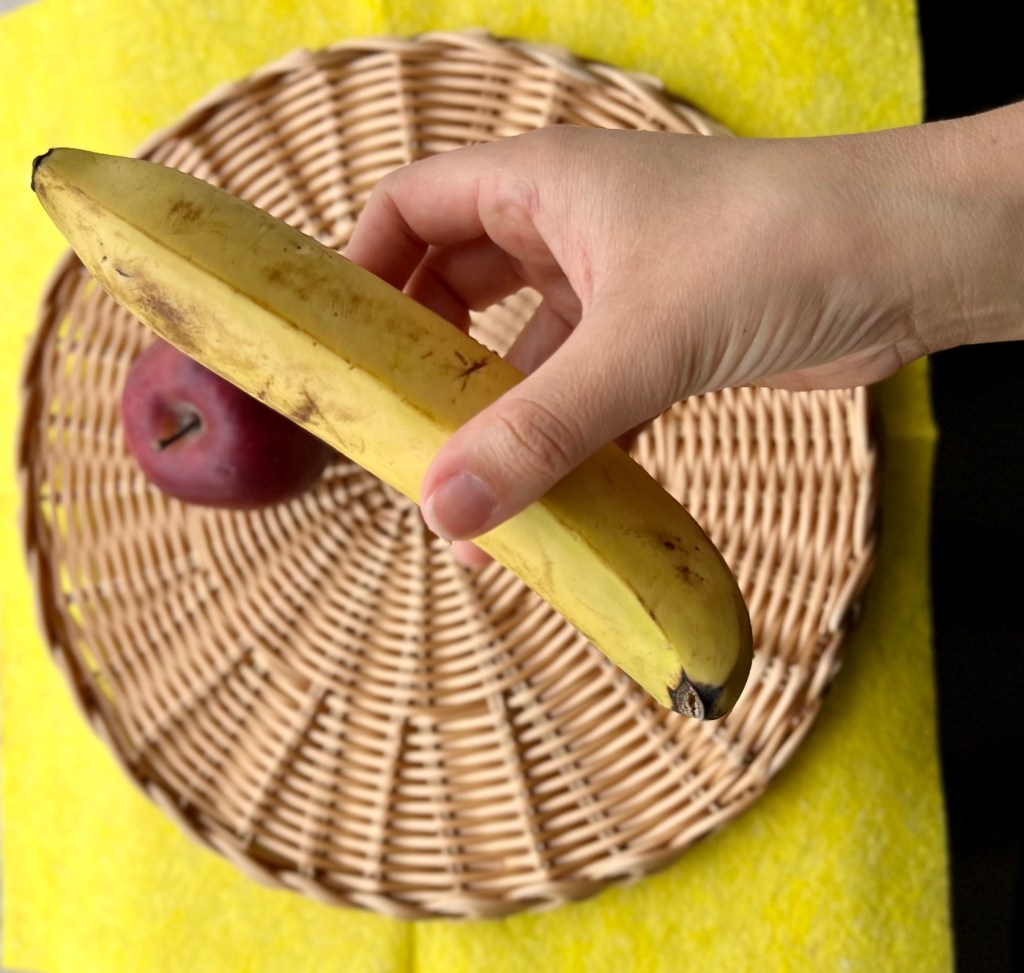
The Third Period or the Verification Period, is when the child has reached the level of expressive language or that transition into the primary environment as a preparation. The child will now have the understanding and the vocabulary to be able to verbalize that back to you. You may pick up the item you are going to inquire about and ask “What is this ?”. The child should be able to answer “That is a banana!”
The Three-Period Lesson is going to empower your child through experiencing the concept, the material, the vocabulary, and the principal of each subject they are working on. If your child makes a mistake, you can always go back to the previous period. It’s important not to correct and not to lecture them. You want to help your child develop a growth as opposed to a fixed mindset. Mistakes are an opportunity for learning and growth. Remember that common tagline we often hear within the Montessori Method: “Follow the Child”. Dr Montessori points out that “the child will show us what they need to do, what they need to develop in themselves and what area they need to be challenged in. The aim of the children who persevere in their work with an object is certainly not to ‘learn’; they are drawn to it by the needs of their inner life, which must be recognized and developed by its means.”
 Braga Montessori