Toilet training is a milestone in every child’s life, and in the Montessori approach, it’s seen as an opportunity to empower children with the knowledge and independence they need to take control of their own bodily functions. Unlike conventional toilet training methods, which often rely on disposable diapers, Montessori emphasizes the importance of understanding one’s body, recognizing signals, and feeling the sensations that guide us to use the toilet. In this post, we’ll explore the Montessori approach to toilet independence and how parents and caregivers can prepare the environment, offer support, and empower children on their journey to becoming toilet-independent.
- Myelination and Development
Montessori recognizes the importance of a child’s physical development in achieving toilet independence. Myelination, a process that begins from head to toe, allows children to control their movements. By the time a child is about six months old and sitting up, this process reaches the pelvic area, giving them the ability to exercise control in that region. Historically, toilet training often occurred around the time a child began walking, as they gained better control over their bladder and bowel movements. This physiological development is a key aspect of toilet independence.
- The Road to Success: Feeling Wet
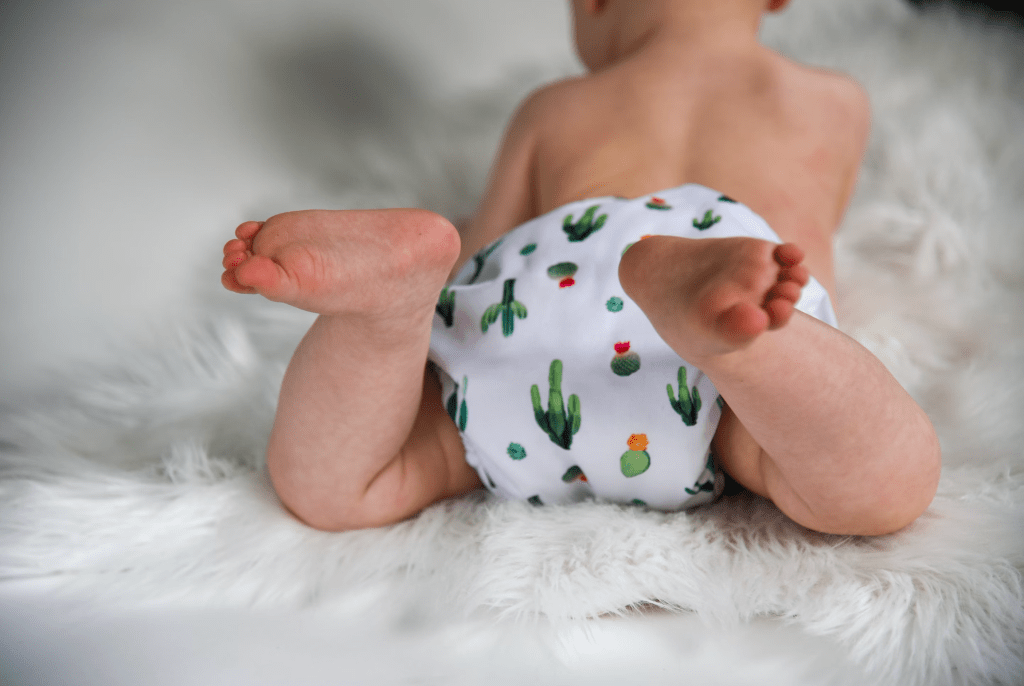
A fundamental principle in Montessori toilet training is that a child needs to feel wet to understand their body’s processes fully. Disposable diapers, while convenient, often absorb moisture so quickly that a child doesn’t feel wet when they release urine, leading to a lack of awareness about their bodily functions. In contrast, using cotton nappies or cotton pants allows a child to experience the sensation of urinating and having a bowel movement. Feeling wet and then being changed immediately helps children connect the sensation of wetness with the preference for dryness and cleanliness. This encourages children to instinctively react to the feeling of wetness, leading to the ability to hold their urine for longer periods.
- Preparing the Environment
The preparation of the environment for toilet independence differs depending on the child’s age and developmental stage.
- For children under one year old, indirect preparation includes using cotton nappies or training pants with a thick padded panel. This helps parents and caregivers understand when the child is wet and ensures the child is not left in soiled nappies for extended periods.
- As the child begins to sit up and shows voluntary movement control, parents can involve them in the routine by offering the opportunity to sit on a small potty during diaper changes. This practice aids in the association between using the potty and the toilet routine.
- For children older than one year who are walking, consider changing them while standing up. This position allows the child to see what is happening during diaper changes and promotes their involvement in the process. It’s essential to continue involving the child in all routines related to toilet use, gradually allowing them more independence as they develop the necessary skills.
- Offer the child the chance to participate in cleanup by providing a floor cloth or a small mop. Empowering children to take care of themselves in this way boosts their confidence.
- Allow Independence
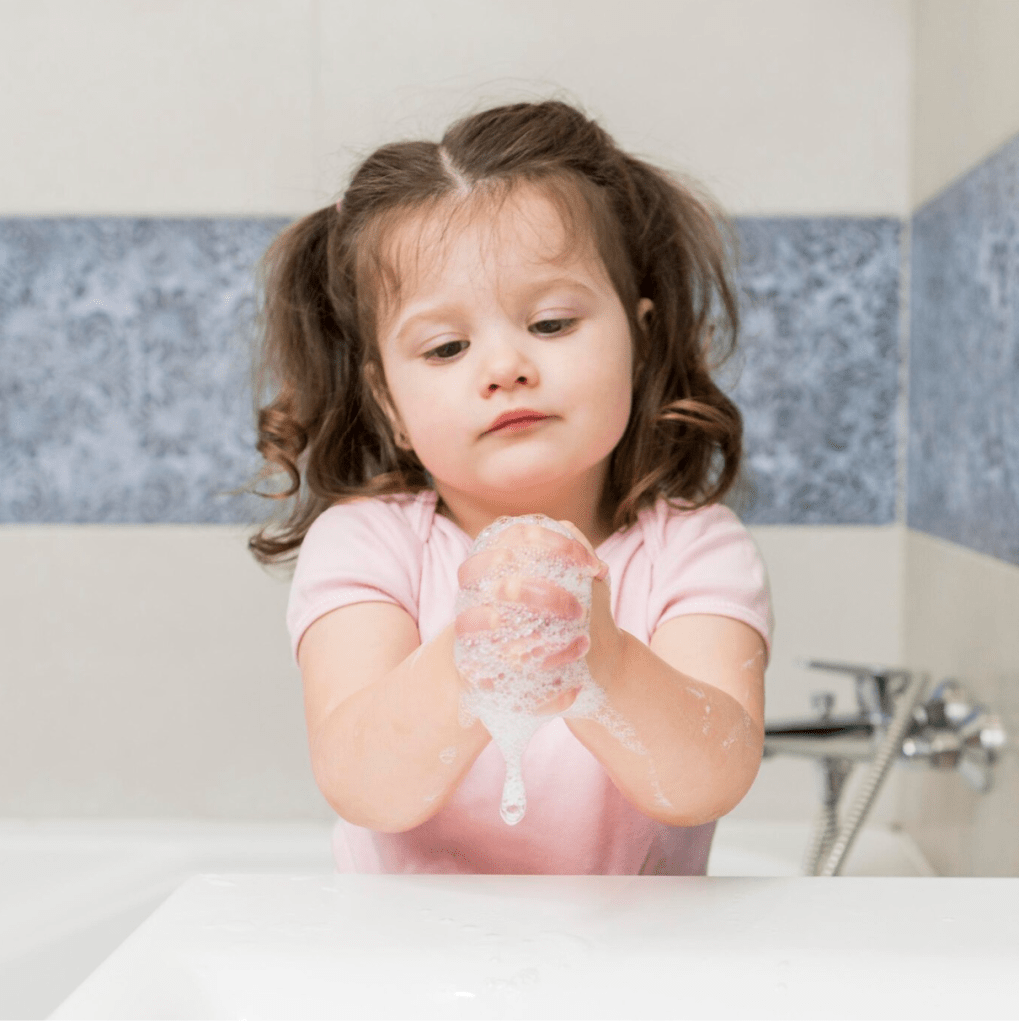
In the beginning, children may need significant help from adults, but as they grow, they become more independent. Encourage them to participate in all aspects of the toilet routine that they can manage. This might include flushing the toilet, taking dirty underwear to the hamper, choosing a pair of clean underwear, and washing their hands. Children often learn to hold their urine for longer periods, developing the ability to exercise control over their bladder.
- Being Cool About It
Establish predictable routines for offering children opportunities to use the toilet during practical moments, such as before meals, before leaving the house, before bed, before a bath, and after waking up in the morning. Avoid constantly asking if they need to go, as this can create resistance. Instead, incorporate toilet time into their daily routine with statements like, “It’s time to eat dinner. Let’s go pee pee and wash our hands.” This approach gives the child a moment to check in with their body and decide if they need to use the toilet.
- Appropriate Location
The toilet training area should be prepared in advance. Initially, the potty can be placed in the changing area for easy access. However, as the child becomes more aware of their needs, it’s essential to move the potty to a more appropriate location, such as the toilet. Children thrive on a sense of order and routine, so keeping the environment consistent is important.
When setting up the physical environment, consider the following:
- Use a potty chair that fits the child’s body, offers back support, is stable, easy to clean, and lightweight enough for the child to carry the inner part to the toilet for emptying.
- A low bench or chair can be a helpful addition, providing a place for children to sit on and change out of dirty underwear.
- A hamper for dirty underwear and a second storage area for clean underwear should be accessible to the child.
- Place a floor covering, such as a shower mat, to make it easy for the child to clean up any spills.
- Keep a mop and cleaning supplies within reach, allowing the child to participate in cleanup after accidents.
- Clothing Matters
Choosing the right clothing is crucial for toilet independence:

- Clothing should be practical, allowing freedom of movement, and manageable by the child.
- Use washable materials and avoid tight or loose-fitting clothing.
- Opt for cotton training pants without wicking liners, as they help children feel wet, aiding their understanding of the process.
- Avoid one-piece bodysuits that fasten underneath, as they hinder independent use.
- Steer clear of long pants with buttons or zippers, and opt for elasticated pants or shorts, as they are easier for children to manage.
- Some Montessori schools even encourage children to wear just cloth underwear to eliminate clothing barriers during toilet training.
- For girls, ensure skirts and dresses are not too long or full, allowing them to use the toilet easily.
- Psychological Environment
Educating parents and caregivers about the psychology of toilet independence is essential. Misconceptions about toilet training can lead to unwarranted stress and anxiety. Transitioning from diapers to independent toilet use, when handled properly, is not psychologically stressful. A nurturing, secure, and loving environment with predictable routines is key to a child’s psychological well-being during this process.
Avoid using inappropriate language or baby talk and instead use clear, respectful language when discussing bodily functions. Celebrate success but avoid making a big fuss, as it can add unnecessary pressure. Allow the child to be an active participant in the process, fostering trust and respect.
Montessori’s approach to toilet independence emphasizes understanding and bodily awareness. By allowing children to feel wet, preparing their environment, and encouraging independence, parents and guides can empower children on their journey to becoming toilet-independent. Trust in the child’s natural development and provide a supportive and nurturing atmosphere to make the transition a positive and empowering experience. Remember that toilet training is a process that requires patience, respect, and a deep understanding of a child’s needs and capabilities.
 Braga Montessori