Montessori Toilet Training: Practical Guide Fostering Independence Through Understanding

Toilet training is a milestone in every child’s life, and in the Montessori approach, it’s seen as an opportunity to empower children with the knowledge and independence they need to take control of their own bodily functions. Unlike conventional toilet training methods, which often rely on disposable diapers, Montessori emphasizes the importance of understanding one’s body, recognizing signals, and feeling the sensations that guide us to use the toilet. In this post, we’ll explore the Montessori approach to toilet independence and how parents and caregivers can prepare the environment, offer support, and empower children on their journey to becoming toilet-independent.

  1. Myelination and Development

Montessori recognizes the importance of a child’s physical development in achieving toilet independence. Myelination, a process that begins from head to toe, allows children to control their movements. By the time a child is about six months old and sitting up, this process reaches the pelvic area, giving them the ability to exercise control in that region. Historically, toilet training often occurred around the time a child began walking, as they gained better control over their bladder and bowel movements. This physiological development is a key aspect of toilet independence.

  1. The Road to Success: Feeling Wet

A fundamental principle in Montessori toilet training is that a child needs to feel wet to understand their body’s processes fully. Disposable diapers, while convenient, often absorb moisture so quickly that a child doesn’t feel wet when they release urine, leading to a lack of awareness about their bodily functions. In contrast, using cotton nappies or cotton pants allows a child to experience the sensation of urinating and having a bowel movement. Feeling wet and then being changed immediately helps children connect the sensation of wetness with the preference for dryness and cleanliness. This encourages children to instinctively react to the feeling of wetness, leading to the ability to hold their urine for longer periods.

  1. Preparing the Environment

The preparation of the environment for toilet independence differs depending on the child’s age and developmental stage.

  • For children under one year old, indirect preparation includes using cotton nappies or training pants with a thick padded panel. This helps parents and caregivers understand when the child is wet and ensures the child is not left in soiled nappies for extended periods.
  • As the child begins to sit up and shows voluntary movement control, parents can involve them in the routine by offering the opportunity to sit on a small potty during diaper changes. This practice aids in the association between using the potty and the toilet routine.
  • For children older than one year who are walking, consider changing them while standing up. This position allows the child to see what is happening during diaper changes and promotes their involvement in the process. It’s essential to continue involving the child in all routines related to toilet use, gradually allowing them more independence as they develop the necessary skills.
  • Offer the child the chance to participate in cleanup by providing a floor cloth or a small mop. Empowering children to take care of themselves in this way boosts their confidence.
  1. Allow Independence

In the beginning, children may need significant help from adults, but as they grow, they become more independent. Encourage them to participate in all aspects of the toilet routine that they can manage. This might include flushing the toilet, taking dirty underwear to the hamper, choosing a pair of clean underwear, and washing their hands. Children often learn to hold their urine for longer periods, developing the ability to exercise control over their bladder.

  1. Being Cool About It

Establish predictable routines for offering children opportunities to use the toilet during practical moments, such as before meals, before leaving the house, before bed, before a bath, and after waking up in the morning. Avoid constantly asking if they need to go, as this can create resistance. Instead, incorporate toilet time into their daily routine with statements like, “It’s time to eat dinner. Let’s go pee pee and wash our hands.” This approach gives the child a moment to check in with their body and decide if they need to use the toilet.

  1. Appropriate Location

The toilet training area should be prepared in advance. Initially, the potty can be placed in the changing area for easy access. However, as the child becomes more aware of their needs, it’s essential to move the potty to a more appropriate location, such as the toilet. Children thrive on a sense of order and routine, so keeping the environment consistent is important.

When setting up the physical environment, consider the following:

  • Use a potty chair that fits the child’s body, offers back support, is stable, easy to clean, and lightweight enough for the child to carry the inner part to the toilet for emptying.
  • A low bench or chair can be a helpful addition, providing a place for children to sit on and change out of dirty underwear.
  • A hamper for dirty underwear and a second storage area for clean underwear should be accessible to the child.
  • Place a floor covering, such as a shower mat, to make it easy for the child to clean up any spills.
  • Keep a mop and cleaning supplies within reach, allowing the child to participate in cleanup after accidents.
  1. Clothing Matters

Choosing the right clothing is crucial for toilet independence:

  • Clothing should be practical, allowing freedom of movement, and manageable by the child.
  • Use washable materials and avoid tight or loose-fitting clothing.
  • Opt for cotton training pants without wicking liners, as they help children feel wet, aiding their understanding of the process.
  • Avoid one-piece bodysuits that fasten underneath, as they hinder independent use.
  • Steer clear of long pants with buttons or zippers, and opt for elasticated pants or shorts, as they are easier for children to manage.
  • Some Montessori schools even encourage children to wear just cloth underwear to eliminate clothing barriers during toilet training.
  • For girls, ensure skirts and dresses are not too long or full, allowing them to use the toilet easily.
  1. Psychological Environment

Educating parents and caregivers about the psychology of toilet independence is essential. Misconceptions about toilet training can lead to unwarranted stress and anxiety. Transitioning from diapers to independent toilet use, when handled properly, is not psychologically stressful. A nurturing, secure, and loving environment with predictable routines is key to a child’s psychological well-being during this process.

Avoid using inappropriate language or baby talk and instead use clear, respectful language when discussing bodily functions. Celebrate success but avoid making a big fuss, as it can add unnecessary pressure. Allow the child to be an active participant in the process, fostering trust and respect.
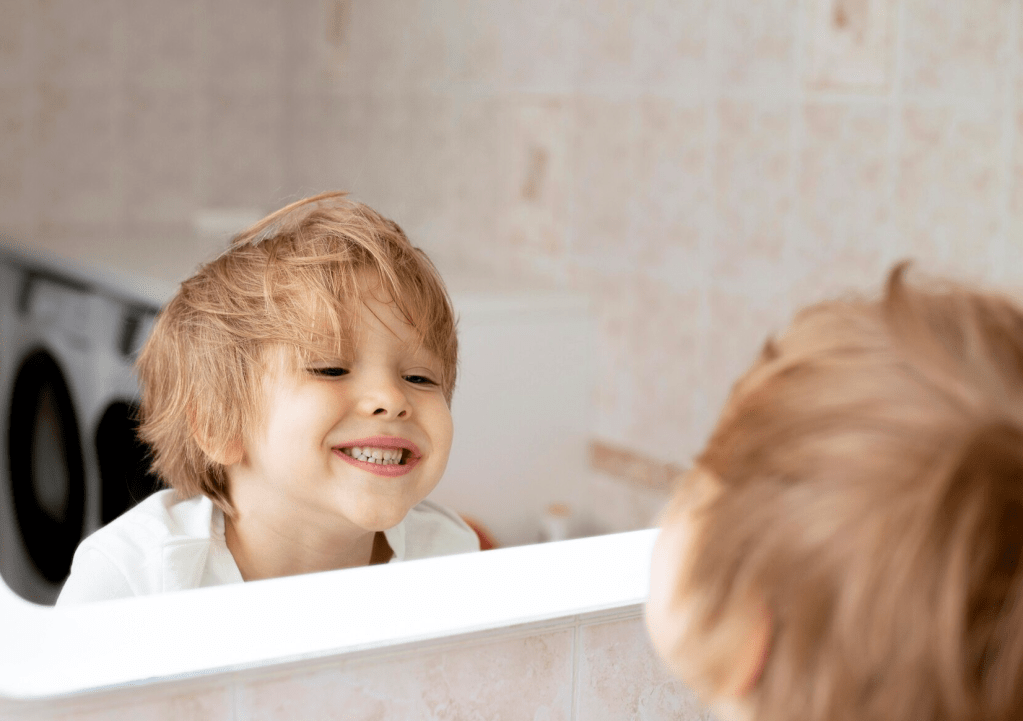
Montessori’s approach to toilet independence emphasizes understanding and bodily awareness. By allowing children to feel wet, preparing their environment, and encouraging independence, parents and guides can empower children on their journey to becoming toilet-independent. Trust in the child’s natural development and provide a supportive and nurturing atmosphere to make the transition a positive and empowering experience. Remember that toilet training is a process that requires patience, respect, and a deep understanding of a child’s needs and capabilities.

Creating a Nurturing Psychological Environment in Montessori

A fundamental aspect of Montessori education is the creation of a carefully crafted psychological environment that supports a child’s emotional, cognitive, and social growth. In today’s post, we will explore the key elements that make up the psychological environment of Montessori and discuss practical steps that parents and educators can take to incorporate these principles at home.

The Foundation of the Montessori Psychological Environment

  • Beauty and Independence: One of the fundamental principles of the Montessori psychological environment is that it should be beautiful and supportive of the child’s independence. The physical space should be well-organised, aesthetically pleasing, and designed to promote exploration and self-reliance. In your home, you can start by decluttering and organising your child’s play and learning areas, providing them with easy access to materials and tools they need.
  • Developmental Needs: The Montessori environment is designed to meet the developmental needs of the child. This means creating spaces and activities that align with a child’s developmental stage, allowing them to progress at their own pace. You can observe your child’s interests and abilities and adjust their environment accordingly.
  • Loving and Consistent People: In a Montessori environment, the adults are expected to be loving, kind, and consistent. It’s through their interactions with the child that respect is modelled. At home, strive to maintain a calm and respectful tone when communicating with your child. Offer them guidance and support while respecting their autonomy.
  • Freedom and Limits: The Montessori environment balances freedom and limits. Children are given the freedom to choose their activities, but there are also clear and consistent expectations. In your home, establish reasonable boundaries and explain them to your child. Ensure that consequences for breaking rules are fair and consistent.
  • Freedom of Choice and Responsibility: Children in Montessori are encouraged to have the freedom of choice and, with that, the responsibility for their choices. This teaches them valuable life skills and builds self-confidence. You can offer your child choices in daily routines, such as what to wear or what activity to do, and let them experience the consequences of their decisions.

Supporting Emotional Well-being in the Montessori Environment

There are many ways to support your child’s emotional well-being in the Montessori environment. Observing and listening to them is very important. Pay close attention to your child’s behaviour and emotions. Listen to their concerns and feelings, and validate their experiences. Moreover, parent and guides should also encourage independence. Give your child opportunities to do things for themselves, even if it means they might make mistakes. This fosters a sense of accomplishment and self-reliance. Additionally, you can involve your child in real tasks such as cooking, cleaning, or gardening, which can help them develop practical life skills and a sense of purpose. Lastly, understand that each child has their own natural rhythms and preferences. Respect these rhythms when planning their activities and routines.

In Montessori, the adult plays a crucial role in shaping the psychological environment. Adults should be guides, not just instructors, observing the child’s needs and interests, and providing appropriate materials and guidance. They set the tone for the environment with their behaviour and attitudes, modelling respect, empathy, and a love of learning. the Montessori psychological environment is a carefully curated space that fosters independence, self-discipline, and emotional well-being. By incorporating Montessori principles into your home, you can create a nurturing environment that supports your child’s overall development. Remember that the role of the adult is pivotal, as they set the tone and provide the guidance needed for the child to thrive in this unique learning environment.

Why Children Prefer to ‘Work’ Instead of ‘Play’ (and Why It’s Not What You Think!)

If you’ve ever come across the famous quote by Maria Montessori that goes, “The greatest sign of success for a teacher… is to be able to say, ‘The children are now working as if I did not exist,‘” you might have wondered why she used the term “work” instead of “play.” After all, childhood is often associated with carefree play and fun, right? 

In the Montessori method, “work” does not connote labor, chores, or boring tasks. Instead, it refers to a child’s earnest efforts to explore, discover, and learn about the world around them. Montessori believed that children have a natural inclination to engage in meaningful, purposeful activities, which she called “work.” This work is not only educational but also deeply satisfying for the child. 

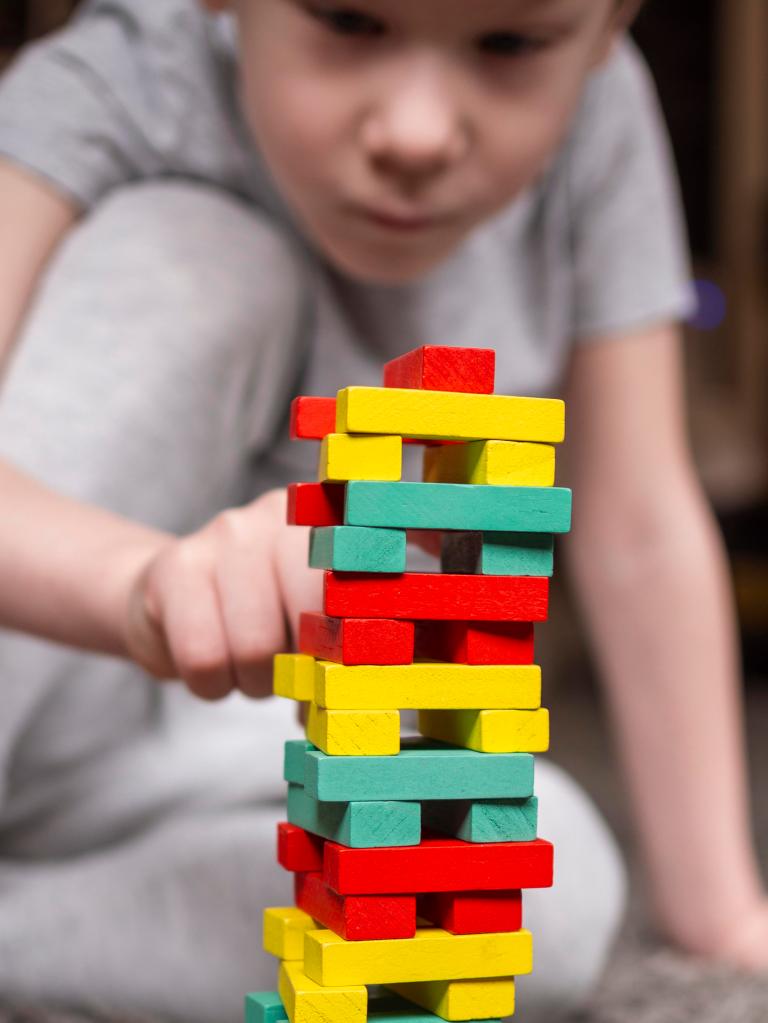
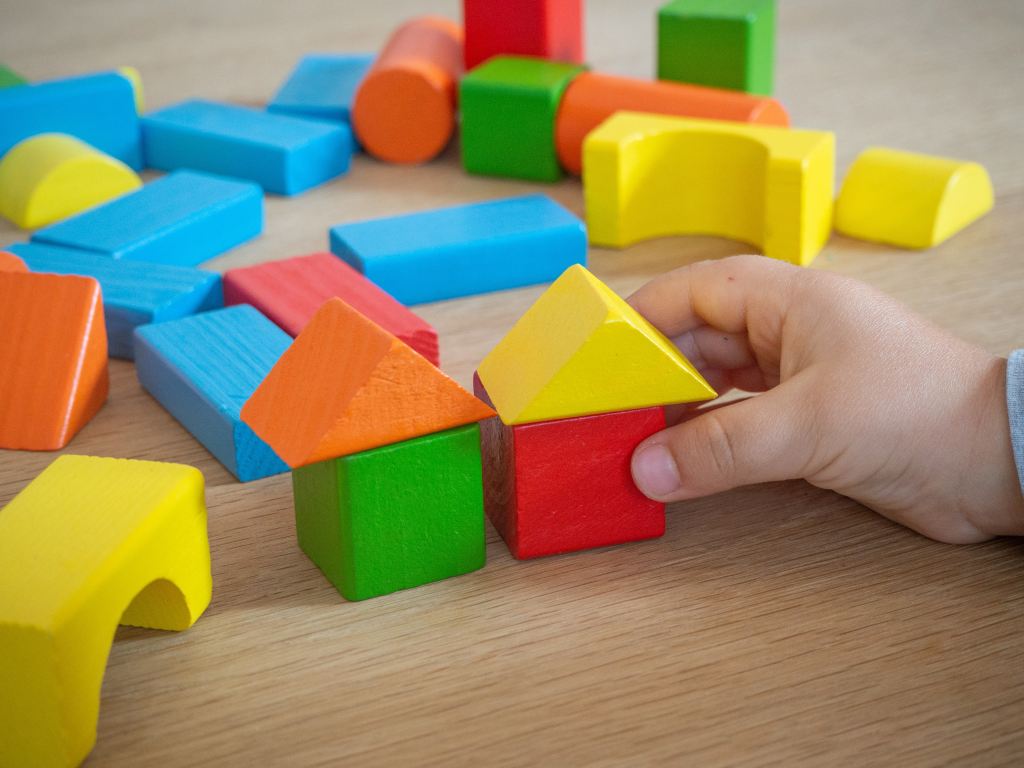
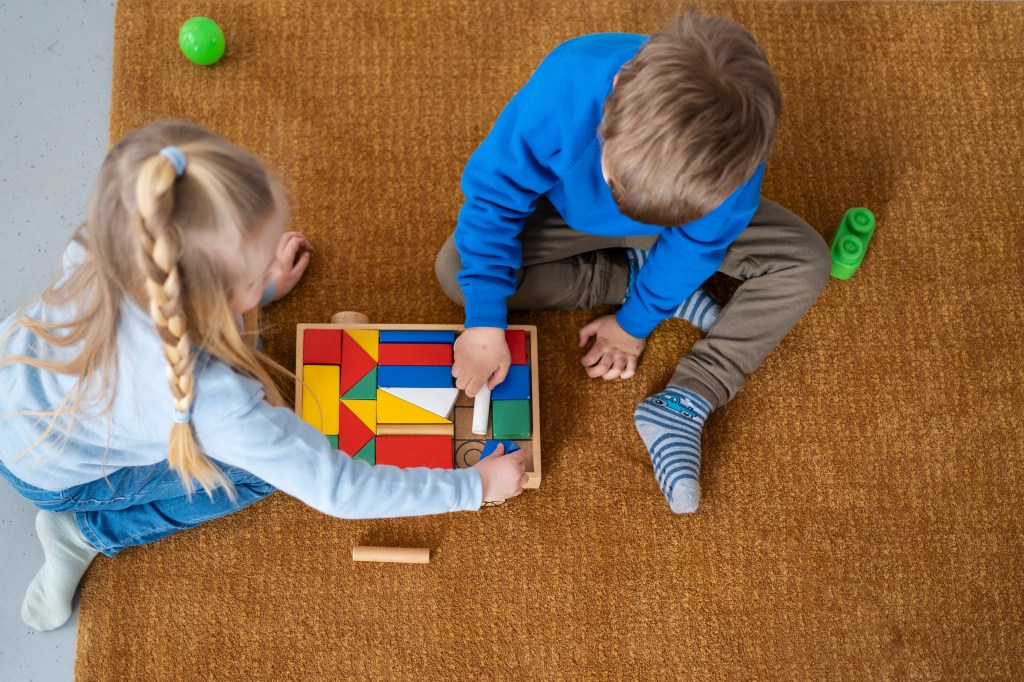
Children are like little sponges, soaking up knowledge from their surroundings. They’re curious and inquisitive, always seeking to make sense of the world they’re growing into. This natural curiosity drives them to actively seek out information and skills. In this context, “work” becomes the vehicle through which they gain knowledge, confidence, and independence. For instance, imagine a child stacking colorful wooden blocks to create a tower. To an observer, it may seem like play, but to the child, it’s a serious task. They’re learning about balance, geometry, and problem-solving. Every time they build a taller tower or change the design, they’re actively experimenting and learning. 

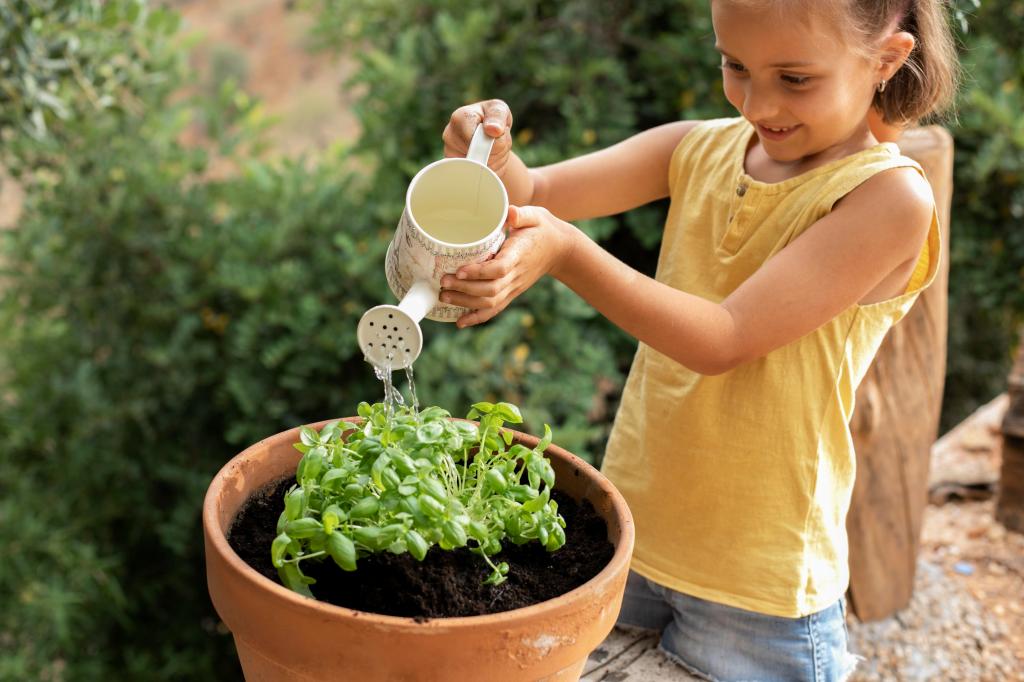
One of the key reasons children prefer “work” to “play” in Montessori’s view is the immense satisfaction they gain from mastering tasks and gaining new skills. For example, when a child waters the classroom plants, they are “working” according to Montessori. This task teaches them responsibility, biology, and the satisfaction of nurturing life. They actively observe the plants’ growth, adapt their watering techniques, and develop a sense of care for the environment. When children engage in these meaningful activities, they experience a deep sense of accomplishment. This sense of achievement, no matter how small, boosts their self-esteem and motivates them to keep exploring and learning. 

In a sense, Montessori believed that “work” was not just about education. It was about nurturing a child’s sense of purpose and autonomy. In this way, children actively shape their own learning experiences, setting the foundation for a lifelong love of learning. So, “work” in this context is not a burden but a joyous and fulfilling process where children eagerly explore, discover, and master the world around them.

Playtime Potpourri: A Montessori Guide to Managing Play with Different-Aged Children and Personalities

Are you a parent trying to navigate the delightful chaos of playtime with kids of varying ages and personalities? Fear not, for Montessori principles can be your compass in this playful adventure! In Montessori classrooms, children often participate in multi-age groupings, fostering a rich learning environment. But what can we learn from this approach, and how can it benefit your child’s playtime at home and on the playground?

Montessori Magic in Multi-Age Groupings

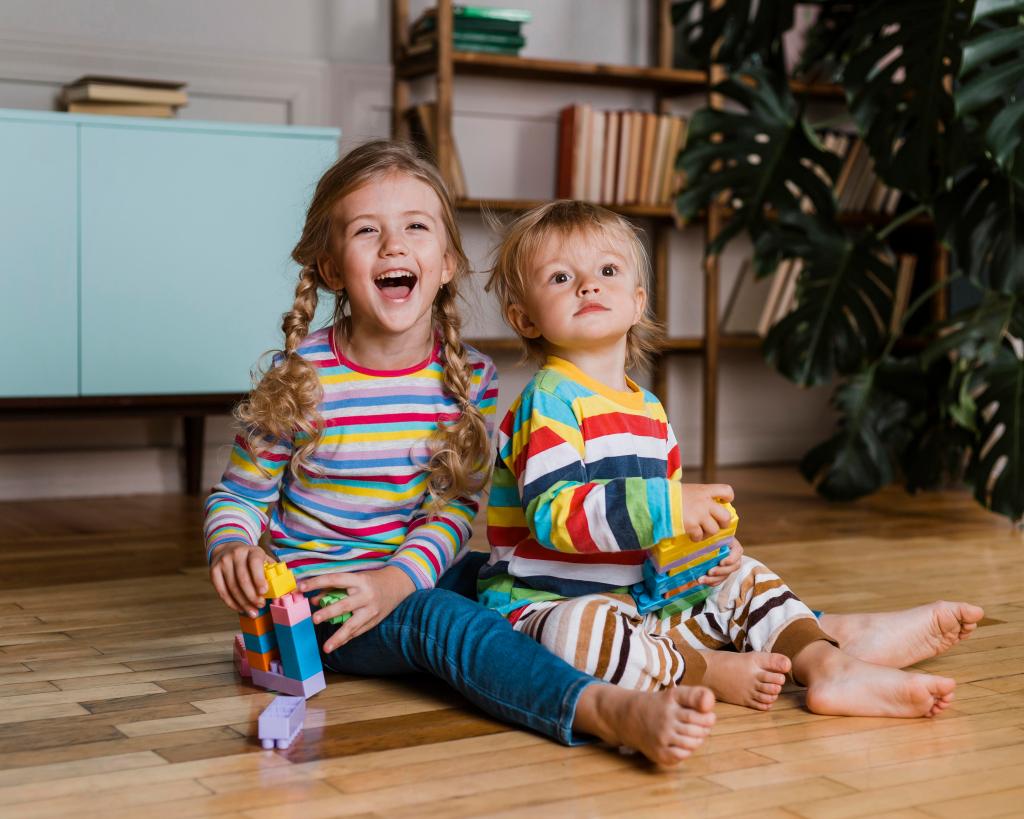
Montessori education is renowned for embracing multi-age classrooms. The reason behind this approach lies in Dr. Maria Montessori’s belief that children have different developmental stages and progress at their own pace. Similarly, children have distinct personalities and interests. The mixed-age environment allows children to learn from and alongside each other, fostering cooperation and empathy.

Now, let’s sprinkle some Montessori magic onto your playtime management with kids of different ages and personalities.

Create a Montessori-Style Play Environment: Start by designing a play area that encourages independent exploration and discovery. Montessori classrooms have child-sized furniture and materials, promoting self-directed learning. Mimic this at home by setting up stations that cater to your children’s varying ages and interests.

For instance, you can have a “toddler zone” with soft toys and puzzles, a “creative corner” with art supplies, and a “quiet reading nook” with age-appropriate books. This setup will ensure that every child finds something that piques their curiosity.

Foster a Culture of Collaboration: In a Montessori classroom, older children often mentor their younger peers. Encourage this same spirit of cooperation at home. Assign tasks or activities that require teamwork. Whether it’s building a puzzle, baking cookies, or gardening, it’s essential that your children learn to work together and learn from each other.

Respect Their Individual Interests: Montessori promotes following a child’s interests. If one child is into science experiments and another loves art, let them explore their passions individually. This not only respects their individuality but also teaches them patience and understanding as they observe each other’s unique journeys.

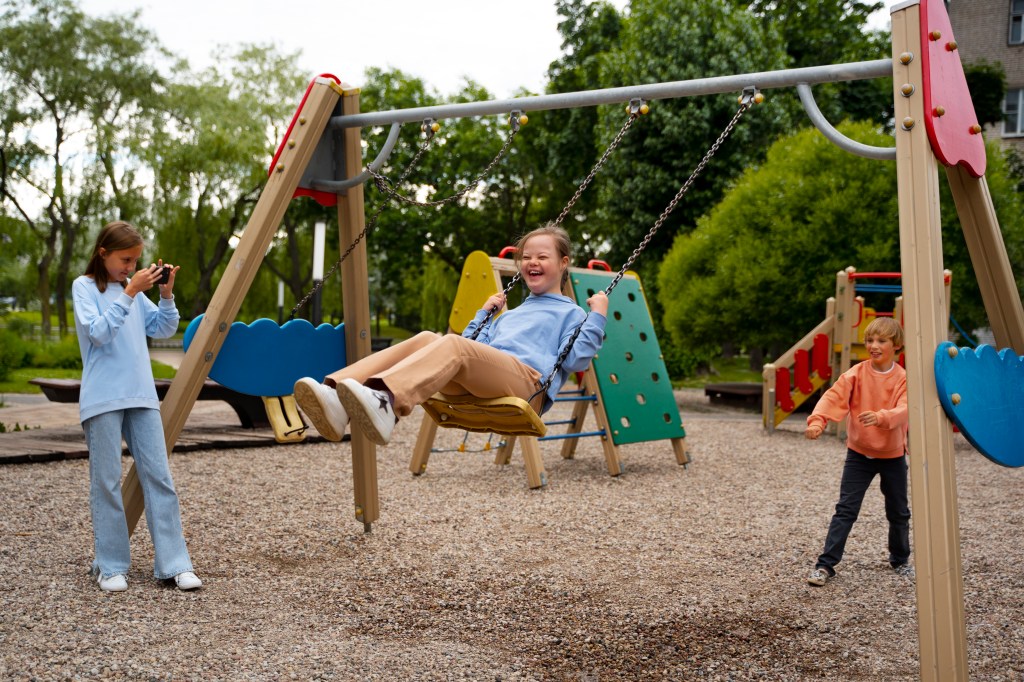
Plan Mixed-Age Playdates: When your child interacts with kids of different ages outside the home, it’s an excellent opportunity for social growth. Arrange mixed-age playdates at the park, and watch the magic unfold. Younger children often look up to their older counterparts, learning new games and skills. Meanwhile, older kids develop leadership and empathy as they guide the younger ones.

Embrace Open-Ended Toys: Montessori classrooms are filled with open-ended toys that encourage imaginative play. Consider introducing toys like building blocks, art supplies, or dress-up costumes that can be adapted to suit your children’s ages and interests. These toys will become a bridge between their diverse personalities, allowing them to create together.

Celebrate Differences: Lastly, teach your children that differences are to be celebrated. Just as Montessori classrooms embrace diversity, show your kids that their unique personalities and those of their playmates are what make each play session an adventure worth having.

The Montessori approach to multi-age groupings is a treasure trove of insights for managing playtime with children of varying ages and personalities. It emphasizes independence, collaboration, and embracing individuality. By creating a Montessori-inspired play environment and encouraging your children to learn from each other, you can make playtime not just fun but also an educational journey. So, let the Montessori magic infuse your playtime and watch your kids flourish together in harmony!

The Wonder of Wooden Toys: Maria Montessori’s Wisdom

In the fast-paced digital age, where screens and plastic toys often dominate children’s playtime, there’s a timeless charm to wooden toys that continues to captivate young minds. Wooden toys appreciated for their simplicity, durability, and educational value have been a staple in children’s playrooms for generations. One of the most significant proponents of wooden toys was Maria Montessori, the renowned Italian educator and founder of the Montessori method of education.

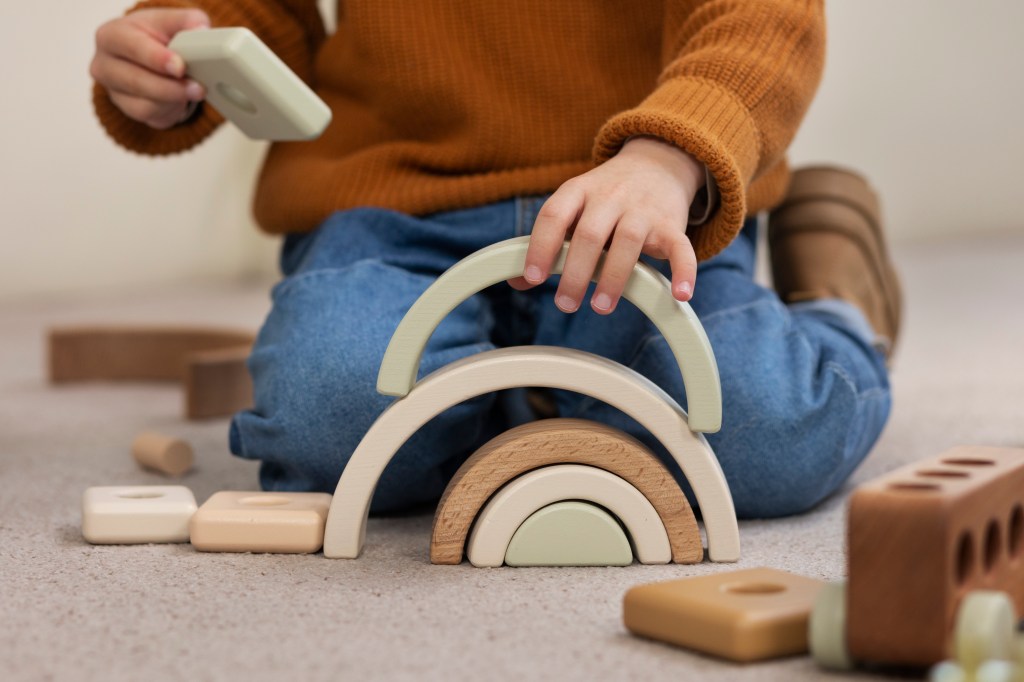
Maria Montessori believed that wooden toys aligned with her philosophy of allowing children to learn at their own pace and in a self-directed manner. Montessori believed that children should be surrounded by natural materials in their learning environment. Wooden toys fit this criterion perfectly, as they are made from sustainably sourced wood and free from harmful chemicals. Montessori toys are intentionally designed to be simple, without excessive decorations or noise. This allows children to focus on the toy’s intrinsic qualities and encourages mindfulness in play. Additionally, many Montessori wooden toys are self-correcting, meaning that if a child makes a mistake while using them, they can easily identify and rectify it. This promotes independence and a sense of accomplishment.

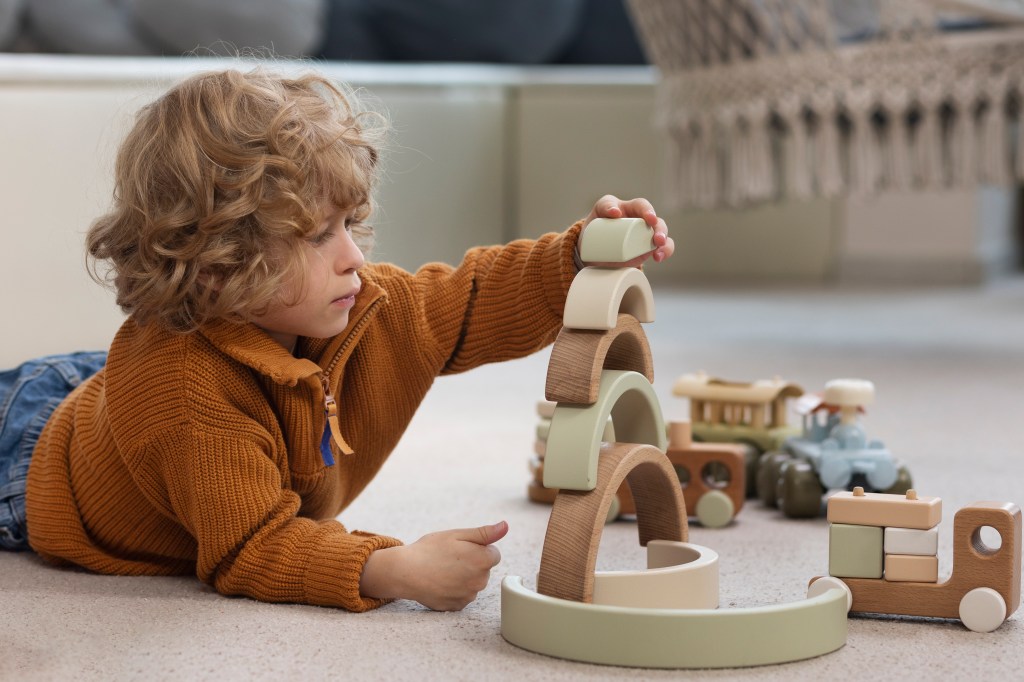
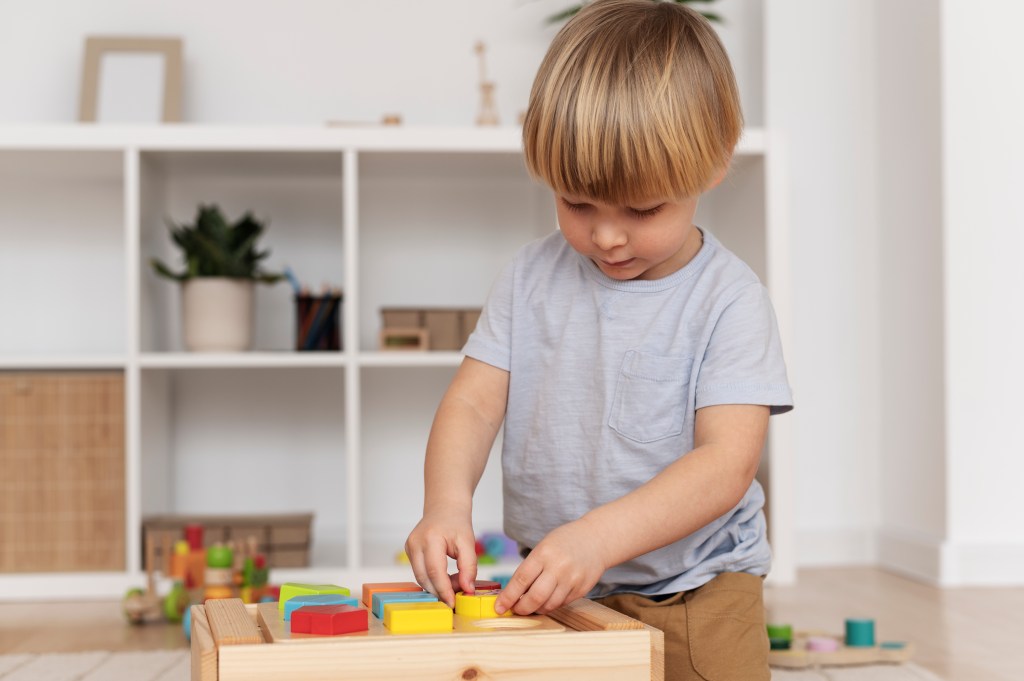
There are also many benefits of using toys made of wood. Wooden toys engage multiple senses, providing a tactile experience that promotes sensory development. The natural texture and weight of wood offer a pleasing sensory contrast to plastic toys. Children can feel the grain, weight, and temperature of the wood, enhancing their sensory perception. Another benefit is durability. Wooden toys are built to last. Unlike their plastic counterparts, wooden toys withstand rough handling and can be passed down through generations. This durability not only saves money but also reduces environmental waste. Addiotionally, wooden toys often lack the bells, whistles, and predetermined functions of electronic toys. This encourages open-ended play, allowing children to use their creativity and imagination to bring the toys to life. Wooden blocks, for example, can become anything from castles to bridges in a child’s mind. Finally, Manipulating wooden toys, such as puzzles, stackable blocks, or shape sorters, hones fine motor skills. The precision required to place a block on top of another or fit a puzzle piece helps develop hand-eye coordination and dexterity.

In a world filled with flashy, disposable toys, the enduring appeal of wooden toys is a testament to their timeless value in child development. Maria Montessori’s endorsement of these toys aligns with her holistic approach to education, emphasizing the importance of simplicity, independence, and the child’s innate desire to explore and learn. By providing wooden toys to children, we can help them grow, develop, and embark on a journey of self-discovery through meaningful, purposeful “work.”

Montessori Toy Shelf 101: Promoting Independence and Development in Children

The Montessori method of education has long been celebrated for its emphasis on fostering independence and self-directed learning in children. One of the essential components of a Montessori classroom or home environment is the Montessori toy shelf. This low, child-sized shelf is carefully designed to support a child’s development, encourage orderliness, and promote independence.

Design of the Montessori Toy Shelf

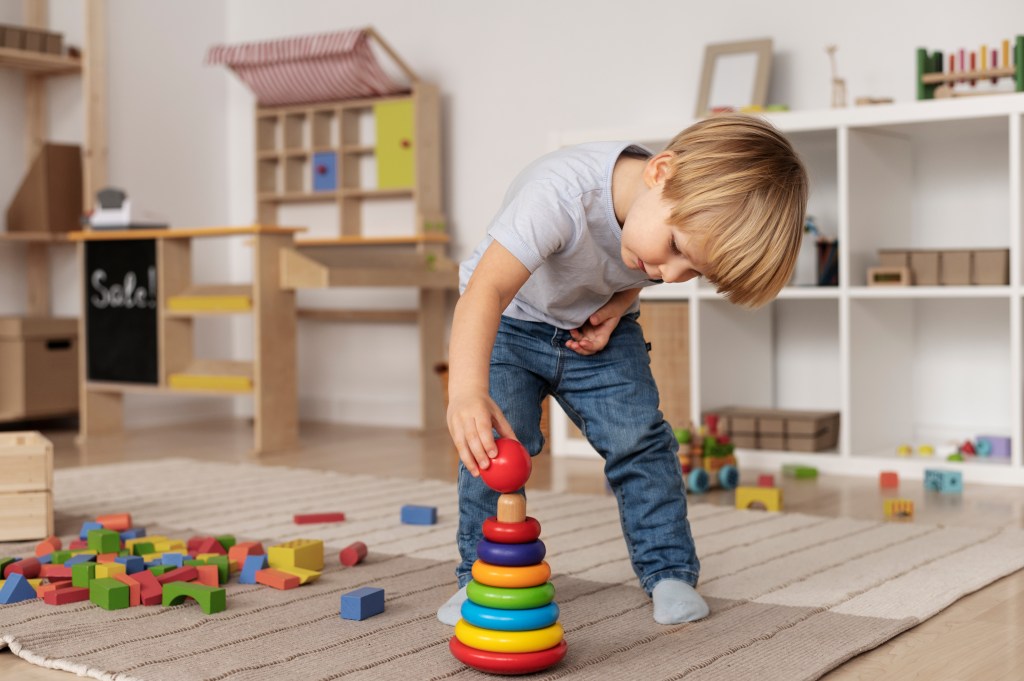
The Montessori toy shelf is typically a low, open-front shelf that is intentionally designed to be at the child’s height. It is made from natural, durable materials such as wood, which aligns with Montessori’s emphasis on connecting children to the natural world. The open design allows children to see and access their toys easily without the need for adult assistance. This child-centric design promotes several key benefits such as independence, accessibility and orderliness.

Placing the shelf at the child’s height empowers them to select and return toys independently. This process encourages self-reliance and decision-making. Additionally, children can access their toys without relying on adults to reach high shelves or open containers. This accessibility fosters a sense of ownership and responsibility of their belongings. The open-front design encourages the little ones to take one acticity at a time and return it to its designated spot promoting order and tidiness – a central Montessori principle.

Toy Selection and Developmental Aids

On the Montessori toy shelf, guides carefully curate a selection of toys and developmental aids that align with a child’s current developmental stage and interests. These items may include:

Sensorial materials: Such as wooden puzzles, sorting and stacking toys, and textured objects to stimulate sensory exploration.

Practical life activities: Like pouring, scooping, or buttoning exercises to develop fine motor skills and independence in everyday tasks.

Language and literacy materials: Including books, vocabulary cards, and phonetic games to promote language development.

Mathematical materials: Such as counting beads, number cards, and simple math manipulatives for early math skills.

Art and creativity materials: Like drawing supplies, craft materials, and musical instruments to encourage creativity.

The key here is that the toys and aids are chosen according to the child’s current needs and interests, fostering engagement and skill development.

Tips for Displaying Toys on a Montessori Shelf at Home

It’s important to periodically rotate toys on the shelf to keep the child engaged. Pay attention to your child’s interests and development. Don´t be afraid to introduce new challenges and learning opportunities. You can always adjust the toys and aids on the shelf accordingly. Remember that when introducing a new activity, you should show your child how to use the materials, and then encourage them to explore and experiment independently. While choice is important, limit the number of toys on the shelf to promote focused play and to avoid feeling overwhelmed. Finally, always allow your little one to spend as much time as they need with each activity without rushing or interrupting their concentration.

The “Why” Phase: A Toddler’s Curious Adventure

Let’s diving deep into the enchanting world of toddlers and their relentless “why” phase. You know the one we’re talking about—when every answer you give seems to be met with an enthusiastic chorus of “Why?” This phase can be both endearing and perplexing, so let’s explore why toddlers ask “why” so many times and how the Montessori approach can help parents navigate this fascinating stage of development.

Why, Oh Why, Do They Keep Asking?

Toddlers, those little explorers of the world, are natural-born scientists. They’re driven by an insatiable curiosity and a thirst for knowledge. The “why” phase typically kicks in around the age of two, marking a significant milestone in their cognitive development. So, why do they keep asking “why”?

Toddlers are on a mission to make sense of their surroundings. “Why” is their way of seeking clarity and understanding about how the world works. It’s like they’re little detectives, trying to solve the grand puzzle of life. Asking “why” is also an excellent way for toddlers to practice their language skills. It’s an opportunity for them to explore new words and phrases, enhance their vocabulary, and refine their communication abilities. Additionally, when your toddler asks “why,” they’re inviting you to engage with them. It’s a chance to strengthen your emotional connection as they rely on your knowledge and guidance.

How the Montessori Approach Sheds Light

Maria Montessori, the visionary educator, recognised the importance of nurturing a child’s natural curiosity. Montessori encourages independence and respects a child’s natural drive to explore and learn. When your toddler asks “why,” see it as a sign of their emerging autonomy, and honour it by providing thoughtful responses. Montessori also emphasises on the importance of observing a child’s interests and providing an environment that fosters exploration. Ensure your home is filled with age-appropriate materials and experiences to quench their thirst for knowledge. Lastly, instead of offering quick answers, guide your toddler to discover answers on their own. Encourage them to explore, experiment, and investigate the “whys” through hands-on experiences. It’s a big opportunity to encourage their critical thinking!

Responding to the Never-Ending “Whys”

So, how should parents respond to their toddler’s incessant “why” questions? Take a moment to give a clear, concise, and accurate response. Even if it feels repetitive, it’s essential for their understanding. When possible, turn their “why” into a hands-on learning experience. If they ask why leaves fall, go outside and explore the changing seasons together. You can also flip the script and ask them why they think something works the way it does. This encourages critical thinking and deeper exploration. 

Remember, this phase won’t last forever. Stay patient and empathetic, and cherish these moments of curiosity—they’re a beautiful part of your child’s development. So, the next time your toddler asks “why” for the hundredth time, take a deep breath and embark on a fascinating adventure of discovery together! 

Nurturing Development: Montessori Learning Materials for 6 to 9-Month-Old Babies

The Montessori approach to early childhood education is a time-tested method that focuses on fostering independence, exploration, and self-discovery in young minds. The first year of a baby’s life is an incredibly formative period, and from 6 to 9 months old, infants are actively developing crucial cognitive, motor, and sensory skills. In this blog post, we’ll explore the skills that emerge during this stage and explore a variety of Montessori inspired learning materials and activities that can support your baby’s growth and curiosity.

Skills Development: 6 to 9 Months Old:

Between 6 to 9 months old, babies are rapidly progressing through various developmental milestones. Some of the key skills emerging during this period include:

  1. Fine Motor Skills: Infants start to develop their pincer grasp, allowing them to pick up small objects between their thumb and forefinger.
  2. Sensory Exploration: Babies engage with their environment through touch, taste, sight, and sound, enhancing their sensory awareness.
  3. Gross Motor Skills: Rolling over, sitting with support, and perhaps even attempting to crawl are all signs of increasing mobility.
  4. Language Development: Babbling and responding to sounds and gestures mark one of the early stages of communication.
  5. Object Permanence: Babies begin to understand that objects continue to exist even when they can’t be seen, an essential cognitive milestone.

Montessori Learning Materials:

To nurture these skills and provide a supportive environment for your 6 to 9-month-old, consider introducing the following Montessori-inspired learning materials:

  1. Sensory Balls: Soft, textured balls encourage tactile exploration and help develop grasp and hand-eye coordination.
  2. Mirror Play: A baby-safe mirror hung at their eye level engages their visual senses and supports their developing self-awareness.
  3. Grasping Toys: Wooden or silicone toys that can be grasped and manipulated help refine fine motor skills and the pincer grasp.
  4. Rattles and Shakers: These introduce auditory stimulation and teach cause-and-effect relationships.
  5. Texture Books: Soft fabric books with different textures provide a sensory-rich experience during reading time.

Montessori Activities for 6 to 9 Months Old:

Engaging with your baby in Montessori inspired activities can be both enriching and joyful. Here are some ideas:

  1. Treasure Basket: Create a basket with safe household objects of different textures, shapes, and sizes for your baby to explore.
  2. Exploring Textures: Lay out different textured fabrics or materials for your baby to touch and feel.
  3. Nature Observation: Spend time outdoors and let your baby experience the sights, sounds, and textures of nature.
  4. Music and Movement: Play soft music and gently move your baby’s limbs to the rhythm to encourage gross motor skills.
  5. Peek-a-Boo: Use a soft cloth to play peek-a-boo, helping your baby understand object permanence.
  6. Mirror Play: Sit with your baby in front of a mirror and make funny faces, encouraging social interaction and self-recognition.

The Montessori approach is a beautiful way to support your baby’s holistic development during the crucial 6 to 9-month stage. By providing carefully selected learning materials and engaging in thoughtful activities, you’re laying the foundation for a lifetime of curiosity, independence, and exploration. Remember, every baby is unique, so observe and adapt these activities to best suit your little one’s interests and needs. Enjoy this precious time of discovery and growth together!

Nurturing Young Minds: Exploring Montessori Sensitive Periods

Every child is a unique and curious individual, constantly absorbing the world around them. Maria Montessori, a visionary educator, recognized that children go through distinct phases of heightened sensitivity and receptiveness to specific aspects of their environment. These magical windows of opportunity, known as Montessori sensitive periods, offer parents and educators incredible insights into how children learn and develop. In this blog post, we’ll delve into the fascinating world of Montessori sensitive periods, exploring what they are, why they matter, and how you can support your child’s growth during these critical stages.

Understanding Montessori Sensitive Periods

Montessori sensitive periods are specific time frames in a child’s life when they are particularly attuned to acquiring particular skills or characteristics. During these periods, children exhibit an intense focus and enthusiasm for specific activities that aid their development. These periods are not limited to a strict timeline; rather, they vary for each child and can range from a few weeks to several months.

Key Sensitive Periods

  1. Language: From 7 months (in the uterus) to around six years old, children are highly sensitive to language. They absorb words, sounds, and grammatical structures with ease. This is a prime time to introduce multiple languages and rich vocabulary.
  2. Order: Around ages zero to three, children seek order and routine in their environment. Providing organized spaces and consistent routines can satisfy this sensitive period and foster a sense of security.
  3. Movement: Between birth and four years old, children are driven to refine their motor skills. Activities like crawling, walking, and fine motor tasks support their physical development.
  4. Small Objects: From around zero to three years old, children are fascinated by small objects and details. Offering manipulative toys and engaging activities can aid in developing their fine motor skills and concentration.
  5. Social Interaction: Typically occurring between two and four years old, this period focuses on social development. Children become interested in playing with peers and imitating adult behaviors.
  6. Sensory Exploration: From birth to around six years old, children are highly sensitive to sensory experiences. Stimulate their senses through activities involving touch, smell, taste, sight, and sound.
  7. Writing and Reading: Between ages three and six, children become interested in writing and reading. Providing access to age-appropriate writing tools and reading materials can nurture these skills.

Supporting Your Child’s Sensitive Periods

  • Observation: Pay close attention to your child’s interests and behaviors. Observe what activities captivate their attention and offer them opportunities to explore and engage.
  • Prepared Environment: Create an environment that caters to your child’s sensitive period. Provide age-appropriate materials and activities that encourage exploration and learning.
  • Patience and Freedom: Allow your child the freedom to choose activities that interest them. Be patient and avoid interrupting their focused exploration.
  • Provide Guidance: Offer gentle guidance and support when needed. Show your child how to use materials, but let them discover and experiment on their own.
  • Flexibility: Sensitive periods can overlap, and children may revisit certain periods. Be flexible and adjust your approach as your child’s interests and needs evolve.

Understanding and embracing Montessori sensitive periods can profoundly impact your child’s learning and development journey. By recognizing and nurturing these periods, you can provide a supportive environment that encourages natural curiosity, exploration, and skill acquisition. Each sensitive period is a unique opportunity to guide your child’s growth and create a strong foundation for a lifetime of learning. So, as you observe your child’s interests and behaviors, remember that you’re witnessing the magic of sensitive periods unfolding before your eyes.