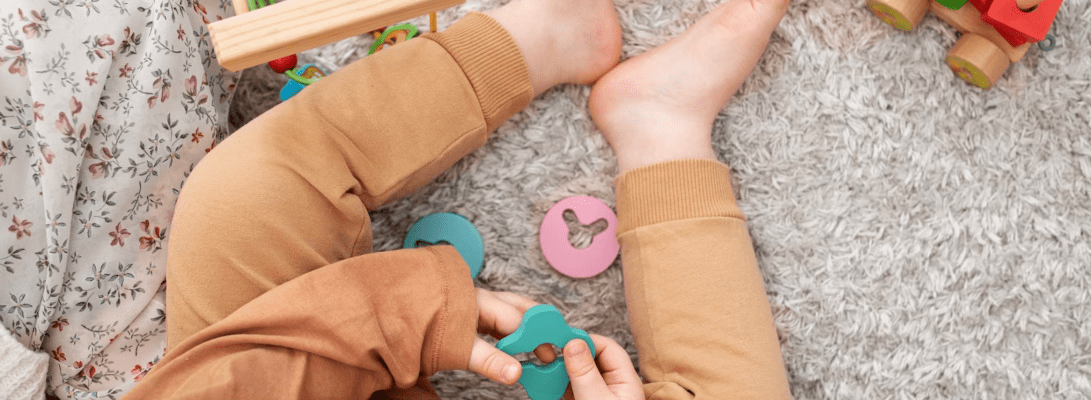
The purpose of sensorial activities is to help children sharpen their senses, absorb abstract information, and classify their environment while using hands-on materials. These activities help the child to think for themselves using a systematic approach
According to Montessori, sensory development starts at birth. The child learns about his surroundings by using his senses. He then starts to comprehend his surroundings as a result of this investigation. The child is a “sensorial explorer” in Montessori’s eyes. The Sensorial area in a Montessori classroom focuses on lessons and activities that help develop the five senses: tactile, visual, auditory, olfactory and gustatory.
Here are 5 easy sensorial activities to do with your child:
Sound cylinders
This activity will help the little ones in enhancing their auditory sense. Sound Cylinders are cylindrical containers that contain a variety of materials that will produce multiple sounds varying from soft to loud. It improves children’s ability to recognize differences and variations in sound.
Pink Tower
The iconic Pink Tower consists of ten wooden pink cubes that increase in size by one cubic centimeter each block. By highlighting disparities in dimension, this activity will improve the child’s visual perception, fine motor skills and sense of order. This deceptively straightforward Montessori practice also has multiple goals ranging from introducing mathematical, volume and cubing ideas to really complex objectives such as the introduction to the decimal system and pre-algebra work.
Knobbed Cylinders
This activity has a control of error built into the material, so apart from the ability to explore the senses of touch and sight, it also encourages independent play. It is presented in a straightforward manner from easiest to most difficult. It has different variations ranging from height and diameter. They are mostly intended to teach kids how to visually distinguish between different dimensions. However, as the little ones improve this skill, they can start doing it with their hands as well.
Discovery Basket
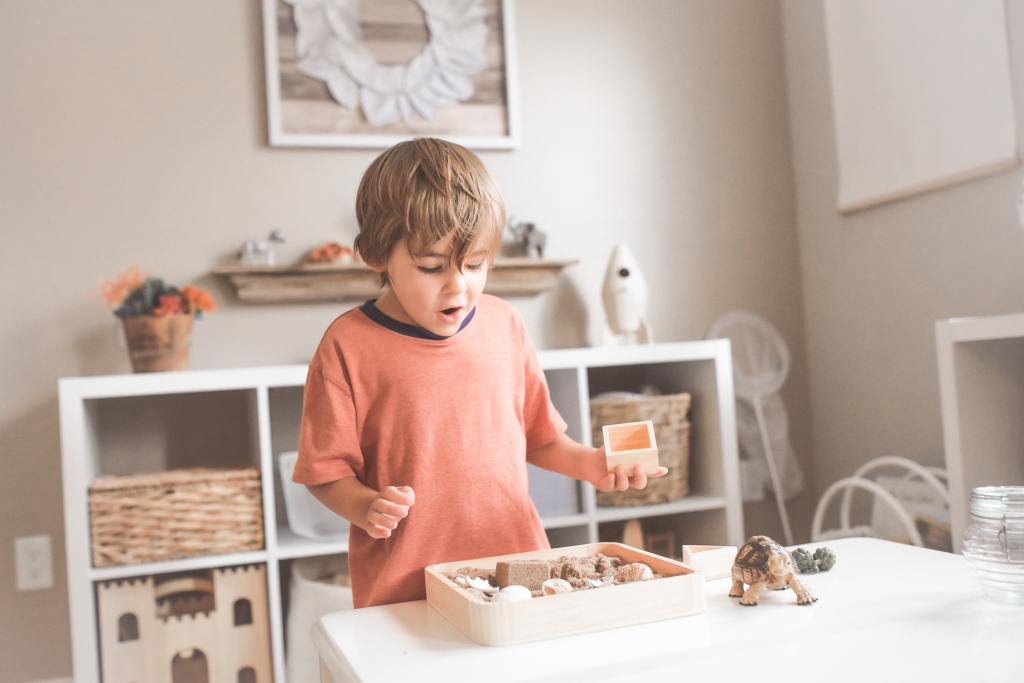
Consider placing many intriguing, everyday items in a basket for your toddler to discover. It will help enhance the sense of touch. A discovery basket can be filled with almost anything, including fabric samples, small mirrors, lavender satchels, seashells, metal whisks, and napkin rings. For young children, exploring these common materials may be quite exciting since it gives them first hand exposure to a variety of interesting everyday items.
Smelling Bottles
It might sound silly, but presenting bottles with different scents will heighten the child’s sense of smell. It will also help the child’s olfactory sense develop as they become more familiar with the many scents that already exist in his environment. Make sure to place each scent in two bottles, so that the child is challenged to a matching game of smells. There are so many scents you can choose from, but start with 2 or 3 at a time such as vanilla, peppermint, and lemon extracts.
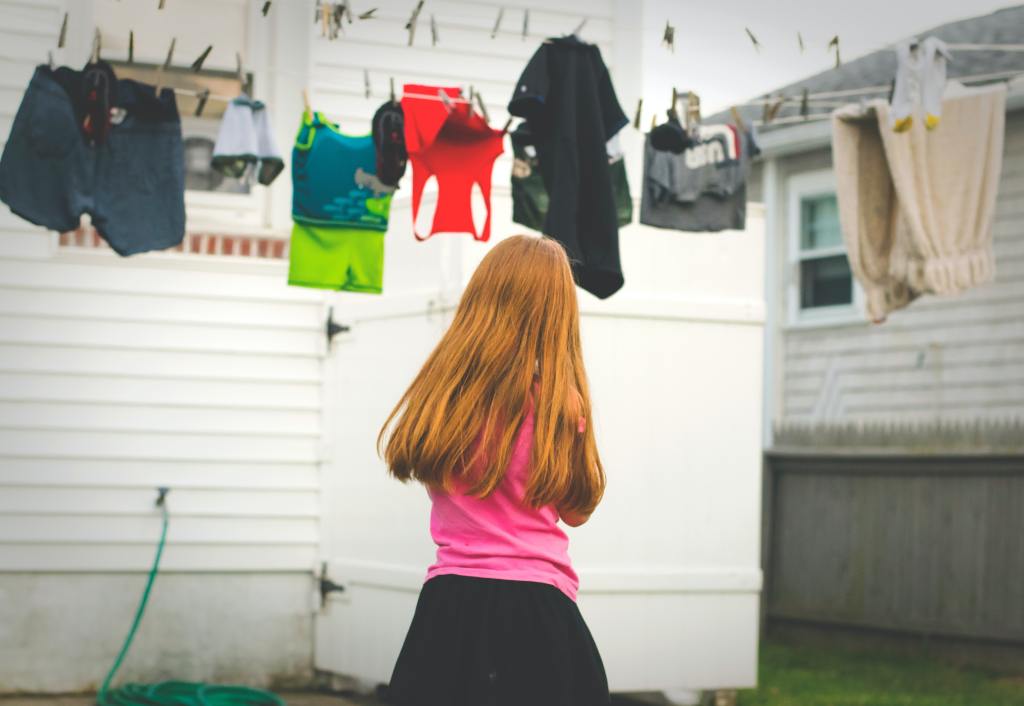
Activities of everyday life are involved in all of the aspects of life. The three areas you will hear about in practical life are care for self, which includes lessons on learning to get dressed, getting their own snack and washing their hands. Grace and courtesy is the area of which social skills are developed. Children are encouraged to say please and thank you, learn how to take turns and listen to others. Finally, care for the environment is the area children learn to clean up after themselves by doing activities like putting toys away, cleaning dishes and hanging clothes. Practical life activities allow children to prepare themselves for everyday activities that can be part of anyone’s routine. We’ve compiled a list of 6 activities, so dive right in and remember to have fun!
Preparing a snack
You can start them at a young age by encouraging your child to peel off bananas and tangerines. As their hand coordination improves, they can move on to tasks like adding and mixing ingredients, squeezing orange juice, and spreading crackers or toast. Preparing their own snack will encourage them to be more independent. It will also help to develop concentration through order and sequence.
Dusting surfaces
The direct purpose of this activity is to encourage children to care for their environment. They will become aware of the accumulation of dust and help to dust independently. It will also allow them to work on their coordination and carefulness in movements.
Greeting a person
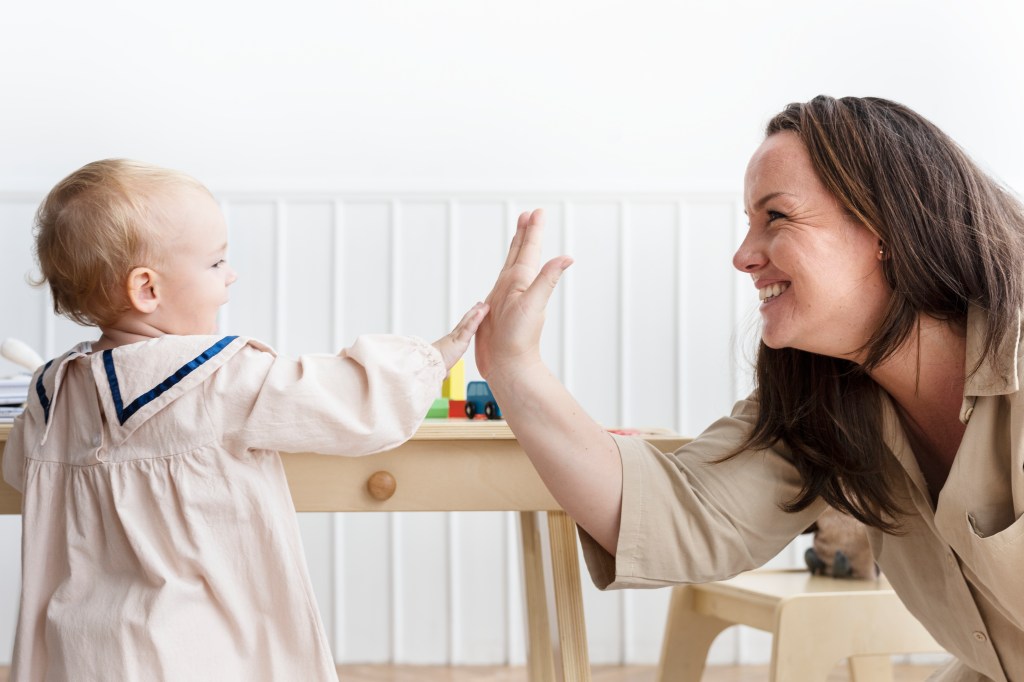
Many parents overlook the importance of encouraging their child to greet others. This can help with developing social skills and learning to be more independent. It also emphasizes respect and care by creating special moments and practicing eye contact. Humans are social creatures and greeting people will have a big effect on how they portrait us.
Carrying a pitcher or a glass cup
Looking at the water level as you are walking can be a difficult task for little ones. This will help with your child’s concentration and coordination. It will also help them develop a sense of precision, and care in handling objects.
Mopping the floor
Mopping is a great way for toddlers to learn to gain control over their bodies and their movements. Apart from encouraging them to be physically active, it also encourages them to care for the environment. The little ones will probably not be able to mop properly, but allowing them to have their turn whenever they express interest means they will have a chance to practice and improve.
Watering plants
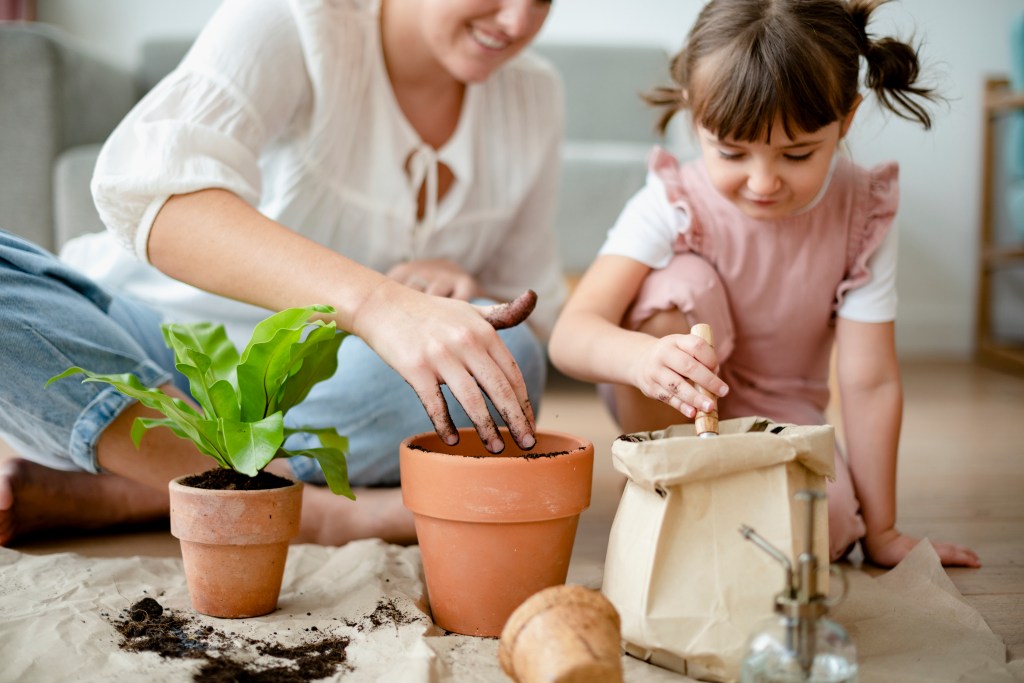
Taking care of plants is a great way to teach children to care, to love and to have empathy for other living things. Exploring with soil and water will help connect your child with nature especially during days they can’t go outside. Apart from watering, you can also invite your kids to plant seeds, fertilize and repot your plants. Having a child size watering can and shovel can be quite useful for little hands.
Invite them to join you. Show them how to do the activity. Set them up for success!
Little ones love to be around their parents and imitate everything they do around the house. It helps develop a sense of being and belonging. Many adults find chores a dull and boring activity, so don’t discourage your child when they express interest in practical life activities. The simplest chores can actually be exciting and educational activities your kid will be happy to be involved in. In the long term, these activities will develop and improve their gross and fine motor skills, problem solving skills , and establish a strong sense of self.
When introducing a new concept or vocabulary and demonstrating the purpose of a material, guides should use the Three Period Lesson. These periods offer a slower and easier learning process for the child. It is an interactive holistic learning technique where the child absorbs new knowledge through language and hands-on discovery and exploration.
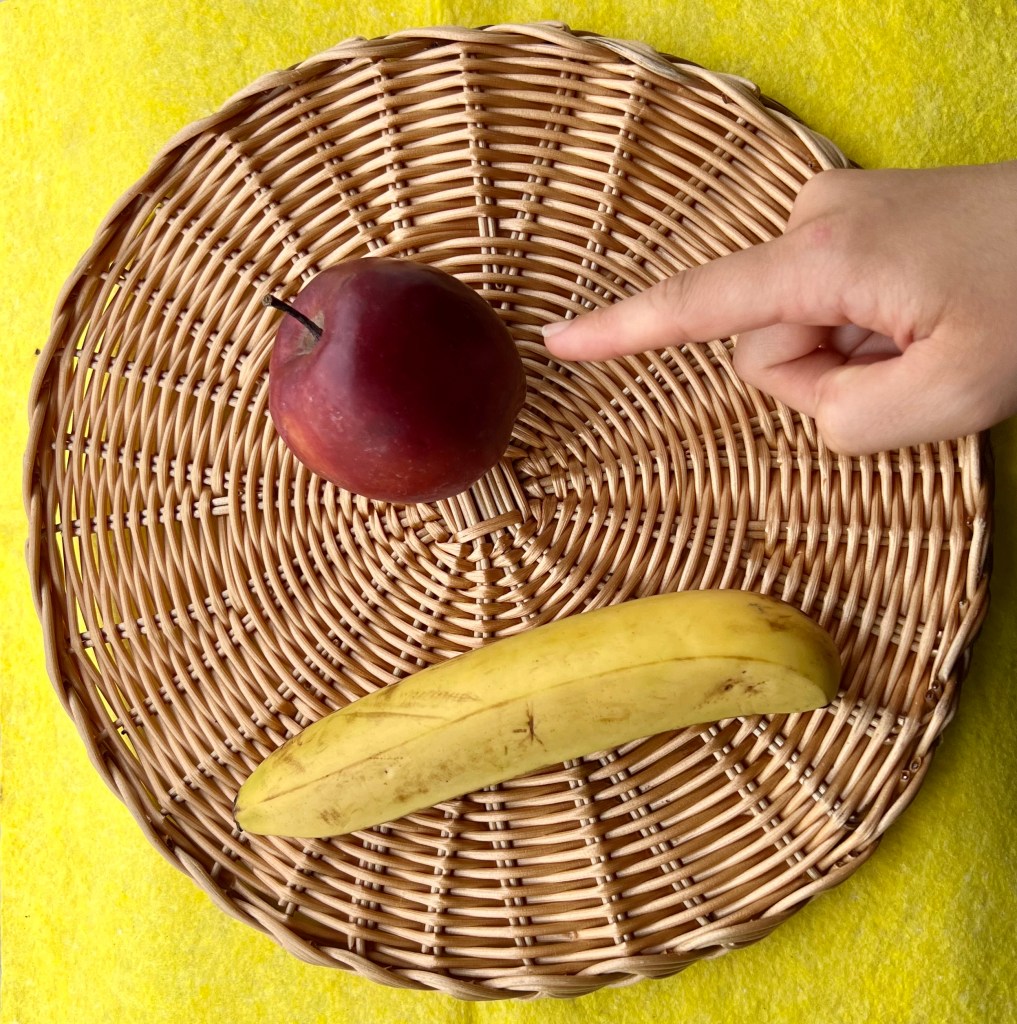
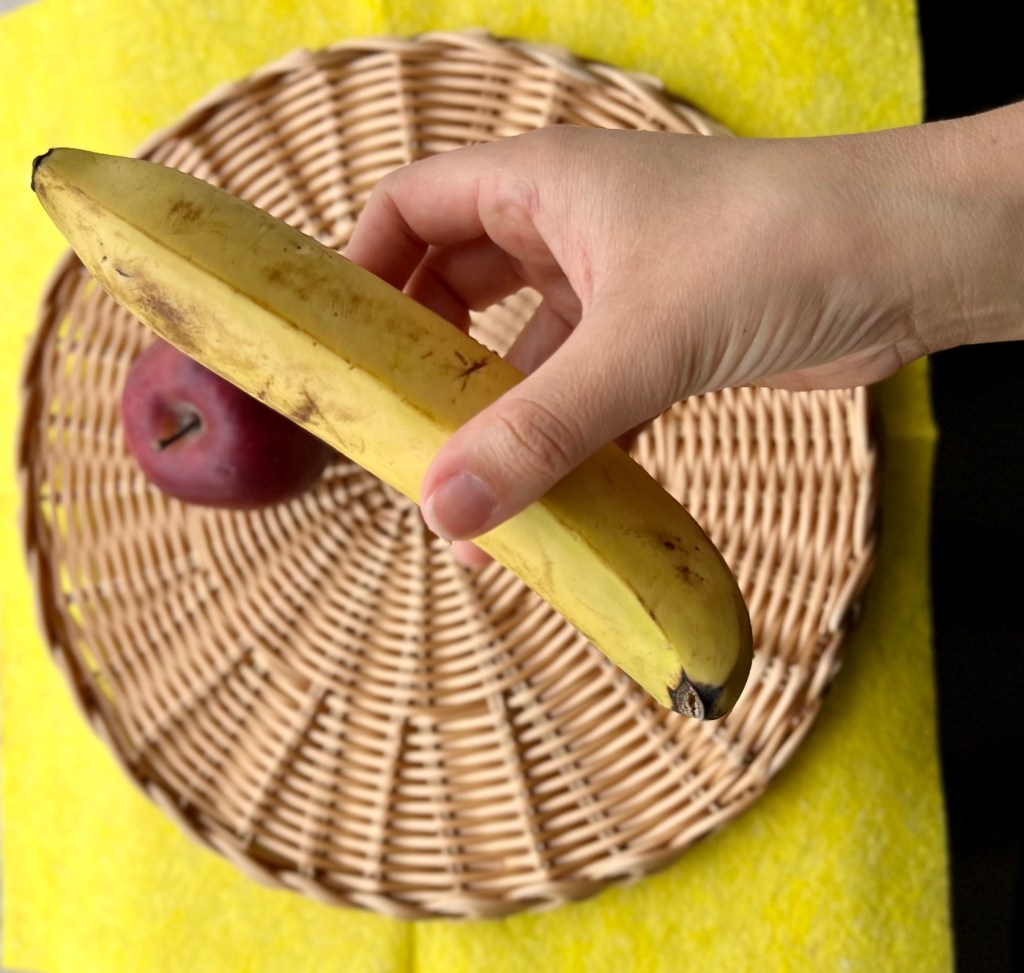
The First Period is called the Introductory Period. This is when the adult introduces the items to the child. You may introduce the items by saying “This is a banana” and “This is an apple”. It’s important to use simple language and concrete material. Grab an actual banana and apple and place them on a surface. Constantly repeating the objects’ names and allowing the child to touch the objects are important characteristics of this period.
The Learning Period is the Second Period. It consists of repetitions and touching the objects while adults are repeatedly saying the objects’ names. Identifying the items will be important because at this point, the child needs to be able to show you which objects you are asking about. Following our example, you may ask the child: “Can you show me the apple?”. Don’t look at the items when asking. Allow your child plenty of time to think about your question and point to the right object. The Second Period tends to be the period that takes the longest as there’s a lot of opportunity for discovery and creativity. However, the length of each period will vary from child to child because each child’s needs are different. Once you see the child is able to do it quickly without hesitation and error, then you will know they are ready to move to the next period.
The Third Period or the Verification Period, is when the child has reached the level of expressive language or that transition into the primary environment as a preparation. The child will now have the understanding and the vocabulary to be able to verbalize that back to you. You may pick up the item you are going to inquire about and ask “What is this ?”. The child should be able to answer “That is a banana!”
The Three-Period Lesson is going to empower your child through experiencing the concept, the material, the vocabulary, and the principal of each subject they are working on. If your child makes a mistake, you can always go back to the previous period. It’s important not to correct and not to lecture them. You want to help your child develop a growth as opposed to a fixed mindset. Mistakes are an opportunity for learning and growth. Remember that common tagline we often hear within the Montessori Method: “Follow the Child”. Dr Montessori points out that “the child will show us what they need to do, what they need to develop in themselves and what area they need to be challenged in. The aim of the children who persevere in their work with an object is certainly not to ‘learn’; they are drawn to it by the needs of their inner life, which must be recognized and developed by its means.”
Language is the ability that two or more people have to encode ideas into a signaling system for communication. There are many forms of communication such as signing, singing and speaking. There are also two agreements that must be made for language to exist and to be effective. The first is that a sequence of sounds represents a certain object or an event. The second is that words are always used in a certain grammatical order for a sentence to have meaning, but these vary within groups of people. These two agreements exist in all cultures regardless of their language.
Language has many characteristics such as it being creative and in continuous development. Interestingly, language is not limited to thoughts. For instance, infants are drawn on past experiences they have had on past objects. Additionally, language is fundamentally social. We use it to be part of our family and our social group. It is a very unique human aspect. It’s through language that we communicate with our species, express our ideas and reflect our culture.
There is a universally recognized structure to the acquisition of language and so all children follow the same acquisition time frame. The first stage is called Prelinguistic. It begins at 7 months in the uterus and continues until the first time the child speaks its first real word. Sound and movement help with the sense apparatus. At 3 months old, the child becomes interested in the human voice. At around 2-4 months, the baby starts to cooing, gurgling, and making long vowel sounds. At 6 months, infants start making Automatic Babbling. They take delight in practicing all these different sounds, even making sounds that are not human. Their cords start lengthening, and they are able to make consonant sounds such as papa, dada, mama, etc.
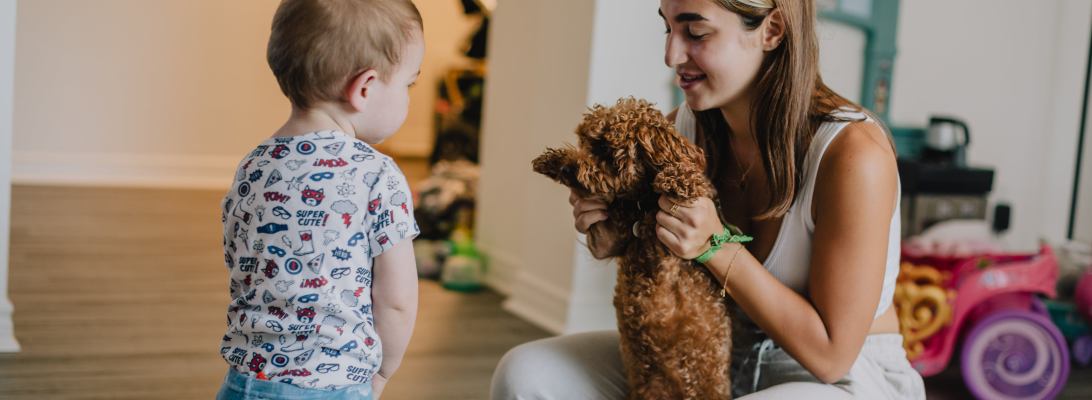
This developmental milestone will lead onto Selective Babbling which is when the infant stops making sounds that they do not hear in the environment. Between 6-7 months of age, babies start linking words to their meaning. Lallation takes place around 8 months, which is when children start embedding words into what they say by replacing difficult sounds for easier sounds that they can make. At around 11 months, children go into the Echolalia phase. I remember looking after kids who went through this phase. They just loved repeating or imitating my words. I would ask “Do you want to go to the park?” and they would say “park” instead of yes or no. Finally, at 12-18 months Linguistics occurs which refers to the child’s explosion of vocabulary acquisition. This “word spurt” that children experience can be very fun and rewarding.
As a child caretaker, it can be quite overwhelming to attend to all these developmental milestones as they are happening. Therefore, it’s important to practice and improve your observation skills whilst linking the child to the environment and removing obstacles. Adults can also support language development by breastfeeding, reading books, speaking slowly and clearly, using real words, allowing children to choose their own words, making constant attempts to listen and understand them, engaging children in daily conversations through rich vocabulary and many more. Overall, the adult’s role is to aid children in their development by understanding their needs and acting appropriately.
Cooking fresh meals daily for your children can be a tiring chore to accomplish. If you are on a busy schedule, this can be a real time-consuming task. However, freezing their meals is a good way to save time and money, and it also contributes to reducing food waste. Here are some tips and tricks on how to freeze your leftover baby food.
Place leftovers into single serving amounts
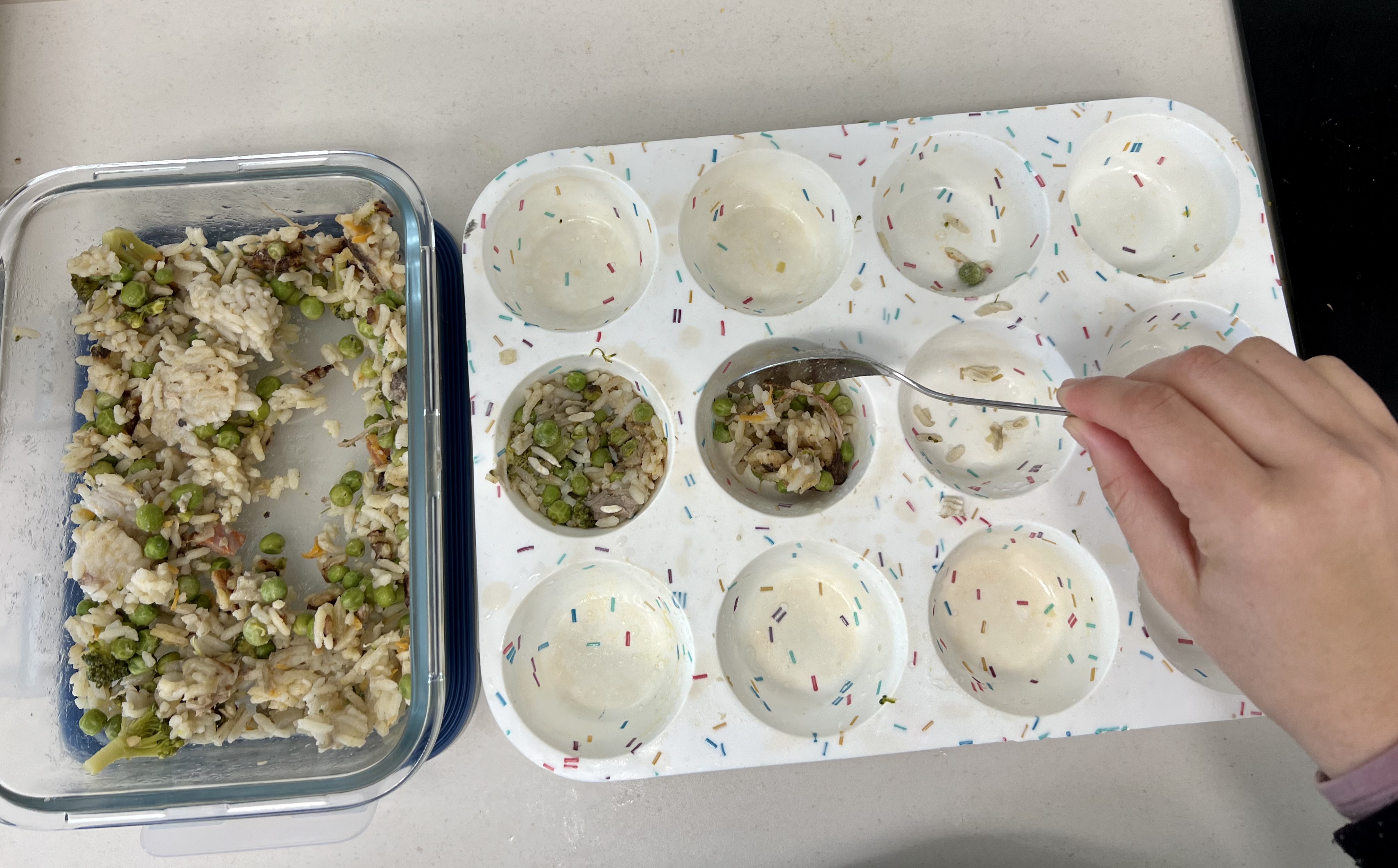
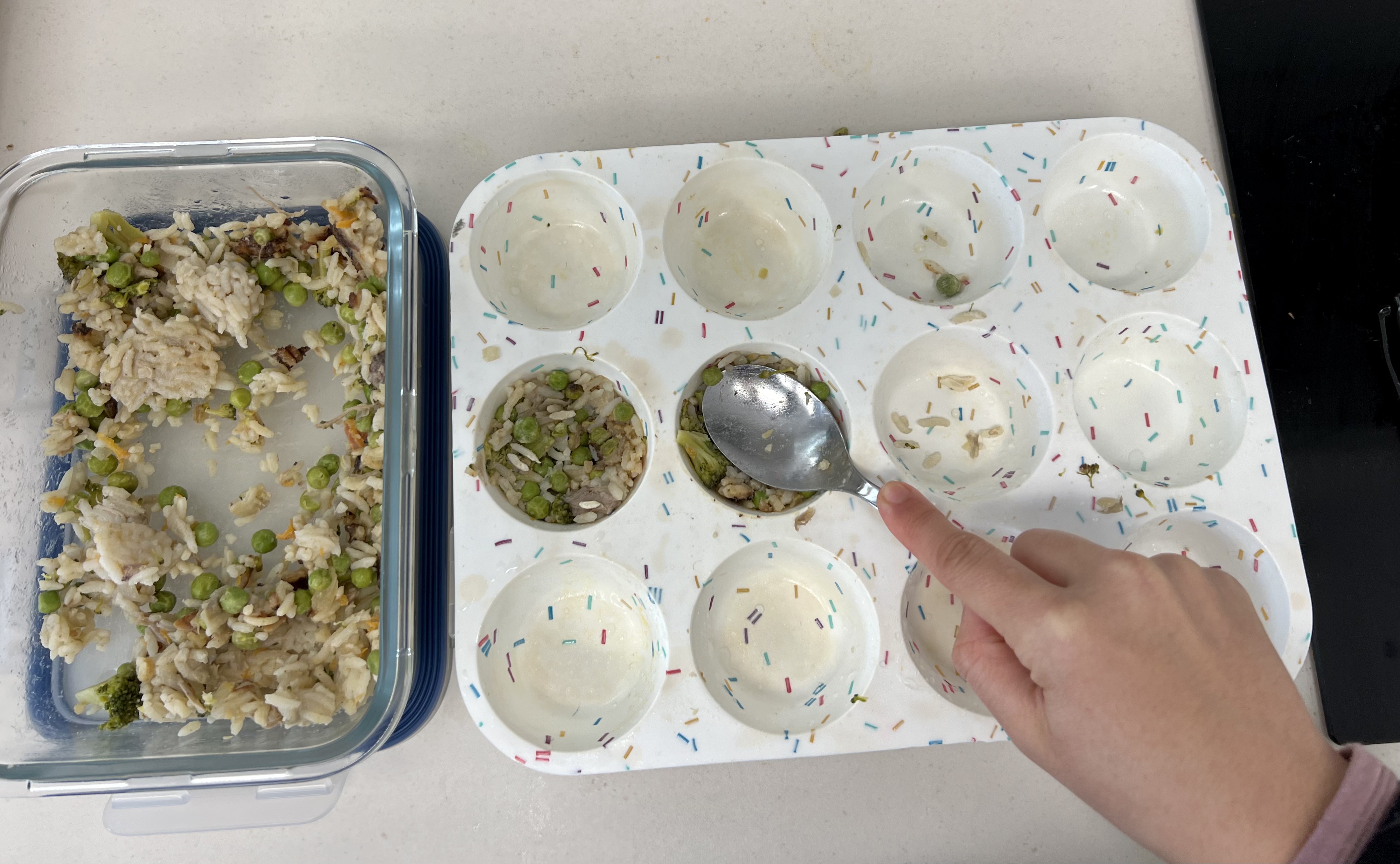
Once the leftovers have cooled down, distribute them into individual portions. You can use different kitchen gadgets to accomplish this part such as an ice cube tray or a muffin tin. Don’t forget to sanitize and clean thoroughly before spooning the food directly into each tray.
Transfer to a container
When you notice the cubes have solidified, remove them from the tray.
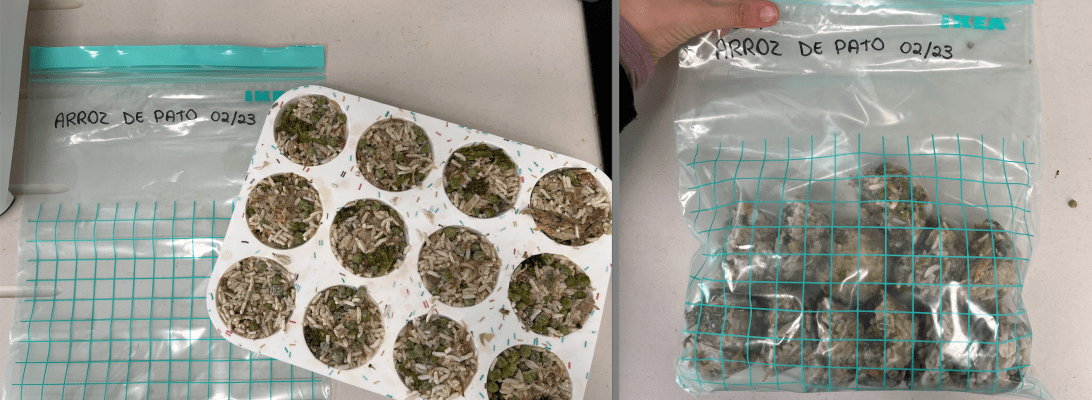
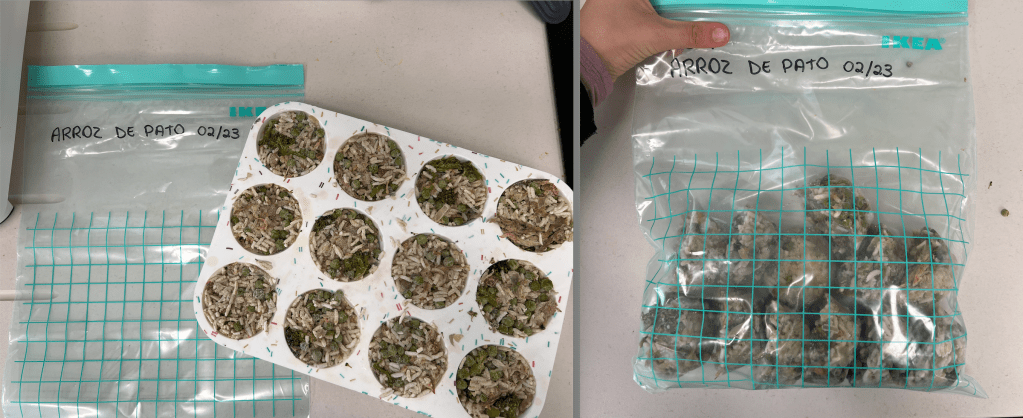
Once you pop them out of the tray, move them to a reusable freezer bag or container. If you notice that as the food cools down, frost or ice crystals are forming on your food, use a freezer-safe and moisture-proof container next time.
Labeling
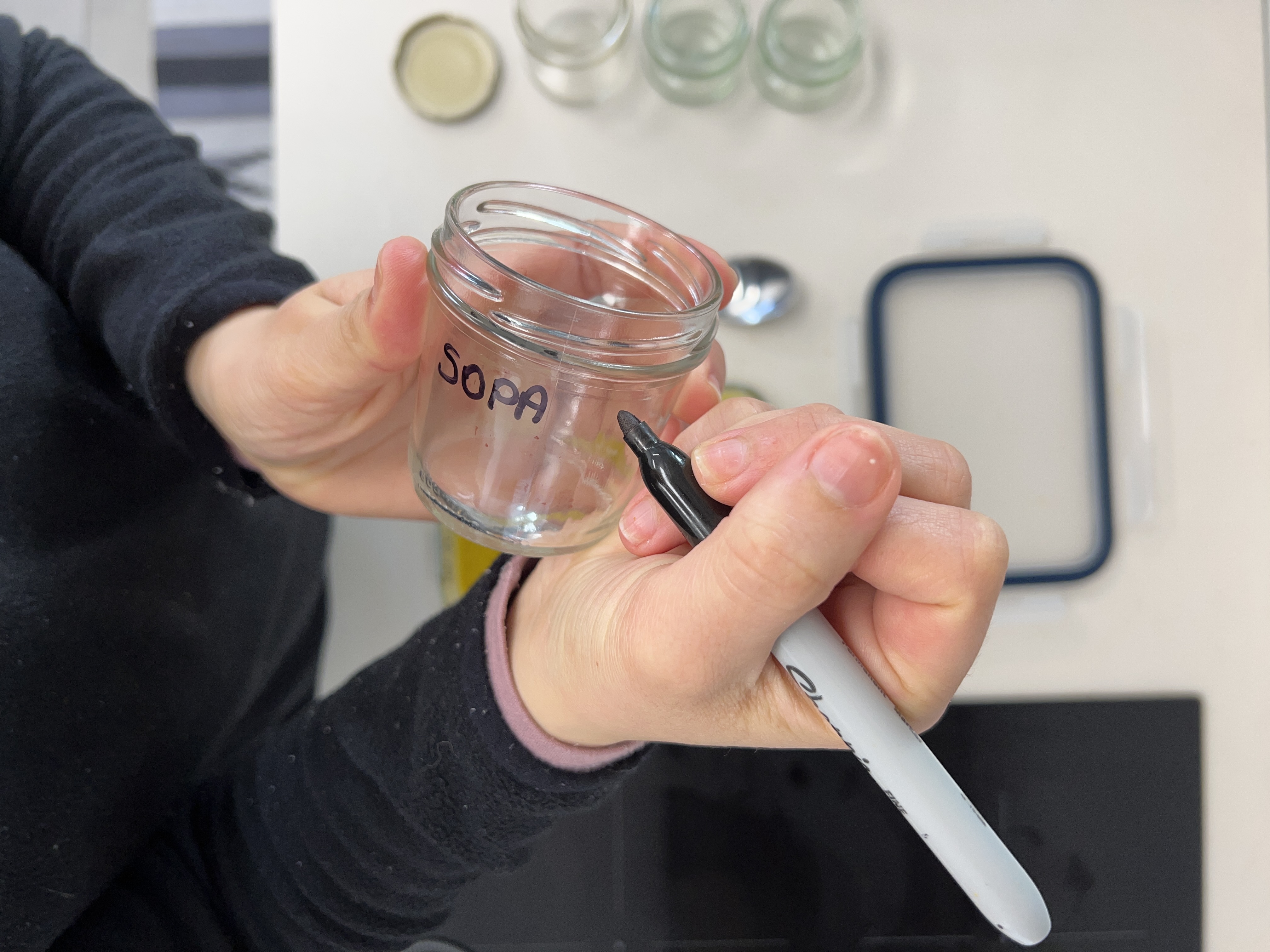
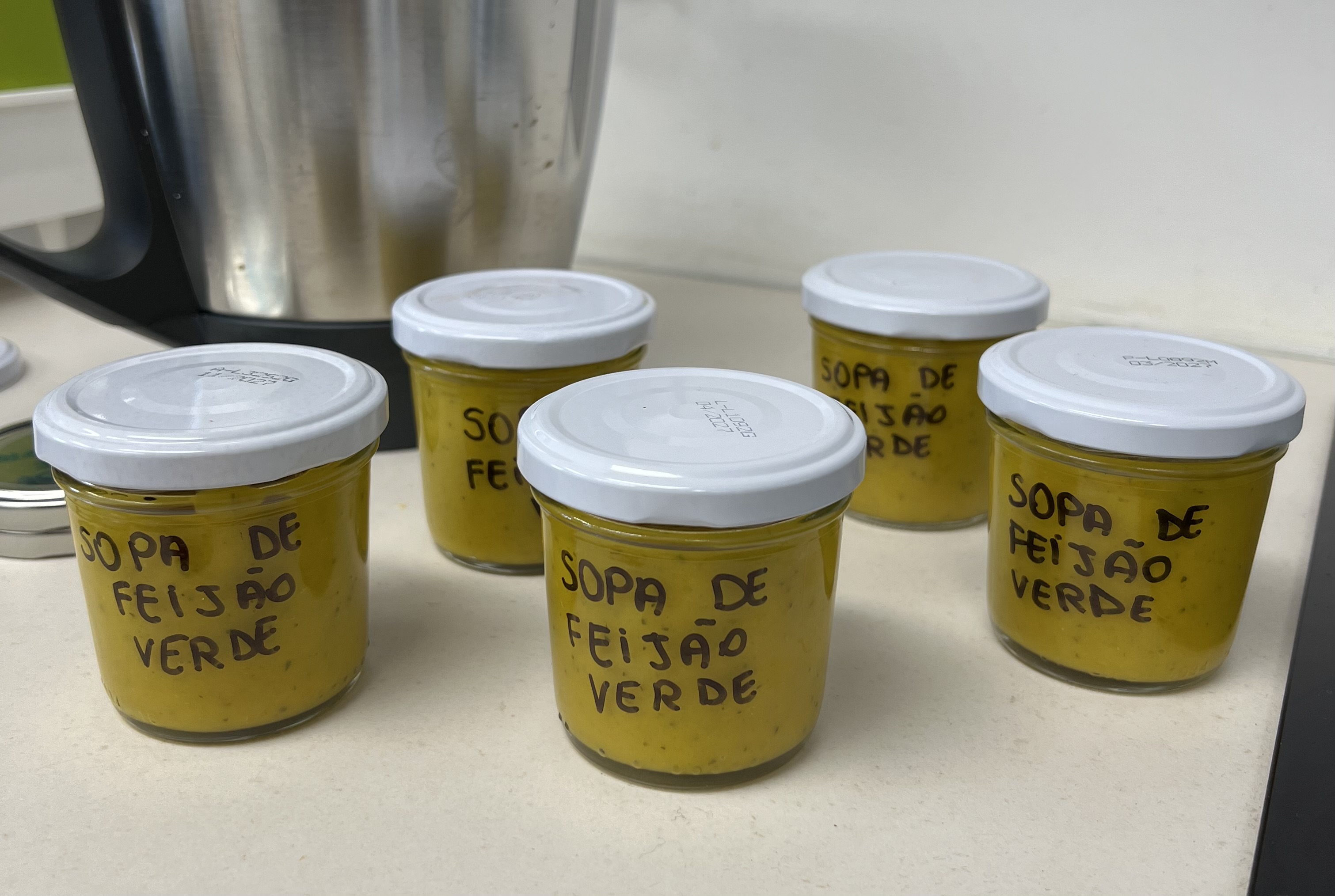
Storing food in freezer bags without labeling them can easily become a future frozen mystery. Use a permanent marker to label each food with the name and date you made it. If you have a child or family member with diet restrictions, this would be a good place to write which ingredients the meal contains.
Pro tip: In order to reuse the containers, have a small alcohol spray bottle handy to erase what you write.
Ideally, you’d remove baby food from the freezer and leave it in the fridge overnight to gradually defrost. This will help preserve the nutrients. However, if you are in a hurry, you can definitely use the microwave. Just keep an eye out and taste the food before offering it to the baby. Sometimes the edge gets too hot and the center remains frozen.
Having a variety of frozen meals in your freezer will allow you to always be able to whip up an easy meal in no time! Let us know when you try it and bon appétit!
The first few years of life is when the little ones learn how the world works. Their mind works like a sponge, soaking up huge amounts of information from her environment. They absorb everything around them, effortlessly, continuously, and indiscriminately. Personal hygiene is part of these discoveries and should be encouraged by parents and everyone around them. Here are some tips and tricks to successfully introduce and encourage hygiene habits at a young age.
Set an example
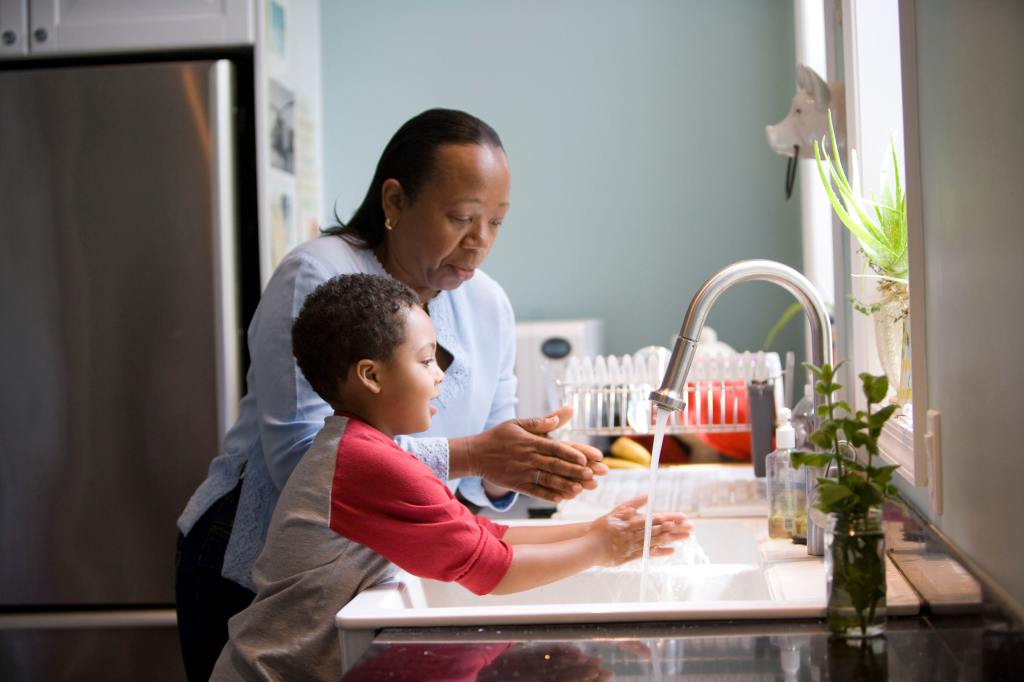
Children are mirrors and imitators. They reflect back to you how you behave and what you feel by imitating it. Therefore, as with many other aspects of life, personal hygiene is built on practice rather than theory. There’s no purpose explaining how body care works to your child if you don’t set an example. Allow them to watch you as you wash your hands before meals, before reading a book, after coming back from a walk.
Narrating step by step
Narrating what you do can be super helpful! While your child watches you wash your hands, clean under your fingernails, and comb your hair, you can narrate the step-by-step process. Explain what you are doing and why. This will facilitate familiarization with the context in which such actions are necessary. It is possible that your little one even feels the urge to repeat the step by step aloud, imitating your attitude.
Involving Your Child in the Decision-Making Process
Ask your child’s opinion and give him the power to choose some aspect of the activity. For example, he cannot choose whether to shower or not, but he can decide which shampoo or soap he wants to use. Give him two or three options at the most, so that he learns to have some control over his actions and, over time, performs them alone.
Associate hygiene moments with songs or stories
Another way to help solidify hygiene habits into routine is to associate some of those moments and tasks with music or a storytelling time. There are nursery rhymes that talk about brushing your teeth, combing your hair, keeping your fingernails clean, and cleaning your ears. Sing them with your child before or during these activities. It will make the process a lot more fun and enjoyable. Over time, allow and encourage your child to perform each task without your help.
Don’t Force it
It’s common for little ones to refuse to do activities, so parents tend to get creative when persuading their child to do something. However, if you notice they are always unhappy and reluctant when performing a specific activity such as combing their hair, talk to them about it. If they can’t talk just yet, don’t force it. Find out what is preventing you (or them) from doing the task. It will be easier to find the root cause of the problem. For example, some children have really sensitive scalps, so they tend to complain about combing their hair. If this is the case for your little one, look for hairbrushes with softer bristles.
Encouraging hygiene habits at a young age also helps make them aware of their own bodies and various other aspects of their daily lives. Healthy personal hygiene habits that are learned in childhood will last a lifetime.
What did you think of our tips and tricks? What else would you add? Try them out at home and come back to tell us about the progress you have made with your little one.
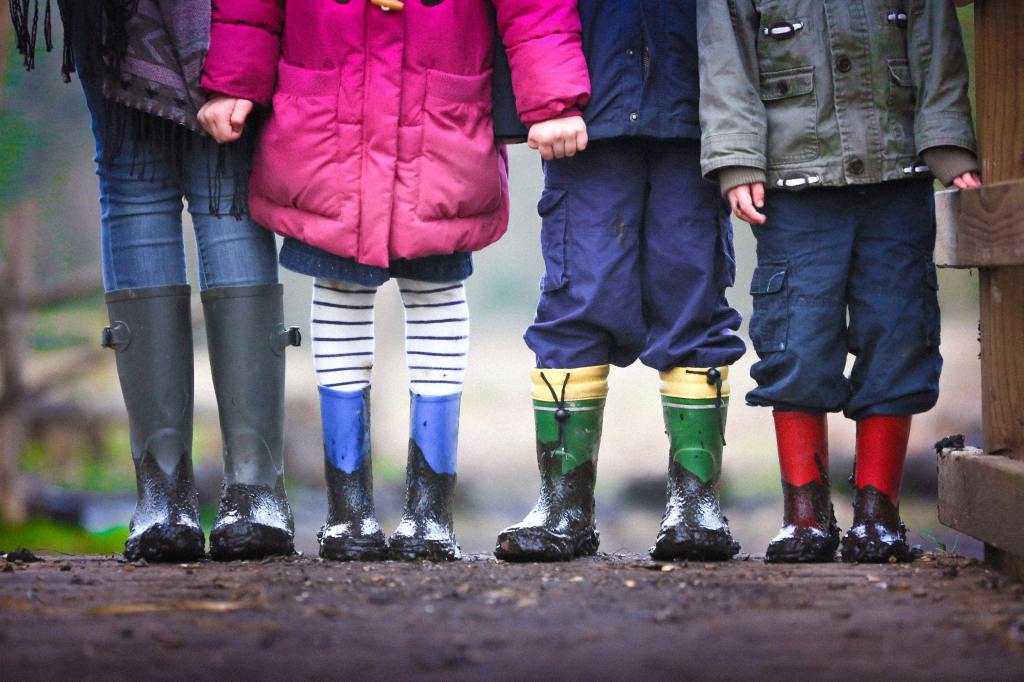
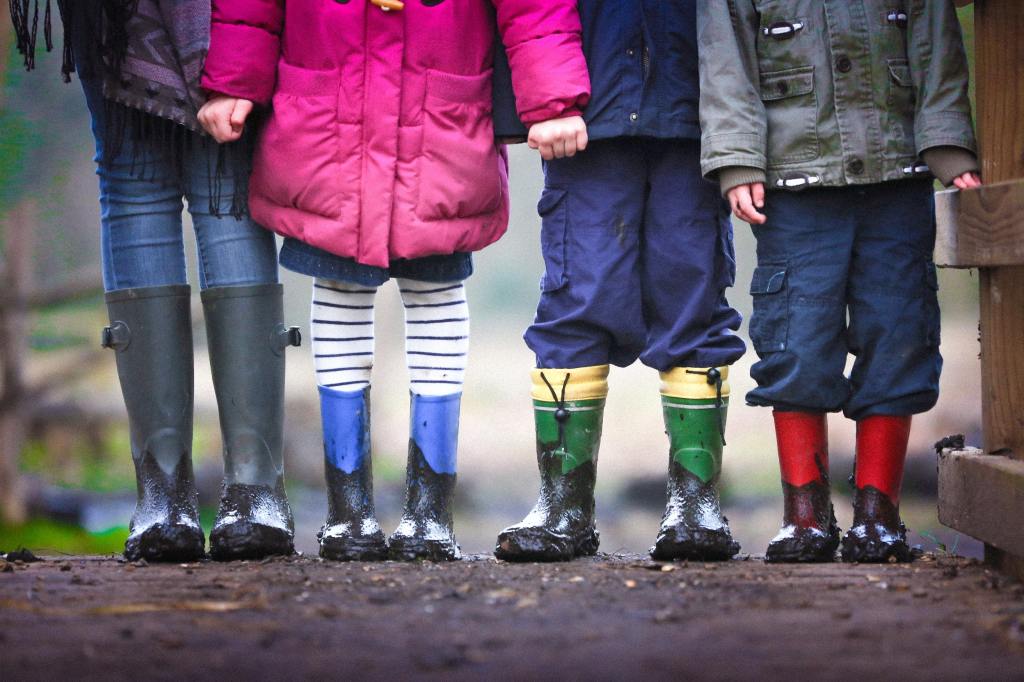
Contrary to popular belief, jumping in muddy puddles can be very fun! However, when the weather conditions don’t allow for some outdoor time, we all enjoy some playtime indoors. Here are some fun rainy day activities anyone can do with their kids:
Obstacle course
This is a great energy burning activity that needs very little prepping time. I usually introduce the activity by placing a few pillows on the floor – one in front of the other and leaving some space in between. I also tend to create the first rule which usually is: jumping over the pillows without stepping on them. They look so proud to get to the finish line and are often eager to do it over and over again. I try to get them involved in creating the next obstacle and the next rule. Eventually, they take over with the creativity part of the game. They usually will come up with the funniest obstacles such as: rolling or jumping for an x amount of times, crawling in zig zag motions, climbing the couch or crawling under the dining table. This multi step activity will keep them engaged, and encourage their sequencing and memory skills.
Everyday Tasks
It’s nothing new to say that little ones enjoy taking part in everyday tasks. It could be simple things such as loading the dishwasher, sorting out the laundry, setting the table, watering the plants, arranging flowers and many others. Window washing is also a practical life activity that can be quite fun and long lasting. All you will need is a small squeegee (or a cleaning cloth), a sponge and a spray bottle with water. I know it can be a dull task for us adults, but many children see it as a fun opportunity to spray water, to use their little muscles to reach and clean up high, or to push and pull the squeegee. Additionally, if you find that your children are destructively splashing around in your dish washing area or interested in pouring drinking water all over the floor, this will be a great activity to help redirect them. Let them inspect how it moves and experiment with it!
Cooking
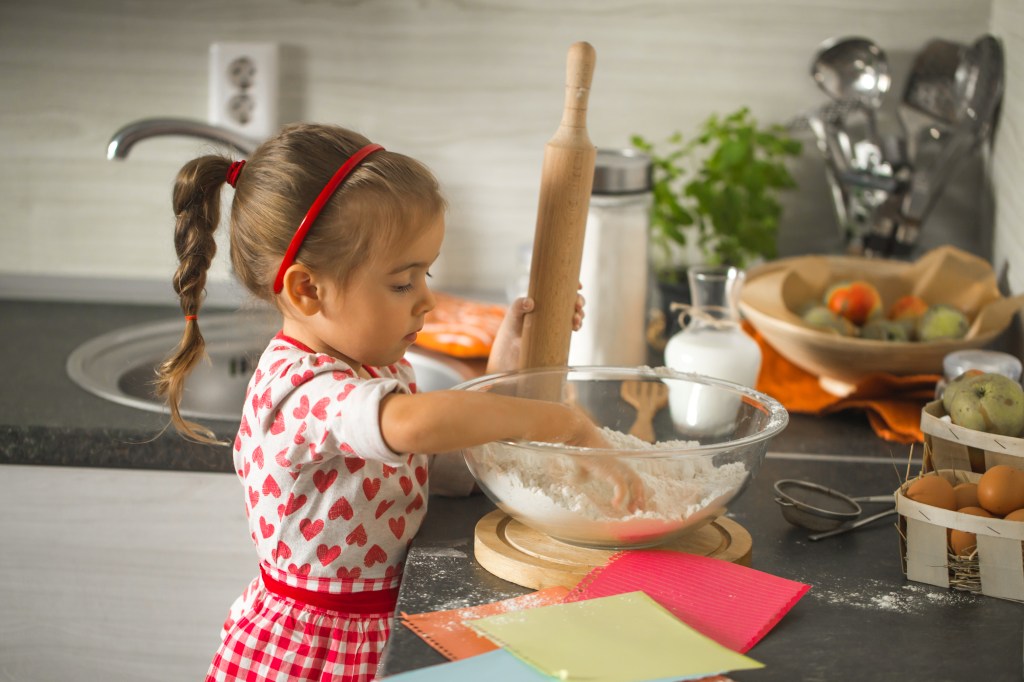
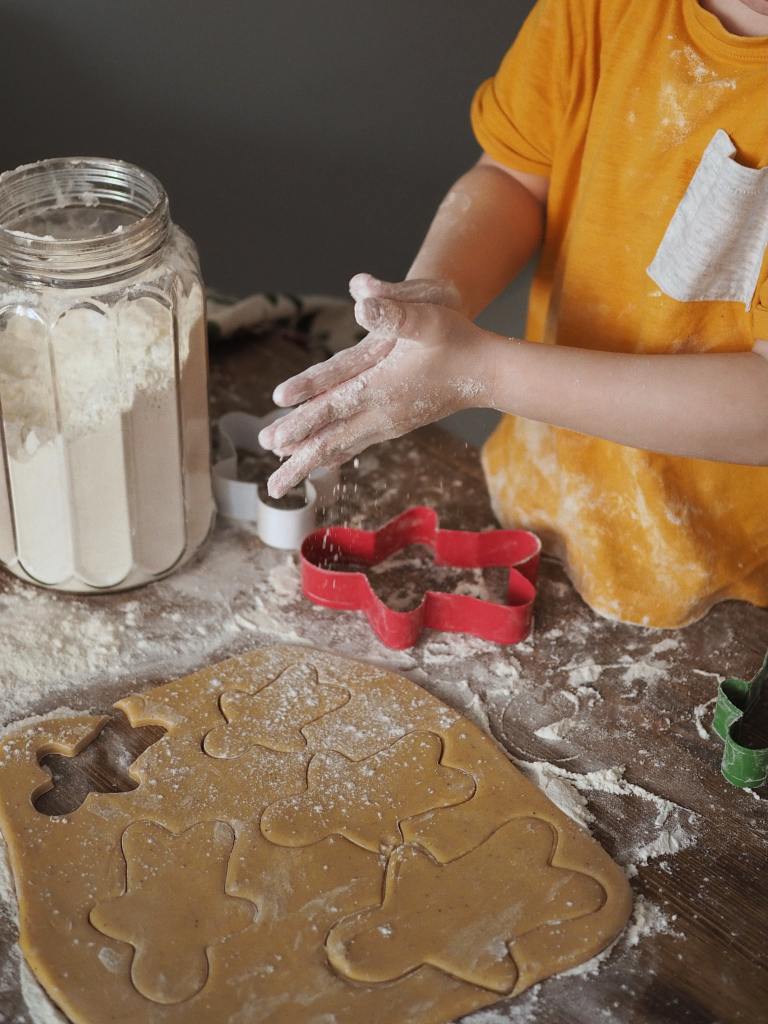
Cooking can also be an everyday task, but I chose to mention it separately because cooking with your little ones can benefit them in many ways. It will encourage exploration with their senses by listening to the blender whirring noise, smelling ingredients, or even by tasting a warm fresh cake out of the oven. It can even help them build basic skills by counting ingredients or pouring milk into a mixing bowl. They will feel included and accomplished by helping you in the kitchen. Here is an easy and healthy Banana Bread Recipe that will be perfect for a rainy day.
Sensory Bins
Sensory bins allow children to explore and learn through hands-on tactile play that engages their senses. You might already have at home some sensory bin fillers like beans, pasta or even oats. The bins can be themed based on the current interest of your child. If they are currently into animals, grab some animal figurines you might already have to “build a farm” by using corn kernels as the floor. If they are into building things, grab some trucks and load them with oats to create a “construction site”. Regardless of the theme, I’d encourage providing them with some spoons, jars or small containers for them to practice dumping, filing, and scooping. This can be an independent activity, but also a fun parent-child bonding opportunity.
Pretend Play
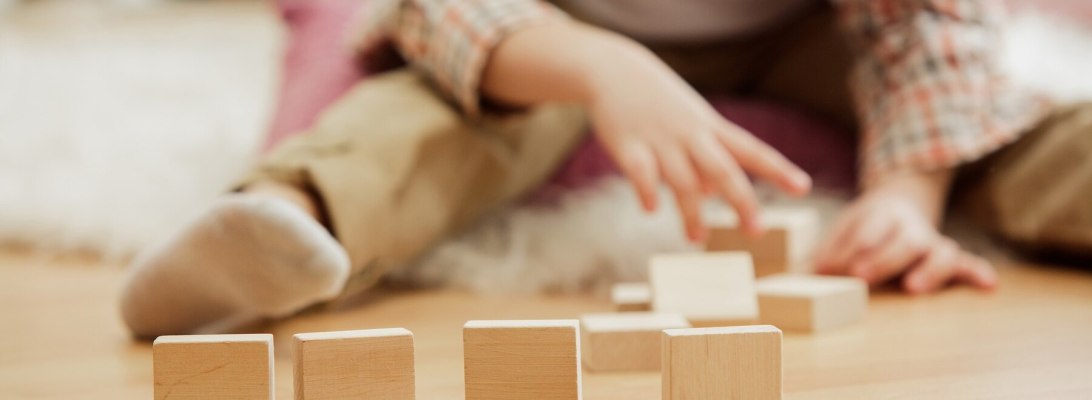
Lastly, this might be one of my favorite activities to do with the little ones. It encourages social, language and motor coordination development. This could be fairly simple as pretending to drink tea from a pretend toy cup. I tend to use simple open ended objects to encourage children to use their imagination to decide how they will use that object. Some of these materials can be blocks, crayons, paper or clay. I also try to facilitate the play without dominating it. I often will follow along with the child’s imagination and suggestions as opposed to my own. For example, they might say they want to build a “big house” for their Lego dolls. However, they proceed to grab the smallest blocks available, and I know none of the little dolls will fit. Instead of directing them to the bigger blocks, I allow them to lead the play. I have noticed that they will either go back for the big blocks on their own or change their minds and use the small blocks as something else like a bed for their dolls. It’s fascinating to see the ideas they come up with.
One of the most important ways to support a child’s human development is by creating a conducive physical environment. Unfortunately, most educators and parents don’t have the opportunity to design their space from its origins. This would be the ultimate luxury! Generally, when we acquire the space, we have to use all of our creativity and ingenuity to create a space that is going to support and help the child’s natural development. Let’s look at individual elements of the physical environment:
Size
The size of the space is crucial for the development of the child. If the space is small, the child might feel restricted and hindered in their exploration. It will also make it hard to balance the amount of material you will be able to display at once in the space. On the other hand, if the environment is too big, it can be overwhelming for the child. They may even feel lost. The key element here will be to balance between the amount of materials and children being put in the space. Traditionally, the space provided for children is often too small because this is frequently dictated by the requirements of the government where they live. The ideal size a Montessori infant community should follow is 7 square meters (or 75 square feet) per child. Having space can be very helpful because children at this age are trying to refine and develop their movement, so you will often see them losing their balance, bending down, falling over, and bumping into almost everything. However, not everything has this big of a space to provide for their little ones, so being creative with the environment and furniture will help you optimize it. For example, high ceiling rooms can allow for another level to give children more floor space because a lot of them work on the floor. Generally, the furniture in a Montessori room is very low. This allows children to have easy access to their activities, so adding one extra shelf that is still low enough for the child to reach means you can have more materials in the environment. Ultimately, giving you more floor space.
Lighting
The next important element is natural light. Light gives a feeling of tranquility. Having big windows will allow children to see life happening around them by seeing a bird fly by, a car drive by or a person walk past. If artificial light needs to be used, try to use full spectrum light bulbs that provide the little ones all the gradients of light. If possible, try avoiding using fluorescent trip lights because this can interfere with the child’s concentration as sometimes they start flickering when they stop working.
ACOUSTICS
Having big windows is great, but if there are too many windows, the sound might be amplified in the room which can be really challenging. Generally, spaces for young children have very little carpeting and very little soft furnishing, so the sound bounces off the hard surfaces, especially in an environment where there is a lot of glass. If you feel this might be an issue you are facing, providing some acoustical insulation can be very helpful. You can use sound isolating tiles, curtains, and even plants to help absorb the sound.
TEMPERATURE
The temperature must be comfortable for the child. It must be conducive to their needs. If the air is stagnant and doesn’t refresh, it might allow bacteria and viruses to linger. Ventilation can be your best friend in this situation. You want the air to circulate preferably through open windows. Additionally, if you keep the environment so much warmer or cooler than the outdoor environment, it can be very difficult for the children’s immune systems to constantly have to adjust to two different temperatures. Some people live in cold countries where they have to control their heating, and others live in warm countries where they have to control their air conditioning. Therefore, having a thermostat in the space can be very useful when controlling the temperature.
“The objects surrounding the child should look solid and attractive to him, and the ‘house of the child’ should be lovely and pleasant in all it’s particulars; for beauty in the school invites activity and work, as adults know that domestic beauty nourishes domestic unity“
Maria Montessori, The Child and the Family
Furniture
It has to be proportionate to the child’s height. This will help give the child the feeling that this space belongs to them. We want them to feel they are welcome in the space. It’s important that shelving is sturdy to avoid movement. Tables and chairs should not be too light or too heavy. They should be stable enough that if a child leans back, they don’t fall off of it. They should also be light enough, so that a child can carry it around. When the furniture in the environment is child size and easy to manipulate, it gives the child a feeling of comfort and belonging.
Materials
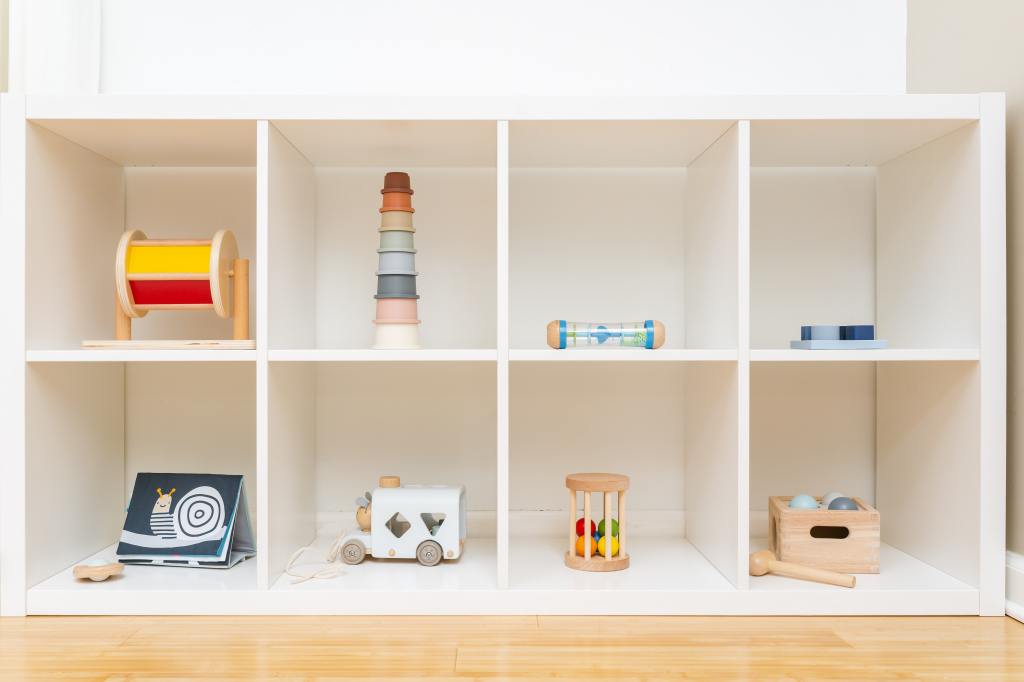
It’s important to remember you need a broad range of materials especially when you have more than one child in the space. You have to accommodate all children’s needs. Even if you have one child, the materials in the environment have to evolve with the needs of the child. Rotating materials will come in handy as you observe the child has successfully completed an activity and is no longer interested in it anymore. Everything in the environment must have an intelligent purpose. There must be a reason for placing each material in the environment. If there is an activity that has been collecting dust, you should remove it. It doesn’t need to be there if nobody is interested in it or working with it. We have to really look at their interests. Additionally, we should also look at properly storing these activities. You will often see in Montessori rooms the activities are stored and displayed in baskets and/or trays. Preferably, trays should have high edges and handles to make it easier for children to successfully carry their activities. Correct handling and modeling of carrying trays is very important. Adults have a tendency to carry things with their fingers, so the child’s absorbent mind will be tempted to do the same.
Because children have a very strong sense of order, all materials should be grouped in a logical order. Therefore, you should have all the manipulatives together, all the language activities together, all the food preparation together, all the practical life materials together, and so on. When a child sets an activity out, you should encourage them to place the activity back in the same spot. It will make it easy for them to remember where they need to go next time they want to work on that activity again.
You will also notice that Montessori spaces (in western cultures) display their materials from simple to complex, from left to right and top to bottom. However, if you are working in a NIDO environment where most kids are learning to crawl, you should place the easiest activities at the bottom. On the other hand, if those same kids are now learning to walk in an unbalanced manner, chances are they will fall down when trying to pick something up from the low shelf. Therefore, The environment should be changing and evolving with their needs.
Apart from observing the child interacting with the environment, you should also observe the materials’ condition. Repair or simply remove any material that is broken or chipped, or missing a piece. When you offer a child to read a book with a torn page or allow them to be in a room with a wall that has been scribbled all over, this will encourage the child to do those things.
Conclusion and Inspection
You should always observe and assess the environment to properly accommodate children’s needs. It’s our job to ignite the child’s interest by doing whatever we can to link the child to the environment. Lastly, when we are preparing the environment, whether it’s in the home or at school, you should conduct an inspection of the room by doing a walk through. If the child is not even crawling yet, you should lay on your back and observe what they are looking at. If the child is crawling, you should get down on the floor, crawl and see what they see. When you are preparing an infant space for a toddler, you should get down on your knees to be able to look at what they are looking at. The main goal is to look at the environment through their lenses!
Every living organism needs a specific environment in order to survive and to meet their full potential. Montessorians call this a Prepared Environment.
How it works:
Generally, in traditional education, the teacher is the center of all learning and is the one giving knowledge to the children. In Montessori education, the child is the center of all learning, and the teacher serves as a guide by preparing the environment and giving knowledge to the children on how to be in the environment. Child receives feedback from the environment by independently interacting with the environment. The teacher also receives feedback from the child and their interactions from the environment.
“The child must be able to use everything he comes across in the house, and he must be able to do the ordinary tasks of everyday life.”
Maria Montessori, The Child in the Family
Physical Environment vs Psychological (Human) Environment.
We are all a product of the environment we grew up in, so it is important to create the right environment that recognizes the child’s needs. The prepared environment can be broken down into two main concepts: Physical Environment and Psychological Environment. They are both designed to nurture and protect growth, but they are slightly different. The Physical Environment refers to the creation of the space to support human development. This is what the child will experience through his senses. Therefore, being aware of things like the amount of natural light, the proportionate furniture to children’s height, or even the room’s temperature and sounds can be very important. The Psychological (Human) Environment refers to the child learning to be a human being by watching the adult’s behavior and attitude. Adults play an important role as they must be aware of their organization skills, emotions, language use, grace & courtesy. They should also be aware of the child’s movement and development by being a good role model.
The Prepared Environment is designed to nurture and protect growth. In order to provide an environment that meets the child’s needs, it’s important to take into consideration their state of development. It’s the adult’s responsibility to prepare this environment with the primary intention of linking the child to the environment, so that they can follow their natural path of development.





 Braga Montessori