Hey there!
Welcome to our blog! Here you will find Montessori resources varying from practical tips to recipe ideas.
From the blog
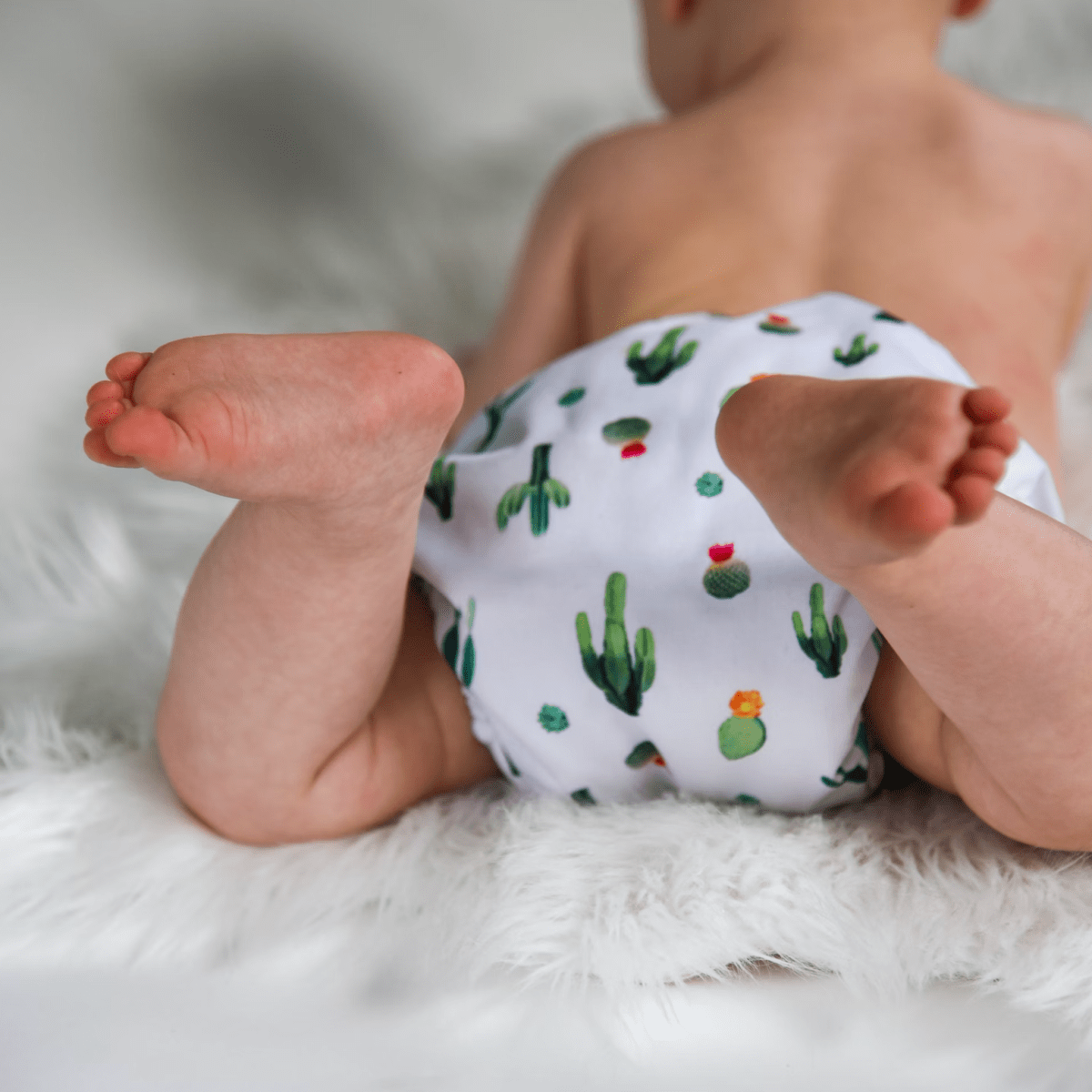
Montessori Toilet Training: Practical Guide Fostering Independence Through Understanding
Toilet training is a milestone in every child’s life, and in the Montessori approach, it’s seen as an opportunity to empower children with the knowledge and independence they need to take control of their own bodily functions. Unlike conventional toilet training methods, which often rely on disposable diapers, Montessori emphasizes the importance of understanding one’s…


Creating a Nurturing Psychological Environment in Montessori
A fundamental aspect of Montessori education is the creation of a carefully crafted psychological environment that supports a child’s emotional, cognitive, and social growth. In today’s post, we will explore the key elements that make up the psychological environment of Montessori and discuss practical steps that parents and educators can take to incorporate these principles…
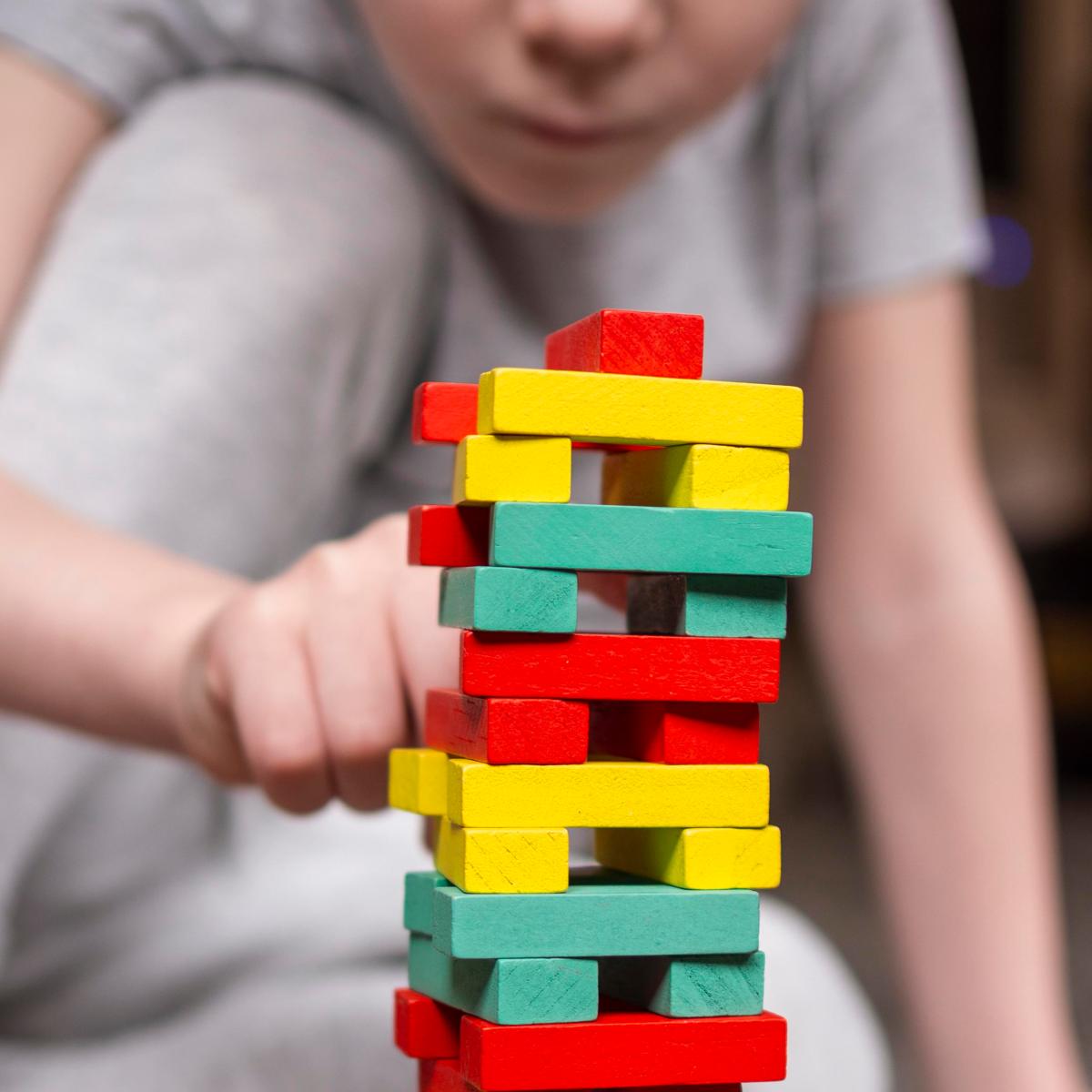
Why Children Prefer to ‘Work’ Instead of ‘Play’ (and Why It’s Not What You Think!)
If you’ve ever come across the famous quote by Maria Montessori that goes, “The greatest sign of success for a teacher… is to be able to say, ‘The children are now working as if I did not exist,’” you might have wondered why she used the term “work” instead of “play.” After all, childhood is…
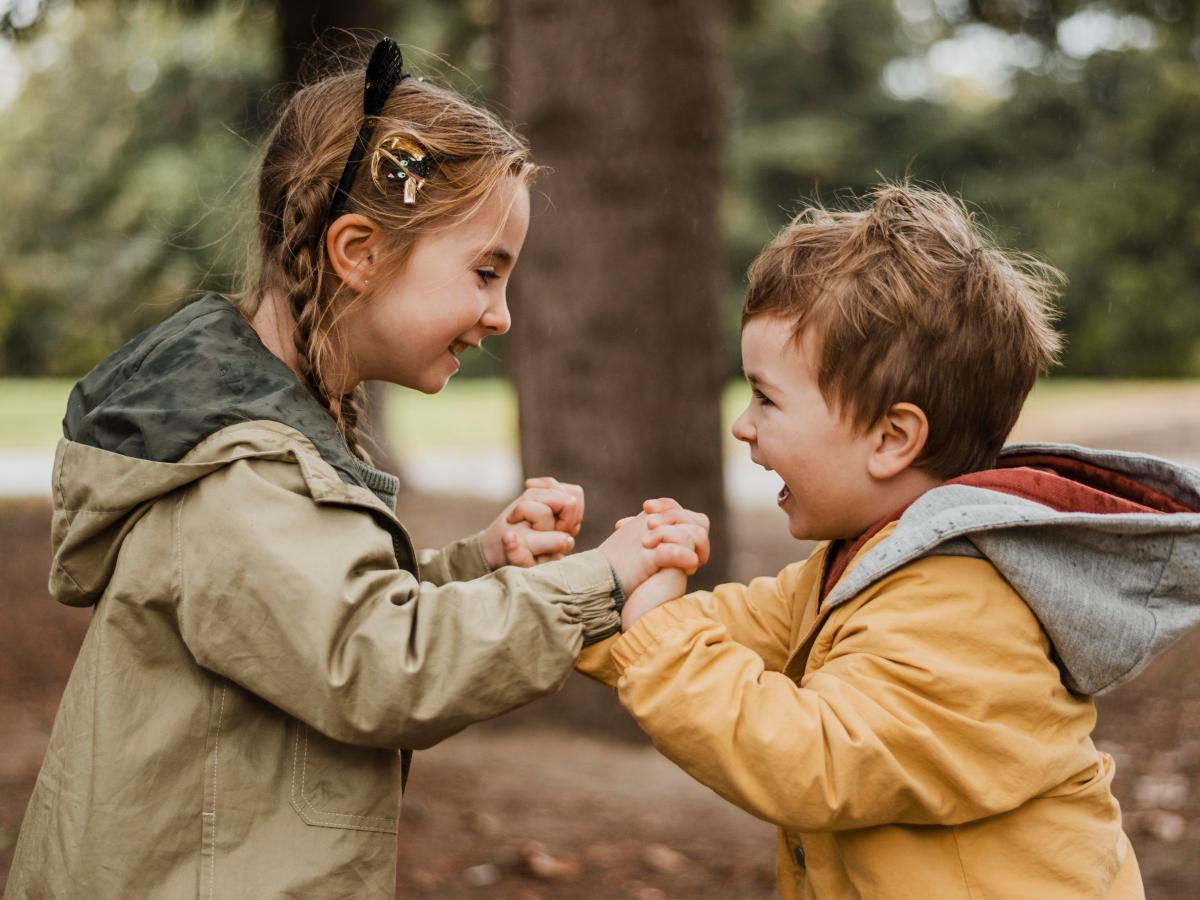
Playtime Potpourri: A Montessori Guide to Managing Play with Different-Aged Children and Personalities
Are you a parent trying to navigate the delightful chaos of playtime with kids of varying ages and personalities? Fear not, for Montessori principles can be your compass in this playful adventure! In Montessori classrooms, children often participate in multi-age groupings, fostering a rich learning environment. But what can we learn from this approach, and…
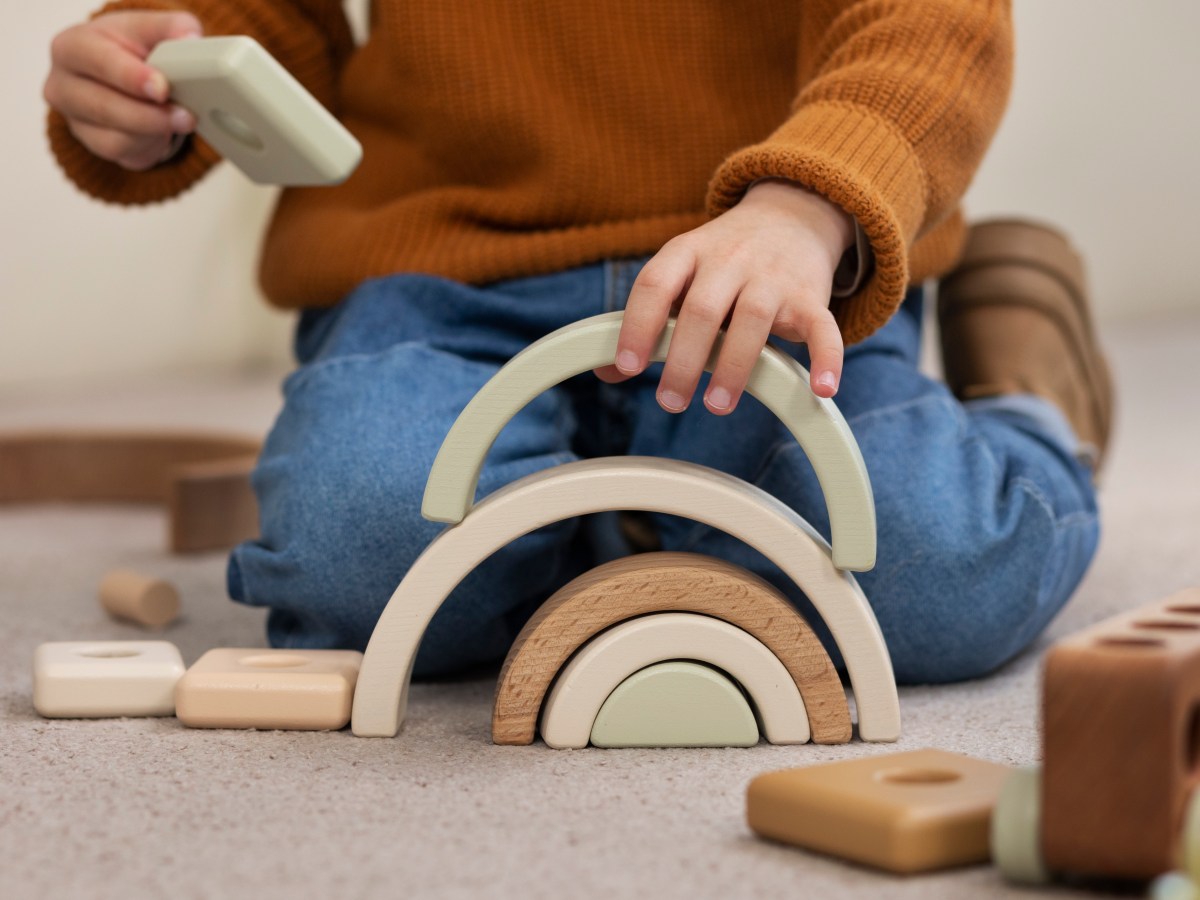
The Wonder of Wooden Toys: Maria Montessori’s Wisdom
In the fast-paced digital age, where screens and plastic toys often dominate children’s playtime, there’s a timeless charm to wooden toys that continues to captivate young minds. Wooden toys appreciated for their simplicity, durability, and educational value have been a staple in children’s playrooms for generations. One of the most significant proponents of wooden toys…
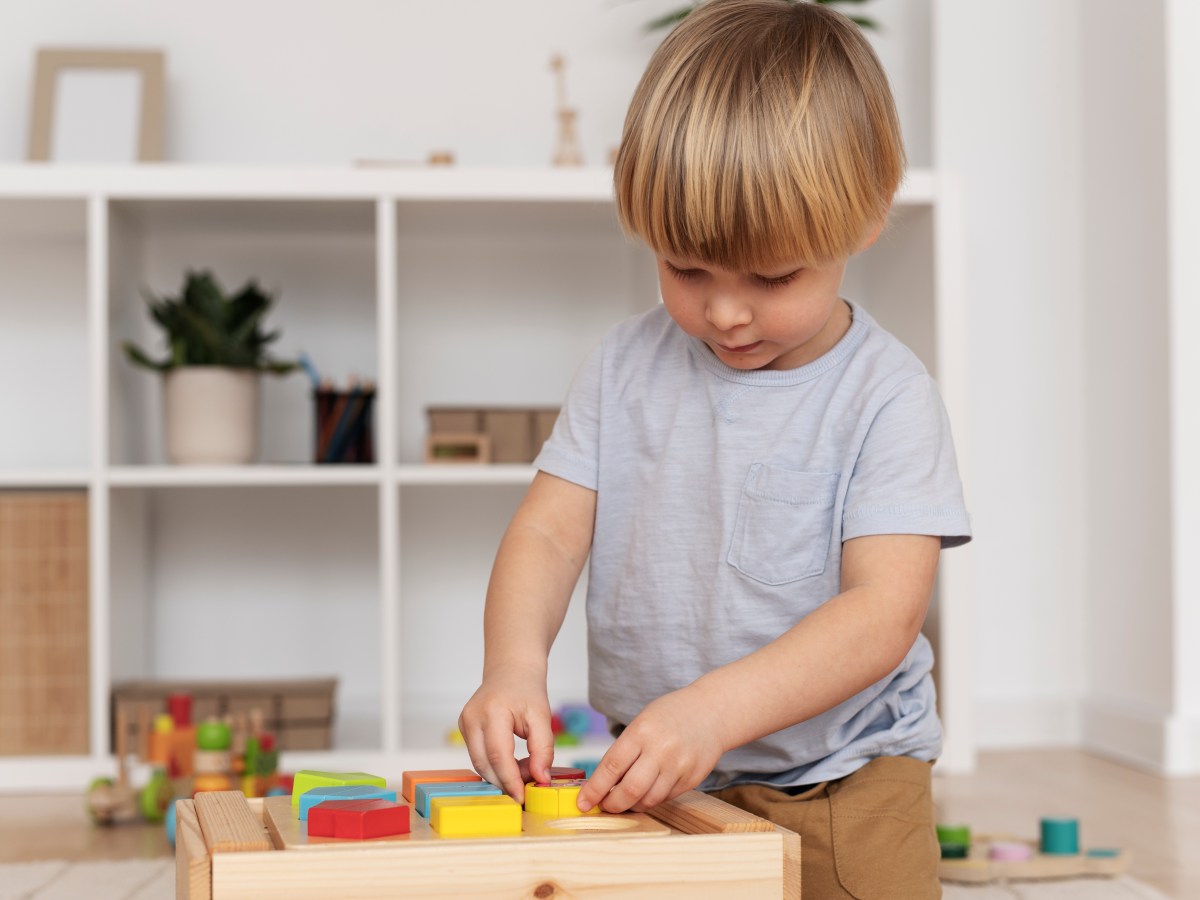
Montessori Toy Shelf 101: Promoting Independence and Development in Children
The Montessori method of education has long been celebrated for its emphasis on fostering independence and self-directed learning in children. One of the essential components of a Montessori classroom or home environment is the Montessori toy shelf. This low, child-sized shelf is carefully designed to support a child’s development, encourage orderliness, and promote independence. Design…
The “Why” Phase: A Toddler’s Curious Adventure
Let’s diving deep into the enchanting world of toddlers and their relentless “why” phase. You know the one we’re talking about—when every answer you give seems to be met with an enthusiastic chorus of “Why?” This phase can be both endearing and perplexing, so let’s explore why toddlers ask “why” so many times and how…

Nurturing Development: Montessori Learning Materials for 6 to 9-Month-Old Babies
The Montessori approach to early childhood education is a time-tested method that focuses on fostering independence, exploration, and self-discovery in young minds. The first year of a baby’s life is an incredibly formative period, and from 6 to 9 months old, infants are actively developing crucial cognitive, motor, and sensory skills. In this blog post,…
Nurturing Young Minds: Exploring Montessori Sensitive Periods
Every child is a unique and curious individual, constantly absorbing the world around them. Maria Montessori, a visionary educator, recognized that children go through distinct phases of heightened sensitivity and receptiveness to specific aspects of their environment. These magical windows of opportunity, known as Montessori sensitive periods, offer parents and educators incredible insights into how…

5 Sensorial Activities To Do With Your Child
The purpose of sensorial activities is to help children sharpen their senses, absorb abstract information, and classify their environment while using hands-on materials. These activities help the child to think for themselves using a systematic approach According to Montessori, sensory development starts at birth. The child learns about his surroundings by using his senses. He…
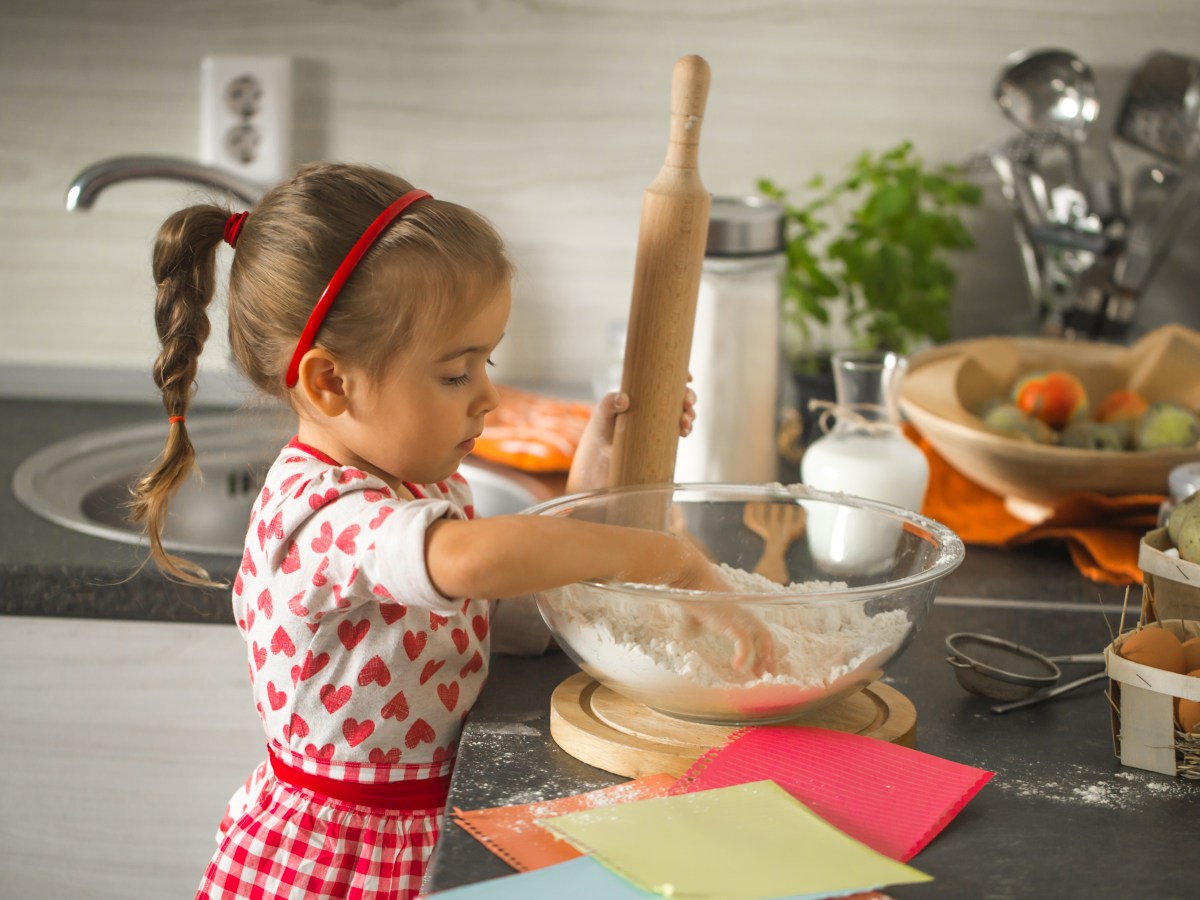
Practical Life: Ways of Involving Your Child in Everyday Tasks
Activities of everyday life are involved in all of the aspects of life. The three areas you will hear about in practical life are care for self, which includes lessons on learning to get dressed, getting their own snack and washing their hands. Grace and courtesy is the area of which social skills are developed.…
Three-Period Lesson: An Unique Hands-On Learning Approach
When introducing a new concept or vocabulary and demonstrating the purpose of a material, guides should use the Three Period Lesson. These periods offer a slower and easier learning process for the child. It is an interactive holistic learning technique where the child absorbs new knowledge through language and hands-on discovery and exploration. The First…
Language Development
Language is the ability that two or more people have to encode ideas into a signaling system for communication. There are many forms of communication such as signing, singing and speaking. There are also two agreements that must be made for language to exist and to be effective. The first is that a sequence of…
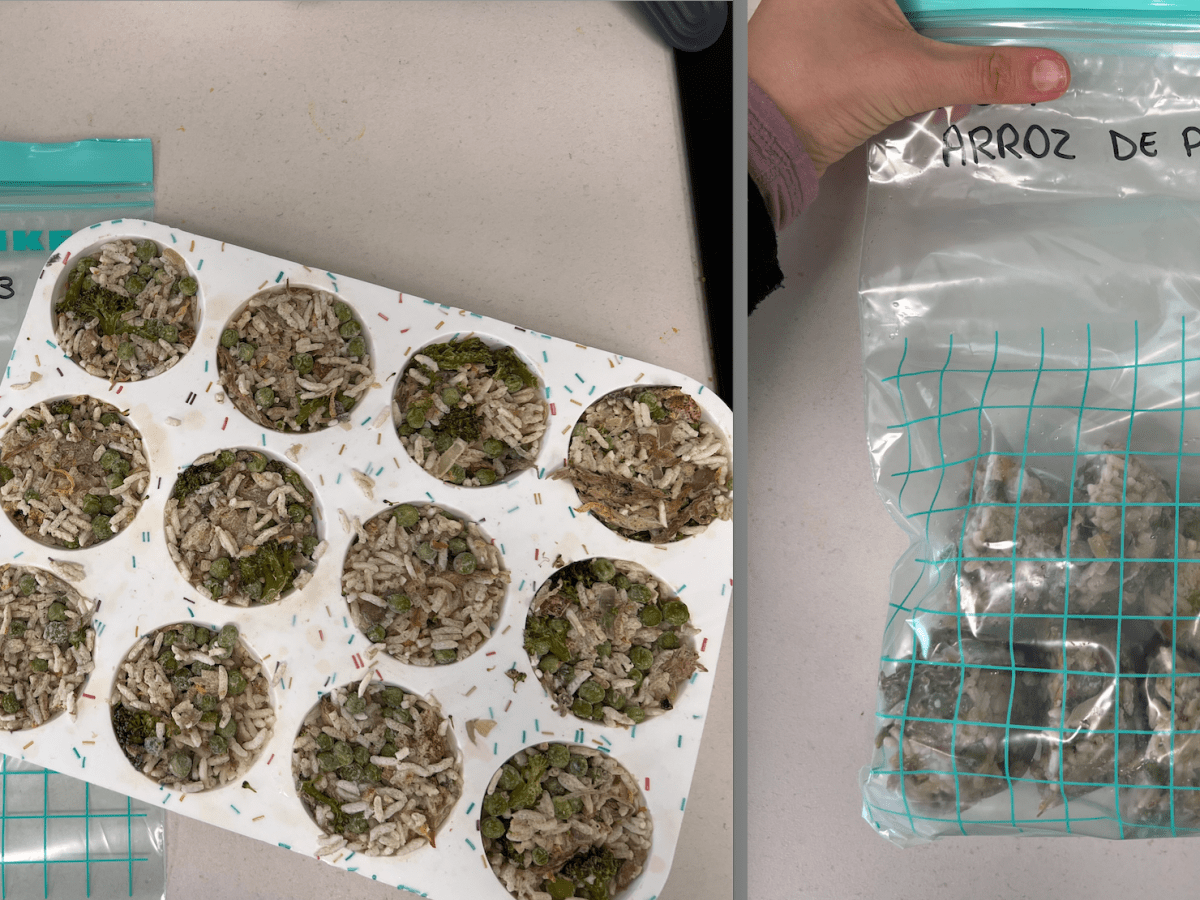
How to Freeze Baby Food: Tips and Tricks to Save You Money and Time
Cooking fresh meals daily for your children can be a tiring chore to accomplish. If you are on a busy schedule, this can be a real time-consuming task. However, freezing their meals is a good way to save time and money, and it also contributes to reducing food waste. Here are some tips and tricks…
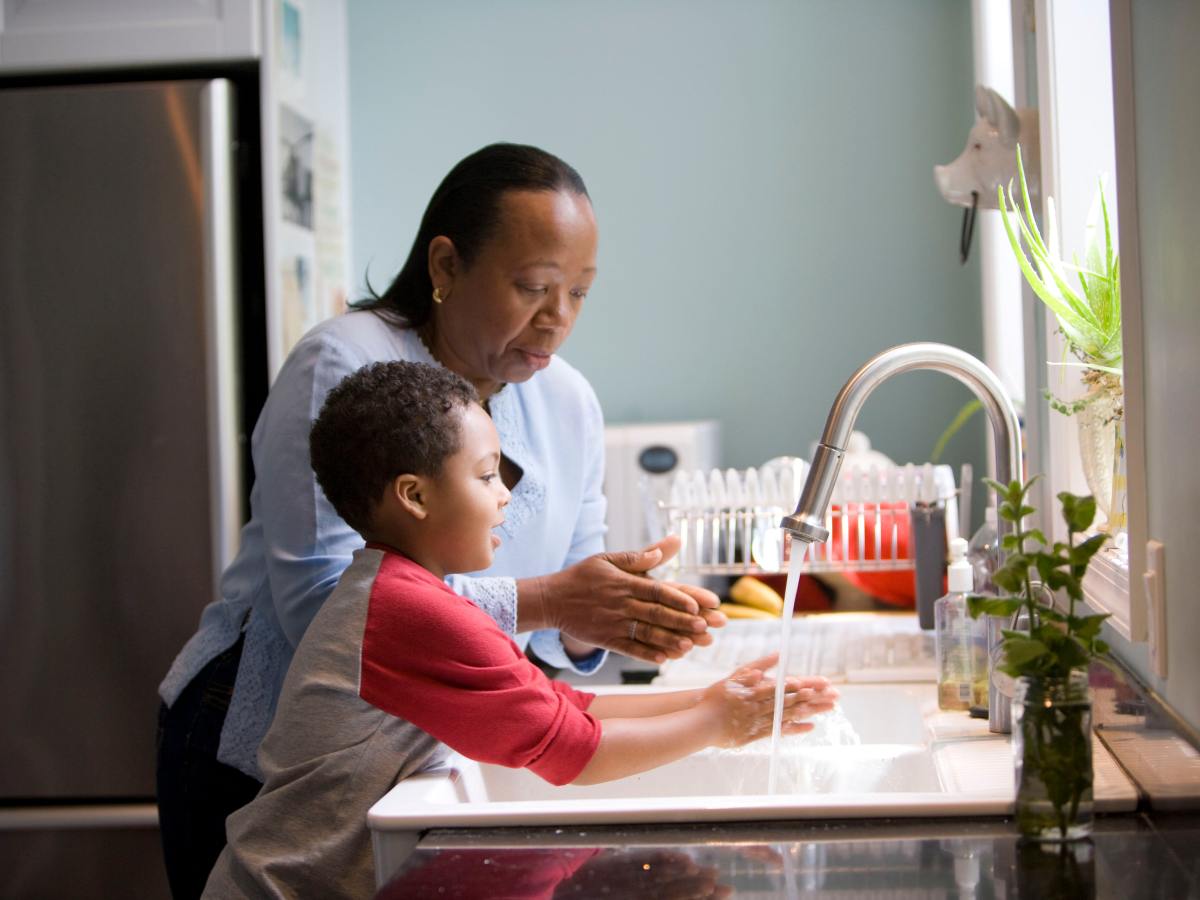
How to Encourage Hygiene Habits at a Young Age
The first few years of life is when the little ones learn how the world works. Their mind works like a sponge, soaking up huge amounts of information from her environment. They absorb everything around them, effortlessly, continuously, and indiscriminately. Personal hygiene is part of these discoveries and should be encouraged by parents and everyone…
New posts in your inbox
About us
We are a Montessori community sharing educational and practical resources.
 Braga Montessori