How to Freeze Baby Food: Tips and Tricks to Save You Money and Time

Cooking fresh meals daily for your children can be a tiring chore to accomplish. If you are on a busy schedule, this can be a real time-consuming task. However, freezing their meals is a good way to save time and money, and it also contributes to reducing food waste. Here are some tips and tricks on how to freeze your leftover baby food.

Place leftovers into single serving amounts

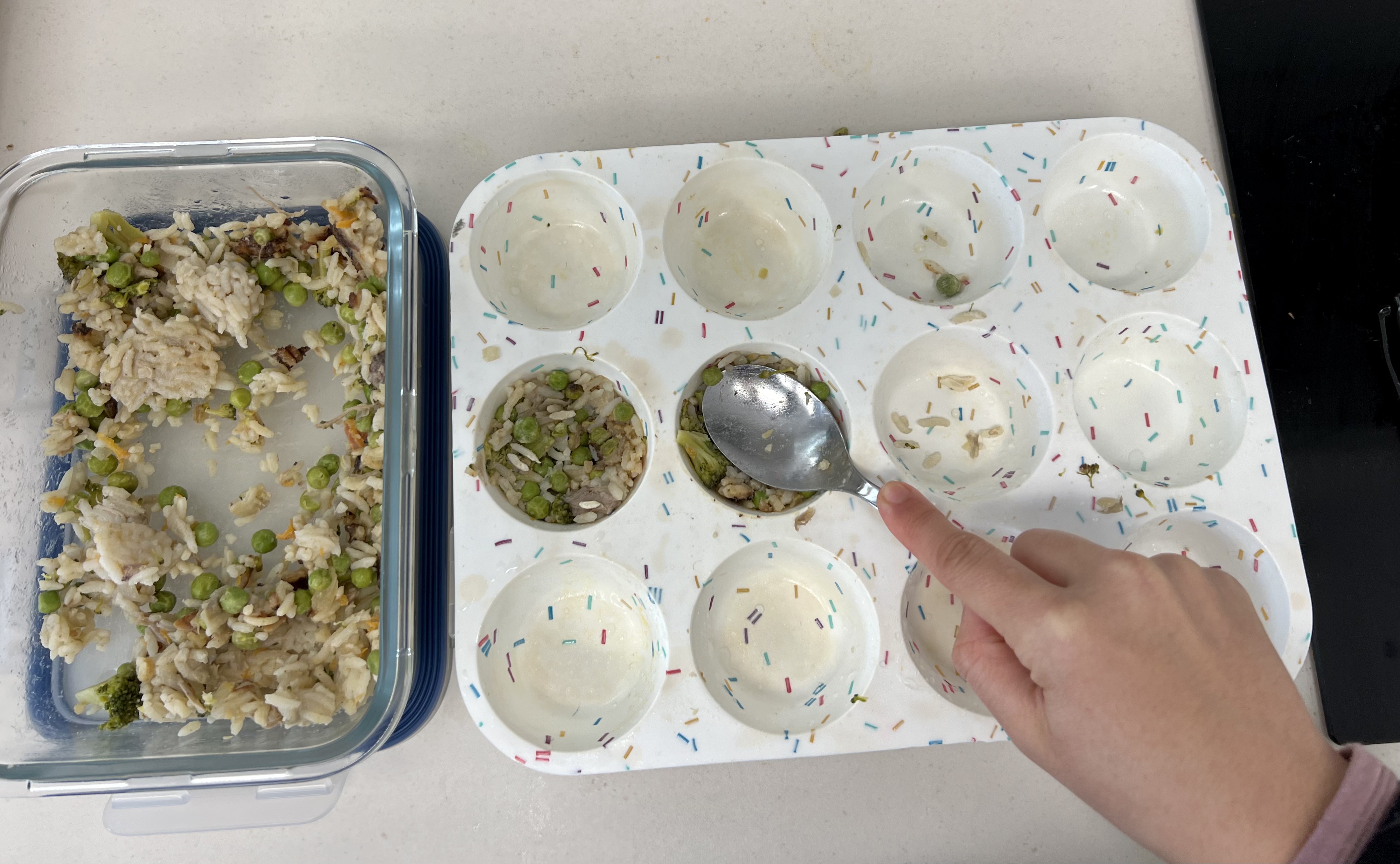
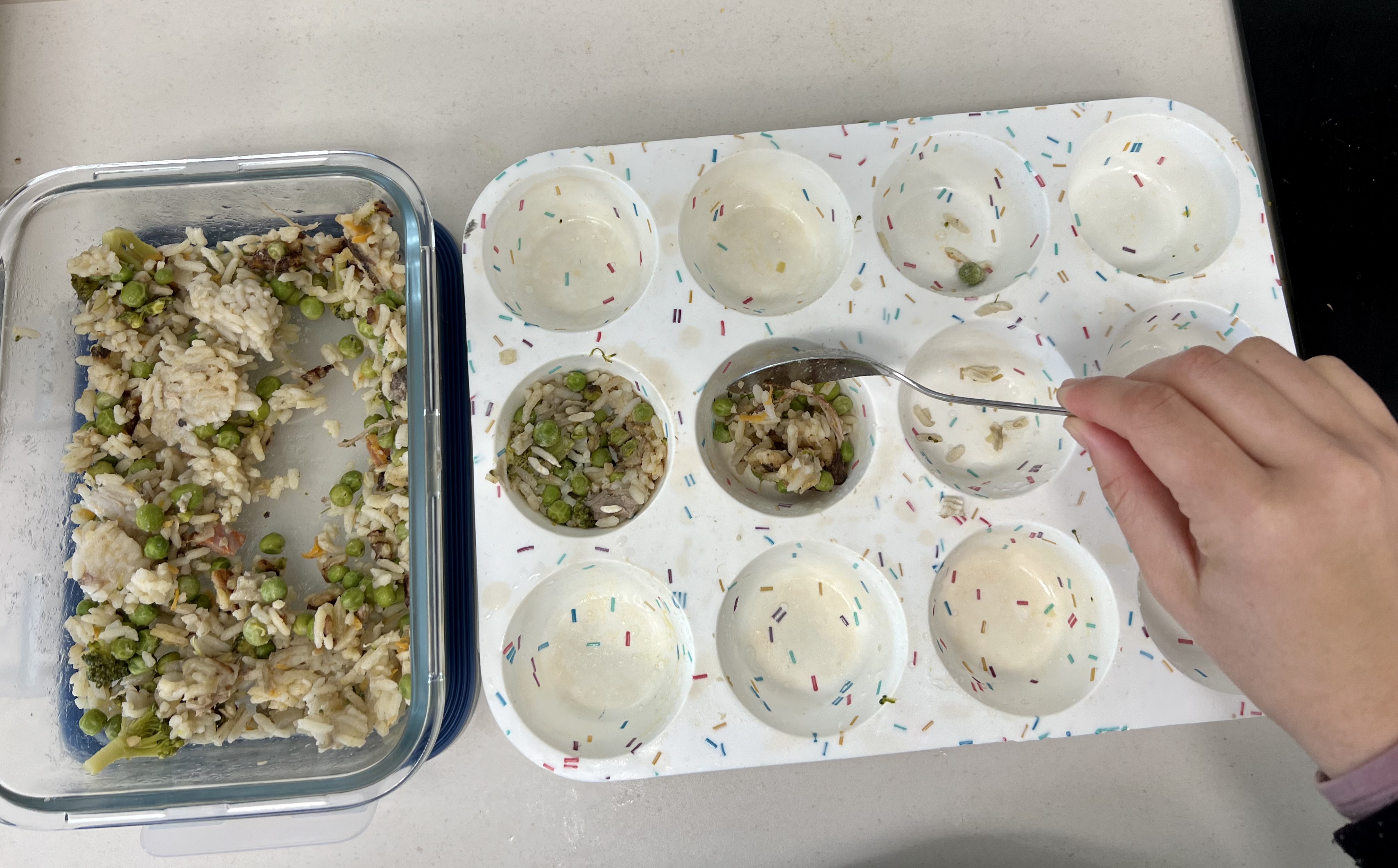
Once the leftovers have cooled down, distribute them into individual portions. You can use different kitchen gadgets to accomplish this part such as an ice cube tray or a muffin tin. Don’t forget to sanitize and clean thoroughly before spooning the food directly into each tray. 
Transfer to a container

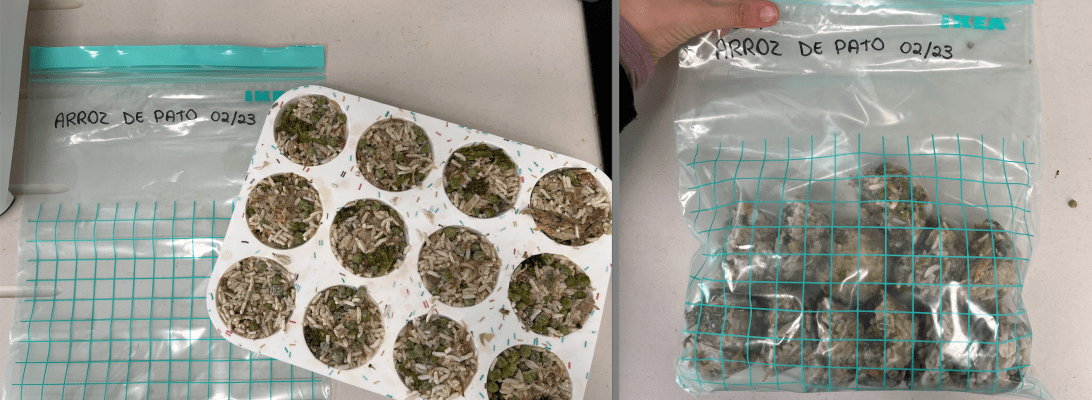
When you notice the cubes have solidified, remove them from the tray.
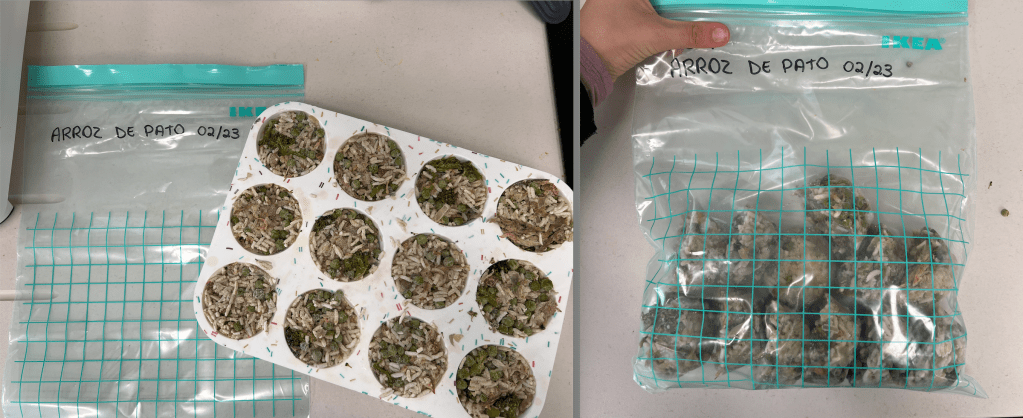
Once you pop them out of the tray, move them to a reusable freezer bag or container. If you notice that as the food cools down, frost or ice crystals are forming on your food, use a freezer-safe and moisture-proof container next time. 

Labeling

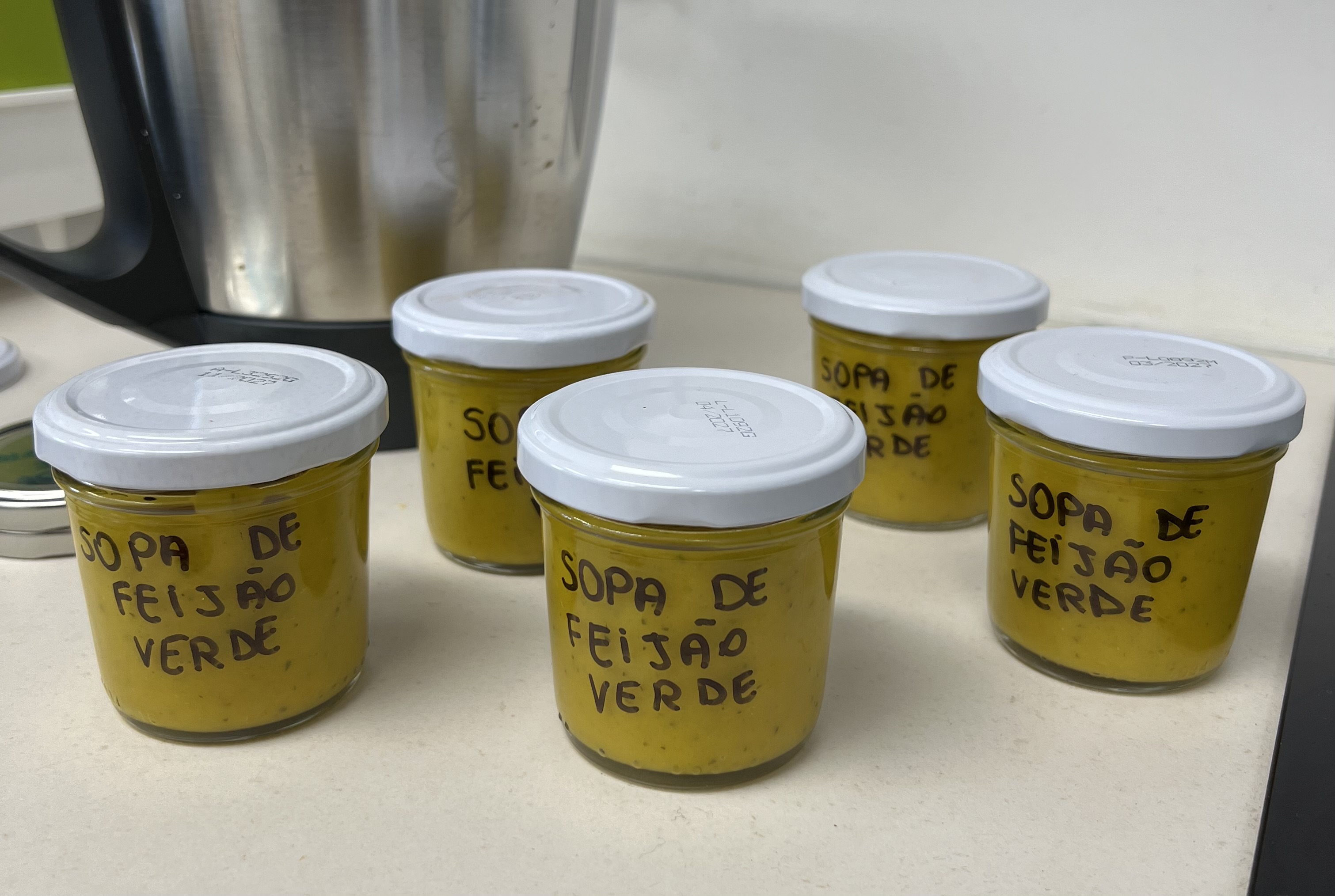
Storing food in freezer bags without labeling them can easily become a future frozen mystery. Use a permanent marker to label each food with the name and date you made it. If you have a child or family member with diet restrictions, this would be a good place to write which ingredients the meal contains.  
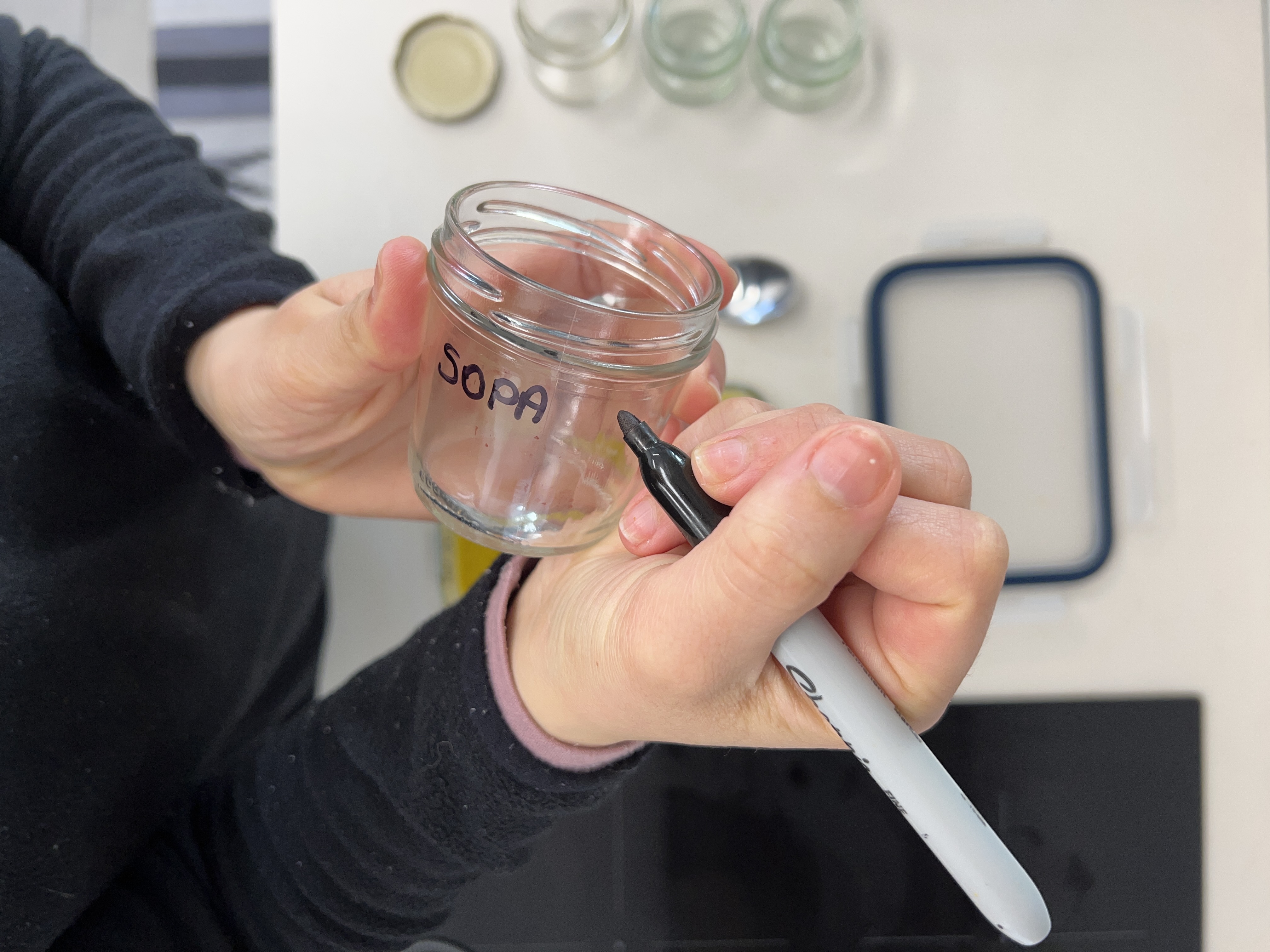
Pro tip: In order to reuse the containers, have a small alcohol spray bottle handy to erase what you write.

Ideally, you’d remove baby food from the freezer and leave it in the fridge overnight to gradually defrost. This will help preserve the nutrients. However, if you are in a hurry, you can definitely use the microwave. Just keep an eye out and taste the food before offering it to the baby. Sometimes the edge gets too hot and the center remains frozen. 

Having a variety of frozen meals in your freezer will allow you to always be able to whip up an easy meal in no time! Let us know when you try it and bon appétit!
How to Encourage Hygiene Habits at a Young Age

The first few years of life is when the little ones learn how the world works. Their mind works like a sponge, soaking up huge amounts of information from her environment. They absorb everything around them, effortlessly, continuously, and indiscriminately. Personal hygiene is part of these discoveries and should be encouraged by parents and everyone around them. Here are some tips and tricks to successfully introduce and encourage hygiene habits at a young age. 

Set an example

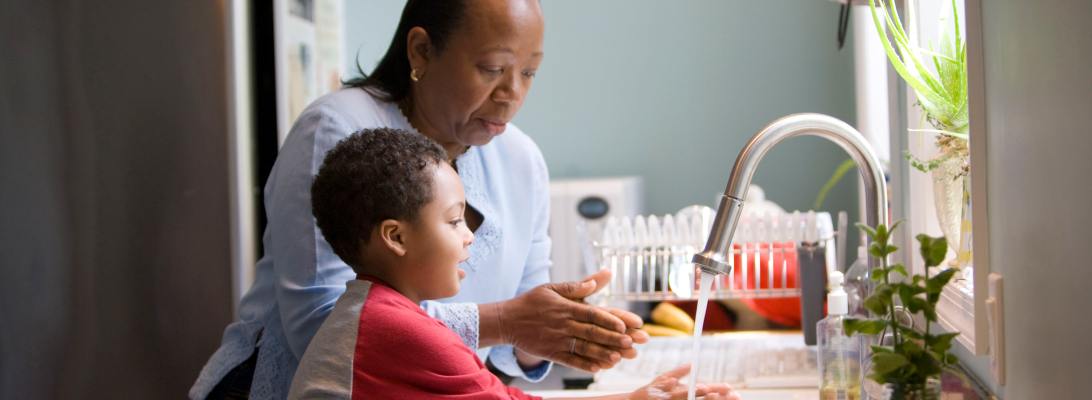
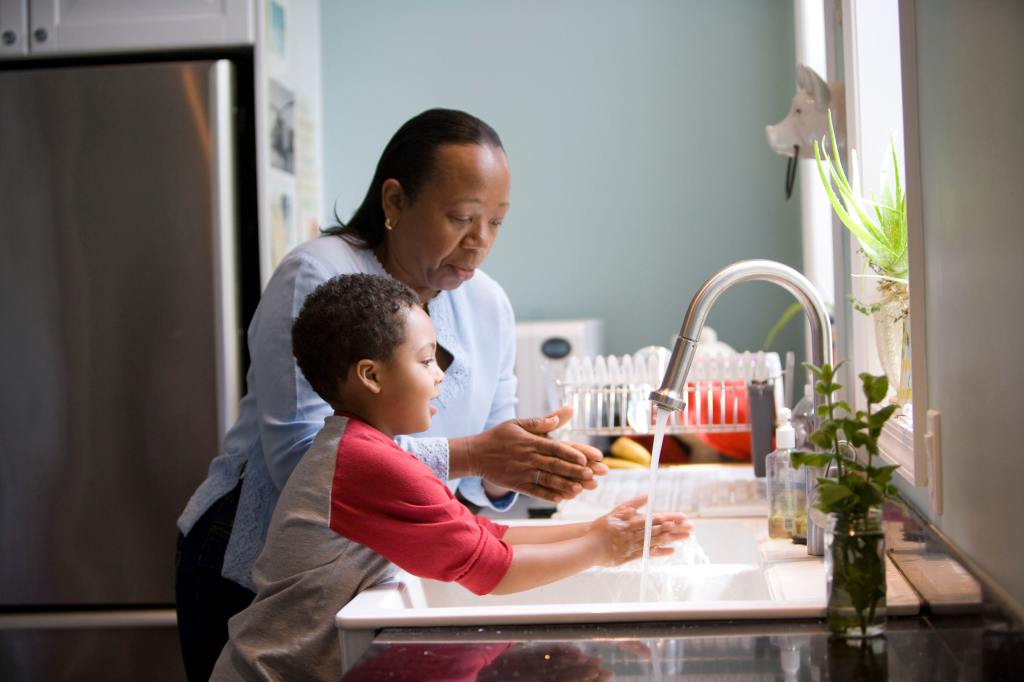
Children are mirrors and imitators. They reflect back to you how you behave and what you feel by imitating it. Therefore, as with many other aspects of life, personal hygiene is built on practice rather than theory. There’s no purpose explaining how body care works to your child if you don’t set an example. Allow them to watch you as you wash your hands before meals, before reading a book, after coming back from a walk.

Narrating step by step 

Narrating what you do can be super helpful! While your child watches you wash your hands, clean under your fingernails, and comb your hair, you can narrate the step-by-step process. Explain what you are doing and why. This will facilitate familiarization with the context in which such actions are necessary. It is possible that your little one even feels the urge to repeat the step by step aloud, imitating your attitude.

Involving Your Child in the Decision-Making Process

Ask your child’s opinion and give him the power to choose some aspect of the activity. For example, he cannot choose whether to shower or not, but he can decide which shampoo or soap he wants to use. Give him two or three options at the most, so that he learns to have some control over his actions and, over time, performs them alone.

Associate hygiene moments with songs or stories

Another way to help solidify hygiene habits into routine is to associate some of those moments and tasks with music or a storytelling time. There are nursery rhymes that talk about brushing your teeth, combing your hair, keeping your fingernails clean, and cleaning your ears. Sing them with your child before or during these activities. It will make the process a lot more fun and enjoyable. Over time, allow and encourage your child to perform each task without your help.  

Don’t Force it 

It’s common for little ones to refuse to do activities, so parents tend to get creative when persuading their child to do something. However, if you notice they are always unhappy and reluctant when performing a specific activity such as combing their hair, talk to them about it. If they can’t talk just yet, don’t force it. Find out what is preventing you (or them) from doing the task. It will be easier to find the root cause of the problem. For example, some children have really sensitive scalps, so they tend to complain about combing their hair. If this is the case for your little one, look for hairbrushes with softer bristles.

Encouraging hygiene habits at a young age also helps make them aware of their own bodies and various other aspects of their daily lives. Healthy personal hygiene habits that are learned in childhood will last a lifetime.

What did you think of our tips and tricks? What else would you add? Try them out at home and come back to tell us about the progress you have made with your little one.

5 Rainy Day Activities Anyone Can do With Their Kids

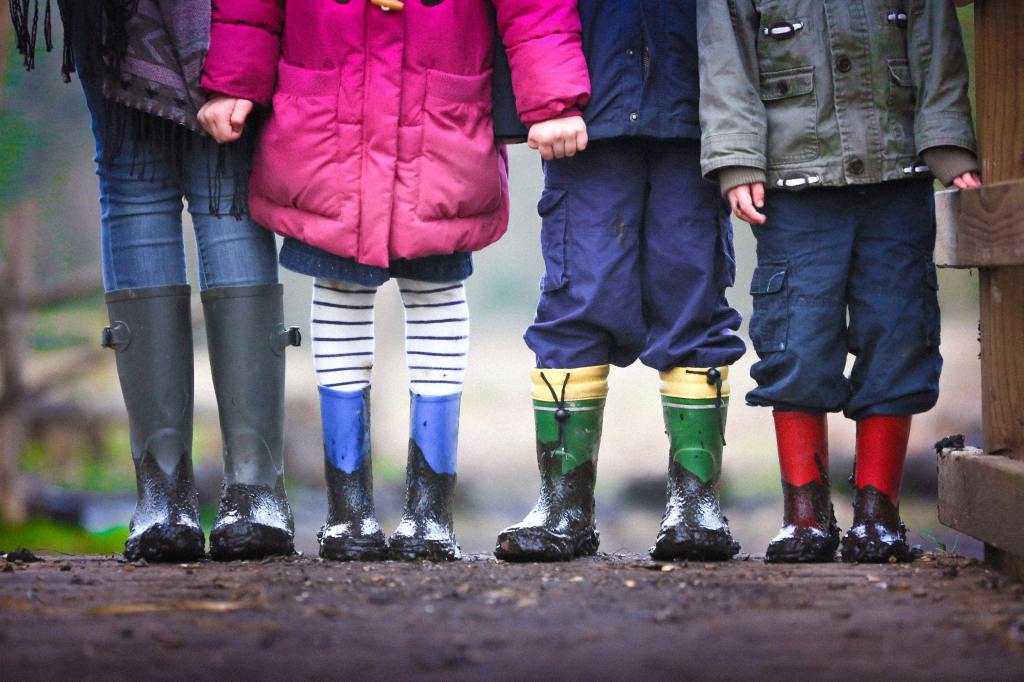
Contrary to popular belief, jumping in muddy puddles can be very fun!  However, when the weather conditions don’t allow for some outdoor time, we all enjoy some playtime indoors. Here are some fun rainy day activities anyone can do with their kids:

Obstacle course

This is a great energy burning activity that needs very little prepping time. I usually introduce the activity by placing a few pillows on the floor – one in front of the other and leaving some space in between. I also tend to create the first rule which usually is: jumping over the pillows without stepping on them. They look so proud to get to the finish line and are often eager to do it over and over again. I try to get them involved in creating the next obstacle and the next rule. Eventually, they take over with the creativity part of the game. They usually will come up with the funniest obstacles such as: rolling or jumping for an x amount of times, crawling in zig zag motions, climbing the couch or crawling under the dining table. This multi step activity will keep them engaged, and encourage their sequencing and memory skills. 

Everyday Tasks

It’s nothing new to say that little ones enjoy taking part in everyday tasks. It could be simple things such as loading the dishwasher, sorting out the laundry, setting the table, watering the plants, arranging flowers and many others. Window washing is also a practical life activity that can be quite fun and long lasting. All you will need is a small squeegee (or a cleaning cloth), a sponge and a spray bottle with water. I know it can be a dull task for us adults, but many children see it as a fun opportunity to spray water, to use their little muscles to reach and clean up high, or to push and pull the squeegee. Additionally, if you find that your children are destructively splashing around in your dish washing area or interested in pouring drinking water all over the floor, this will be a great activity to help redirect them. Let them inspect how it moves and experiment with it! 

Cooking

Cooking can also be an everyday task, but I chose to mention it separately because cooking with your little ones can benefit them in many ways. It will encourage exploration with their senses by listening to the blender whirring noise, smelling ingredients, or even by tasting a warm fresh cake out of the oven. It can even help them build basic skills by counting ingredients or pouring milk into a mixing bowl. They will feel included and accomplished by helping you in the kitchen. Here is an easy and healthy Banana Bread Recipe that will be perfect for a rainy day. 

Sensory Bins

Sensory bins allow children to explore and learn through hands-on tactile play that engages their senses. You might already have at home some sensory bin fillers like beans, pasta or even oats. The bins can be themed based on the current interest of your child. If they are currently into animals, grab some animal figurines you might already have to “build a farm” by using corn kernels as the floor. If they are into building things, grab some trucks and load them with oats to create a “construction site”. Regardless of the theme, I’d encourage providing them with some spoons, jars or small containers for them to practice dumping, filing, and scooping. This can be an independent activity, but also a fun parent-child bonding opportunity. 

Pretend Play

Lastly, this might be one of my favorite activities to do with the little ones. It encourages social, language and motor coordination development. This could be fairly simple as pretending to drink tea from a pretend toy cup. I tend to use simple open ended objects to encourage children to use their imagination to decide how they will use that object. Some of these materials can be blocks, crayons, paper or clay. I also try to facilitate the play without dominating it. I often will follow along with the child’s imagination and suggestions as opposed to my own. For example, they might say they want to build a “big house” for their Lego dolls. However, they proceed to grab the smallest blocks available, and I know none of the little dolls will fit. Instead of directing them to the bigger blocks, I allow them to lead the play. I have noticed that they will either go back for the big blocks on their own or change their minds and use the small blocks as something else like a bed for their dolls. It’s fascinating to see the ideas they come up with.