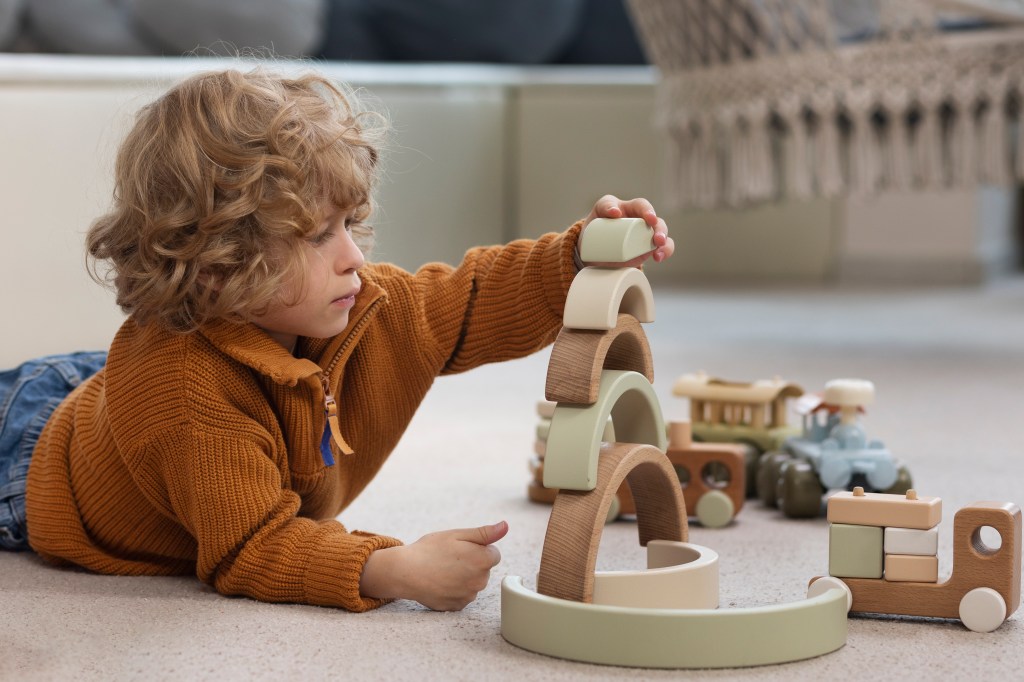
The Wonder of Wooden Toys: Maria Montessori’s Wisdom

In the fast-paced digital age, where screens and plastic toys often dominate children’s playtime, there’s a timeless charm to wooden toys that continues to captivate young minds. Wooden toys appreciated for their simplicity, durability, and educational value have been a staple in children’s playrooms for generations. One of the most significant proponents of wooden toys was Maria Montessori, the renowned Italian educator and founder of the Montessori method of education.
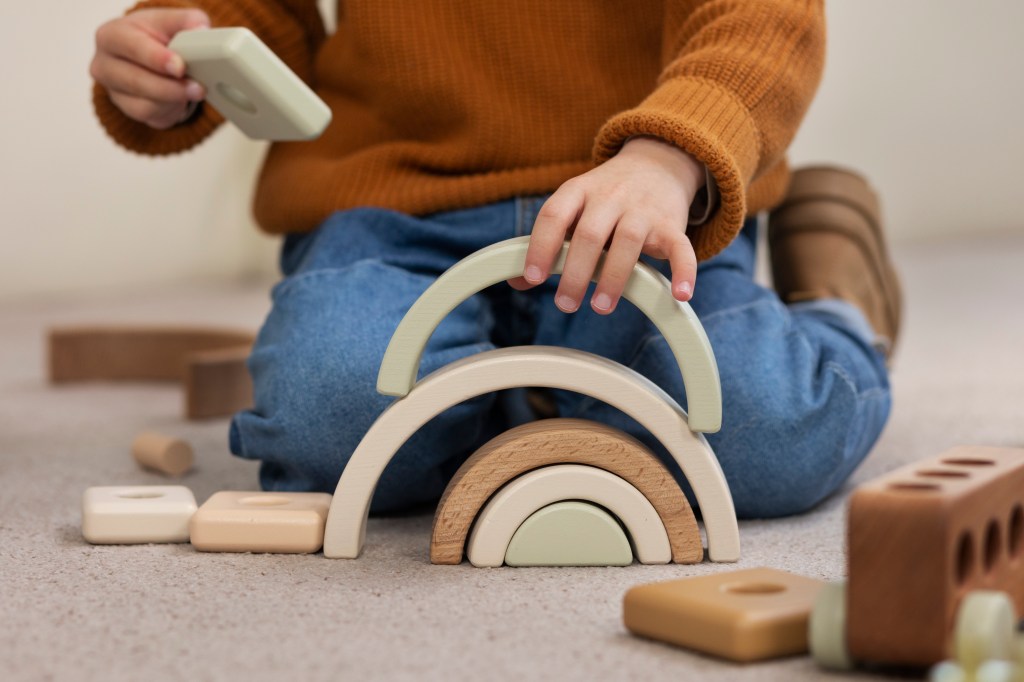
Maria Montessori believed that wooden toys aligned with her philosophy of allowing children to learn at their own pace and in a self-directed manner. Montessori believed that children should be surrounded by natural materials in their learning environment. Wooden toys fit this criterion perfectly, as they are made from sustainably sourced wood and free from harmful chemicals. Montessori toys are intentionally designed to be simple, without excessive decorations or noise. This allows children to focus on the toy’s intrinsic qualities and encourages mindfulness in play. Additionally, many Montessori wooden toys are self-correcting, meaning that if a child makes a mistake while using them, they can easily identify and rectify it. This promotes independence and a sense of accomplishment.
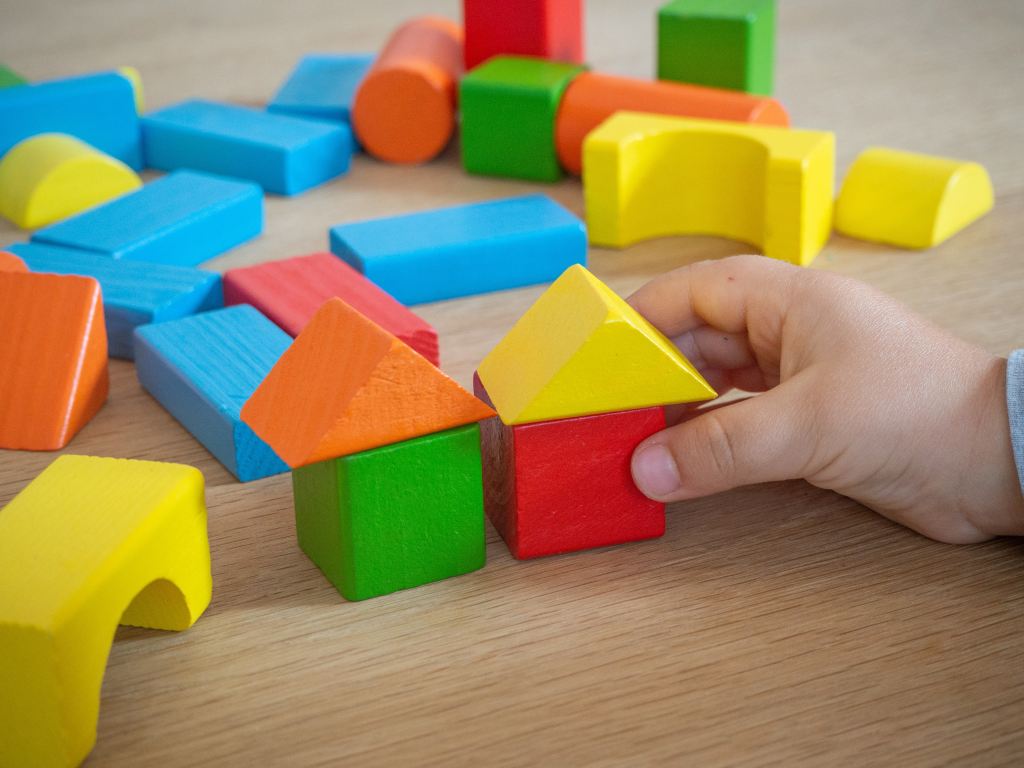
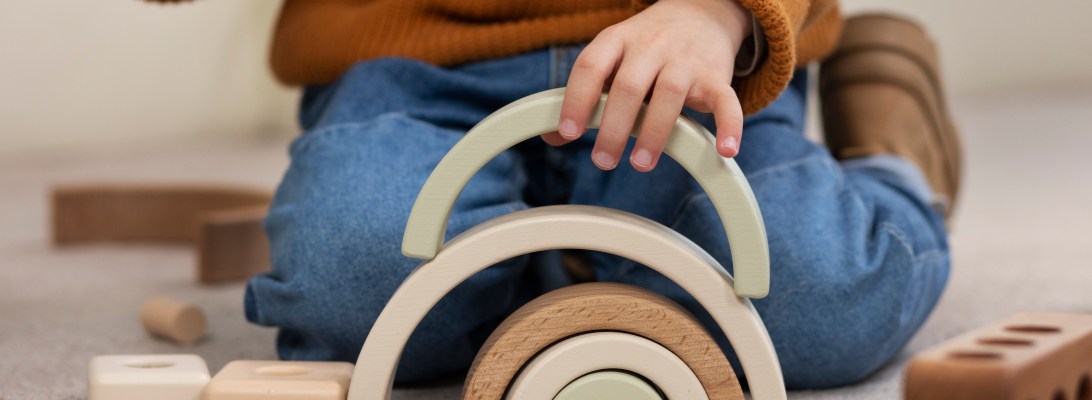
There are also many benefits of using toys made of wood. Wooden toys engage multiple senses, providing a tactile experience that promotes sensory development. The natural texture and weight of wood offer a pleasing sensory contrast to plastic toys. Children can feel the grain, weight, and temperature of the wood, enhancing their sensory perception. Another benefit is durability. Wooden toys are built to last. Unlike their plastic counterparts, wooden toys withstand rough handling and can be passed down through generations. This durability not only saves money but also reduces environmental waste. Addiotionally, wooden toys often lack the bells, whistles, and predetermined functions of electronic toys. This encourages open-ended play, allowing children to use their creativity and imagination to bring the toys to life. Wooden blocks, for example, can become anything from castles to bridges in a child’s mind. Finally, Manipulating wooden toys, such as puzzles, stackable blocks, or shape sorters, hones fine motor skills. The precision required to place a block on top of another or fit a puzzle piece helps develop hand-eye coordination and dexterity.

In a world filled with flashy, disposable toys, the enduring appeal of wooden toys is a testament to their timeless value in child development. Maria Montessori’s endorsement of these toys aligns with her holistic approach to education, emphasizing the importance of simplicity, independence, and the child’s innate desire to explore and learn. By providing wooden toys to children, we can help them grow, develop, and embark on a journey of self-discovery through meaningful, purposeful “work.”


Nurturing Young Minds: Exploring Montessori Sensitive Periods

Every child is a unique and curious individual, constantly absorbing the world around them. Maria Montessori, a visionary educator, recognized that children go through distinct phases of heightened sensitivity and receptiveness to specific aspects of their environment. These magical windows of opportunity, known as Montessori sensitive periods, offer parents and educators incredible insights into how children learn and develop. In this blog post, we’ll delve into the fascinating world of Montessori sensitive periods, exploring what they are, why they matter, and how you can support your child’s growth during these critical stages.

Understanding Montessori Sensitive Periods

Montessori sensitive periods are specific time frames in a child’s life when they are particularly attuned to acquiring particular skills or characteristics. During these periods, children exhibit an intense focus and enthusiasm for specific activities that aid their development. These periods are not limited to a strict timeline; rather, they vary for each child and can range from a few weeks to several months.

Key Sensitive Periods

  1. Language: From 7 months (in the uterus) to around six years old, children are highly sensitive to language. They absorb words, sounds, and grammatical structures with ease. This is a prime time to introduce multiple languages and rich vocabulary.
  2. Order: Around ages zero to three, children seek order and routine in their environment. Providing organized spaces and consistent routines can satisfy this sensitive period and foster a sense of security.
  3. Movement: Between birth and four years old, children are driven to refine their motor skills. Activities like crawling, walking, and fine motor tasks support their physical development.
  4. Small Objects: From around zero to three years old, children are fascinated by small objects and details. Offering manipulative toys and engaging activities can aid in developing their fine motor skills and concentration.
  5. Social Interaction: Typically occurring between two and four years old, this period focuses on social development. Children become interested in playing with peers and imitating adult behaviors.
  6. Sensory Exploration: From birth to around six years old, children are highly sensitive to sensory experiences. Stimulate their senses through activities involving touch, smell, taste, sight, and sound.
  7. Writing and Reading: Between ages three and six, children become interested in writing and reading. Providing access to age-appropriate writing tools and reading materials can nurture these skills.

Supporting Your Child’s Sensitive Periods

  • Observation: Pay close attention to your child’s interests and behaviors. Observe what activities captivate their attention and offer them opportunities to explore and engage.
  • Prepared Environment: Create an environment that caters to your child’s sensitive period. Provide age-appropriate materials and activities that encourage exploration and learning.
  • Patience and Freedom: Allow your child the freedom to choose activities that interest them. Be patient and avoid interrupting their focused exploration.
  • Provide Guidance: Offer gentle guidance and support when needed. Show your child how to use materials, but let them discover and experiment on their own.
  • Flexibility: Sensitive periods can overlap, and children may revisit certain periods. Be flexible and adjust your approach as your child’s interests and needs evolve.

Understanding and embracing Montessori sensitive periods can profoundly impact your child’s learning and development journey. By recognizing and nurturing these periods, you can provide a supportive environment that encourages natural curiosity, exploration, and skill acquisition. Each sensitive period is a unique opportunity to guide your child’s growth and create a strong foundation for a lifetime of learning. So, as you observe your child’s interests and behaviors, remember that you’re witnessing the magic of sensitive periods unfolding before your eyes.

Language Development

Language is the ability that two or more people have to encode ideas into a signaling system for communication. There are many forms of communication such as signing, singing and speaking. There are also two agreements that must be made for language to exist and to be effective. The first is that a sequence of sounds represents a certain object or an event. The second is that words are always used in a certain grammatical order for a sentence to have meaning, but these vary within groups of people. These two agreements exist in all cultures regardless of their language. 

Language has many characteristics such as it being creative and in continuous development. Interestingly, language is not limited to thoughts. For instance, infants are drawn on past experiences they have had on past objects. Additionally, language is fundamentally social. We use it to be part of our family and our social group. It is a very unique human aspect. It’s through language that we communicate with our species, express our ideas and reflect our culture. 

There is a universally recognized structure to the acquisition of language and so all children follow the same acquisition time frame. The first stage is called Prelinguistic. It begins at 7 months in the uterus and continues until the first time the child speaks its first real word. Sound and movement help with the sense apparatus. At 3 months old, the child becomes interested in the human voice. At around 2-4 months, the baby starts to cooing, gurgling, and making long vowel sounds. At 6 months, infants start making Automatic Babbling. They take delight in practicing all these different sounds, even making sounds that are not human. Their cords start lengthening, and they are able to make consonant sounds such as papa, dada, mama, etc.

This developmental milestone will lead onto Selective Babbling which is when the infant stops making sounds that they do not hear in the environment. Between 6-7 months of age, babies start linking words to their meaning. Lallation takes place around 8 months, which is when children start embedding words into what they say by replacing difficult sounds for easier sounds that they can make. At around 11 months, children go into the Echolalia phase. I remember looking after kids who went through this phase. They just loved repeating or imitating my words. I would ask “Do you want to go to the park?” and they would say “park” instead of yes or no. Finally, at 12-18 months Linguistics occurs which refers to the child’s explosion of vocabulary acquisition. This “word spurt” that children experience can be very fun and rewarding.

As a child caretaker, it can be quite overwhelming to attend to all these developmental milestones as they are happening. Therefore, it’s important to practice and improve your observation skills whilst linking the child to the environment and removing obstacles. Adults can also support language development by breastfeeding, reading books, speaking slowly and clearly, using real words, allowing children to choose their own words, making constant attempts to listen and understand them, engaging children in daily conversations through rich vocabulary and many more. Overall, the adult’s role is to aid children in their development by understanding their needs and acting appropriately.  

5 Rainy Day Activities Anyone Can do With Their Kids

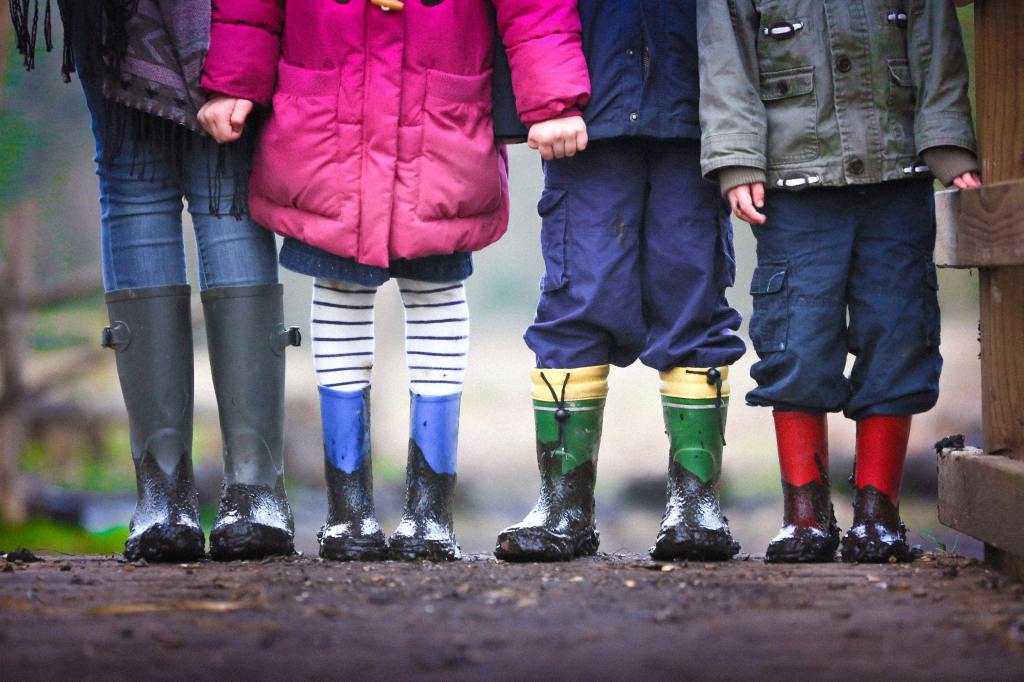
Contrary to popular belief, jumping in muddy puddles can be very fun!  However, when the weather conditions don’t allow for some outdoor time, we all enjoy some playtime indoors. Here are some fun rainy day activities anyone can do with their kids:

Obstacle course

This is a great energy burning activity that needs very little prepping time. I usually introduce the activity by placing a few pillows on the floor – one in front of the other and leaving some space in between. I also tend to create the first rule which usually is: jumping over the pillows without stepping on them. They look so proud to get to the finish line and are often eager to do it over and over again. I try to get them involved in creating the next obstacle and the next rule. Eventually, they take over with the creativity part of the game. They usually will come up with the funniest obstacles such as: rolling or jumping for an x amount of times, crawling in zig zag motions, climbing the couch or crawling under the dining table. This multi step activity will keep them engaged, and encourage their sequencing and memory skills. 

Everyday Tasks

It’s nothing new to say that little ones enjoy taking part in everyday tasks. It could be simple things such as loading the dishwasher, sorting out the laundry, setting the table, watering the plants, arranging flowers and many others. Window washing is also a practical life activity that can be quite fun and long lasting. All you will need is a small squeegee (or a cleaning cloth), a sponge and a spray bottle with water. I know it can be a dull task for us adults, but many children see it as a fun opportunity to spray water, to use their little muscles to reach and clean up high, or to push and pull the squeegee. Additionally, if you find that your children are destructively splashing around in your dish washing area or interested in pouring drinking water all over the floor, this will be a great activity to help redirect them. Let them inspect how it moves and experiment with it! 

Cooking

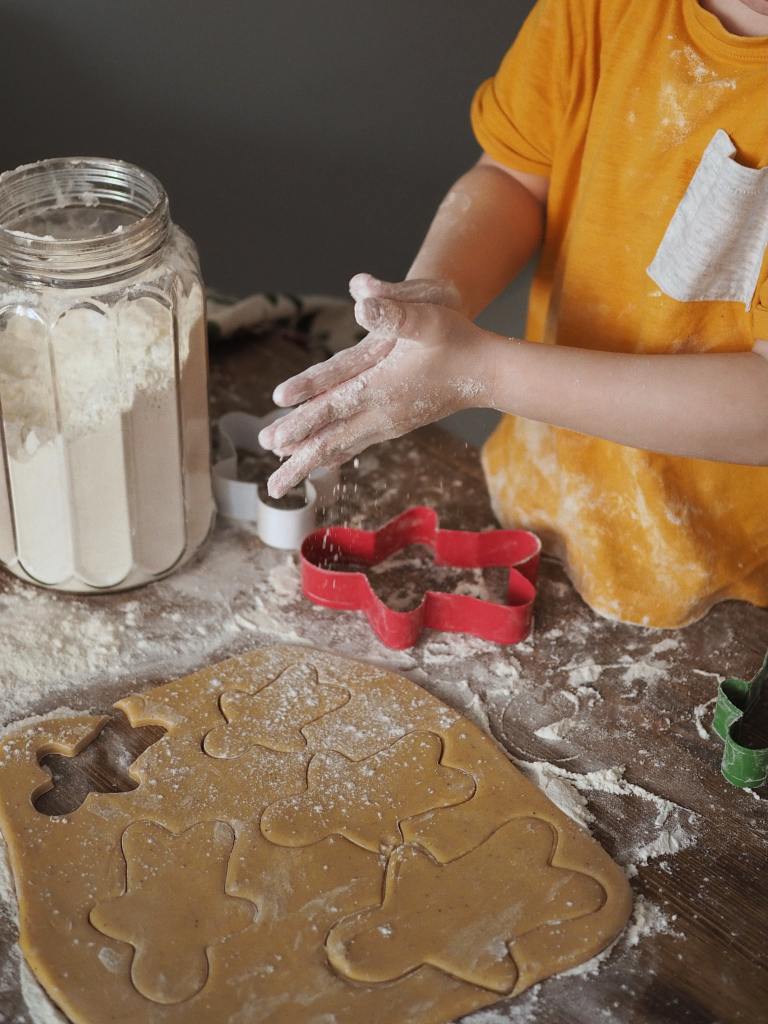
Cooking can also be an everyday task, but I chose to mention it separately because cooking with your little ones can benefit them in many ways. It will encourage exploration with their senses by listening to the blender whirring noise, smelling ingredients, or even by tasting a warm fresh cake out of the oven. It can even help them build basic skills by counting ingredients or pouring milk into a mixing bowl. They will feel included and accomplished by helping you in the kitchen. Here is an easy and healthy Banana Bread Recipe that will be perfect for a rainy day. 

Sensory Bins

Sensory bins allow children to explore and learn through hands-on tactile play that engages their senses. You might already have at home some sensory bin fillers like beans, pasta or even oats. The bins can be themed based on the current interest of your child. If they are currently into animals, grab some animal figurines you might already have to “build a farm” by using corn kernels as the floor. If they are into building things, grab some trucks and load them with oats to create a “construction site”. Regardless of the theme, I’d encourage providing them with some spoons, jars or small containers for them to practice dumping, filing, and scooping. This can be an independent activity, but also a fun parent-child bonding opportunity. 

Pretend Play

Lastly, this might be one of my favorite activities to do with the little ones. It encourages social, language and motor coordination development. This could be fairly simple as pretending to drink tea from a pretend toy cup. I tend to use simple open ended objects to encourage children to use their imagination to decide how they will use that object. Some of these materials can be blocks, crayons, paper or clay. I also try to facilitate the play without dominating it. I often will follow along with the child’s imagination and suggestions as opposed to my own. For example, they might say they want to build a “big house” for their Lego dolls. However, they proceed to grab the smallest blocks available, and I know none of the little dolls will fit. Instead of directing them to the bigger blocks, I allow them to lead the play. I have noticed that they will either go back for the big blocks on their own or change their minds and use the small blocks as something else like a bed for their dolls. It’s fascinating to see the ideas they come up with.