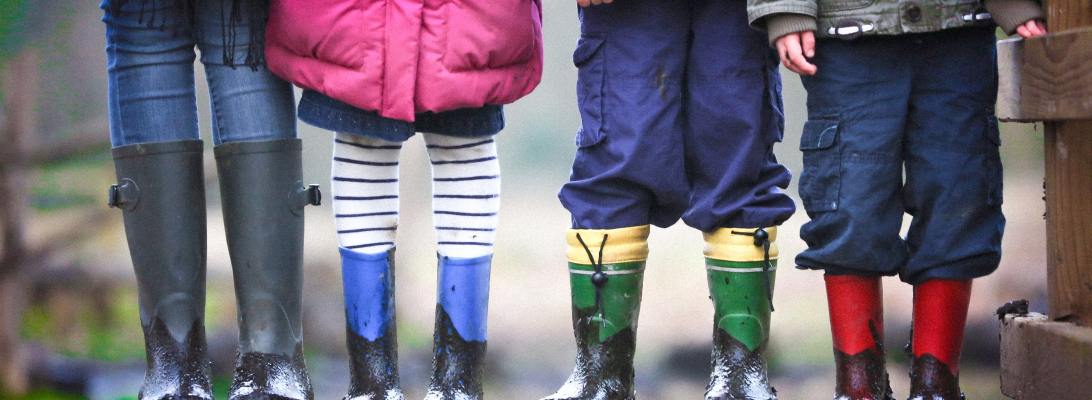
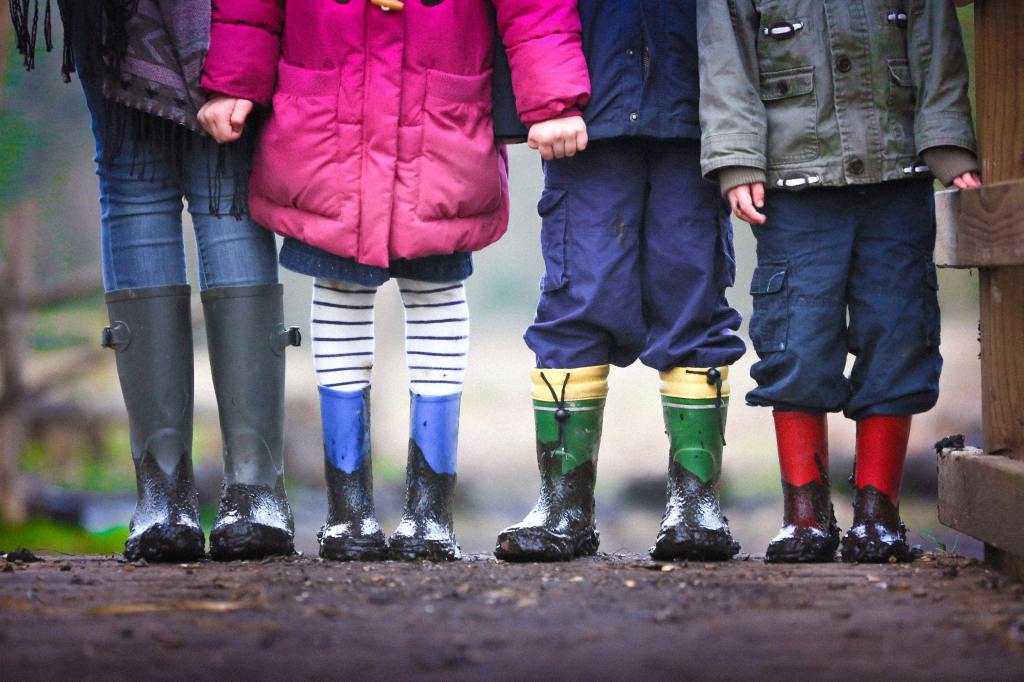
Contrary to popular belief, jumping in muddy puddles can be very fun! However, when the weather conditions don’t allow for some outdoor time, we all enjoy some playtime indoors. Here are some fun rainy day activities anyone can do with their kids:
Obstacle course
This is a great energy burning activity that needs very little prepping time. I usually introduce the activity by placing a few pillows on the floor – one in front of the other and leaving some space in between. I also tend to create the first rule which usually is: jumping over the pillows without stepping on them. They look so proud to get to the finish line and are often eager to do it over and over again. I try to get them involved in creating the next obstacle and the next rule. Eventually, they take over with the creativity part of the game. They usually will come up with the funniest obstacles such as: rolling or jumping for an x amount of times, crawling in zig zag motions, climbing the couch or crawling under the dining table. This multi step activity will keep them engaged, and encourage their sequencing and memory skills.
Everyday Tasks
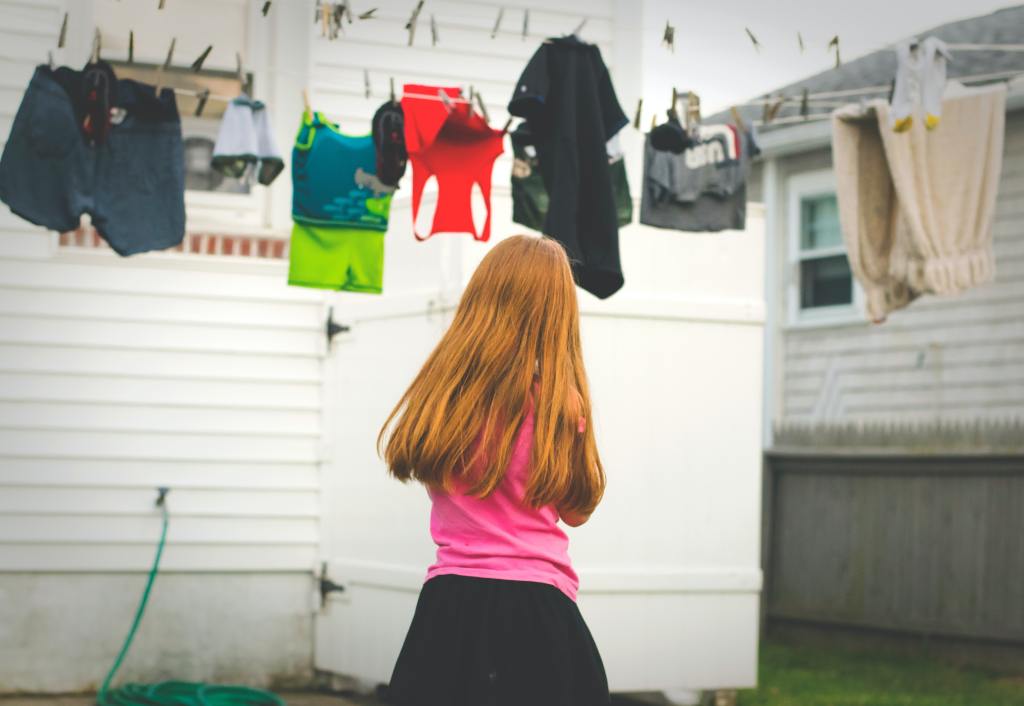
It’s nothing new to say that little ones enjoy taking part in everyday tasks. It could be simple things such as loading the dishwasher, sorting out the laundry, setting the table, watering the plants, arranging flowers and many others. Window washing is also a practical life activity that can be quite fun and long lasting. All you will need is a small squeegee (or a cleaning cloth), a sponge and a spray bottle with water. I know it can be a dull task for us adults, but many children see it as a fun opportunity to spray water, to use their little muscles to reach and clean up high, or to push and pull the squeegee. Additionally, if you find that your children are destructively splashing around in your dish washing area or interested in pouring drinking water all over the floor, this will be a great activity to help redirect them. Let them inspect how it moves and experiment with it!
Cooking
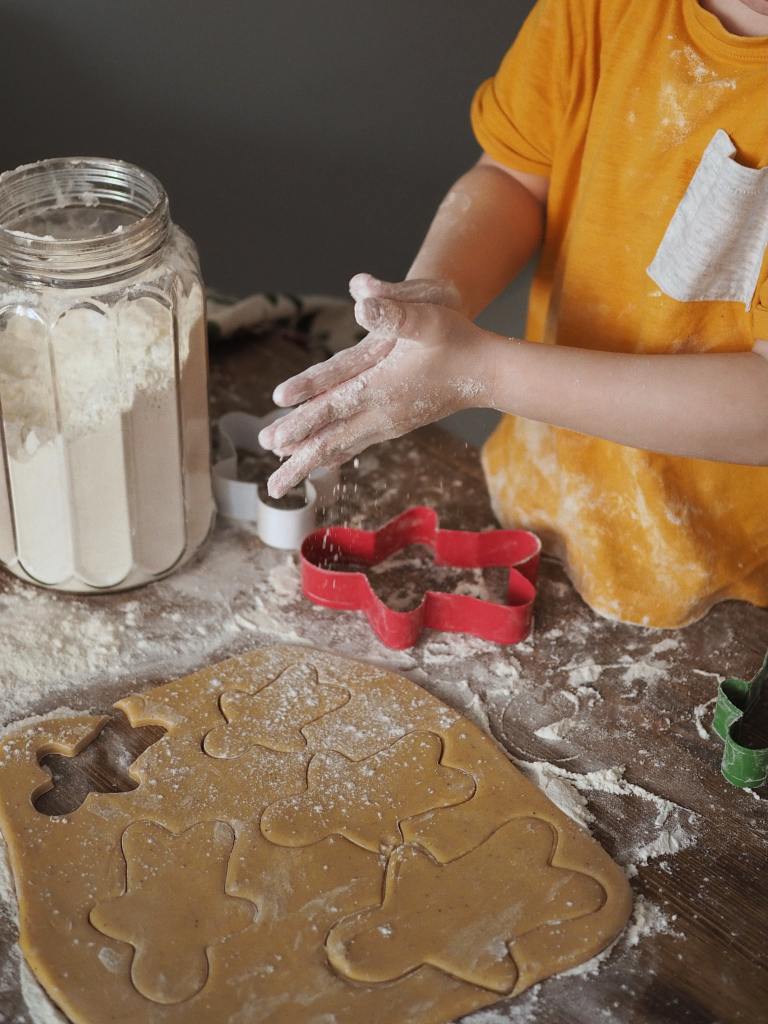
Cooking can also be an everyday task, but I chose to mention it separately because cooking with your little ones can benefit them in many ways. It will encourage exploration with their senses by listening to the blender whirring noise, smelling ingredients, or even by tasting a warm fresh cake out of the oven. It can even help them build basic skills by counting ingredients or pouring milk into a mixing bowl. They will feel included and accomplished by helping you in the kitchen. Here is an easy and healthy Banana Bread Recipe that will be perfect for a rainy day.
Sensory Bins
Sensory bins allow children to explore and learn through hands-on tactile play that engages their senses. You might already have at home some sensory bin fillers like beans, pasta or even oats. The bins can be themed based on the current interest of your child. If they are currently into animals, grab some animal figurines you might already have to “build a farm” by using corn kernels as the floor. If they are into building things, grab some trucks and load them with oats to create a “construction site”. Regardless of the theme, I’d encourage providing them with some spoons, jars or small containers for them to practice dumping, filing, and scooping. This can be an independent activity, but also a fun parent-child bonding opportunity.

Pretend Play
Lastly, this might be one of my favorite activities to do with the little ones. It encourages social, language and motor coordination development. This could be fairly simple as pretending to drink tea from a pretend toy cup. I tend to use simple open ended objects to encourage children to use their imagination to decide how they will use that object. Some of these materials can be blocks, crayons, paper or clay. I also try to facilitate the play without dominating it. I often will follow along with the child’s imagination and suggestions as opposed to my own. For example, they might say they want to build a “big house” for their Lego dolls. However, they proceed to grab the smallest blocks available, and I know none of the little dolls will fit. Instead of directing them to the bigger blocks, I allow them to lead the play. I have noticed that they will either go back for the big blocks on their own or change their minds and use the small blocks as something else like a bed for their dolls. It’s fascinating to see the ideas they come up with.
 Braga Montessori