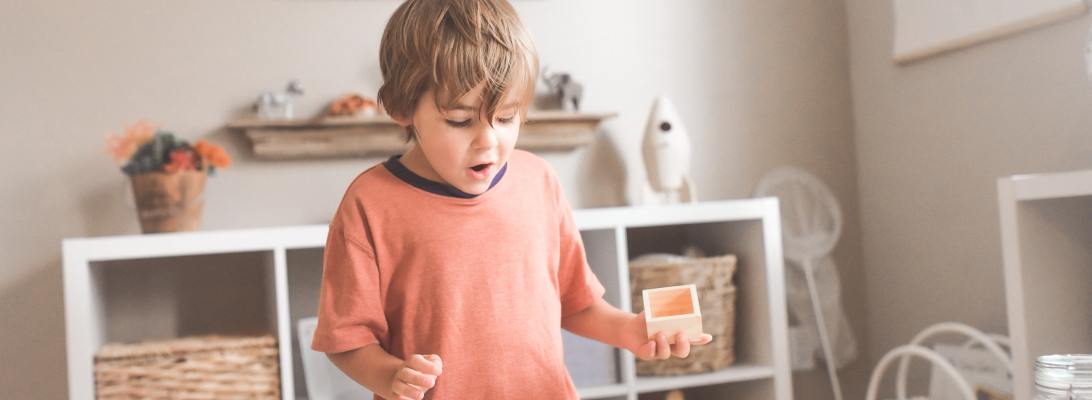
Every living organism needs a specific environment in order to survive and to meet their full potential. Montessorians call this a Prepared Environment.
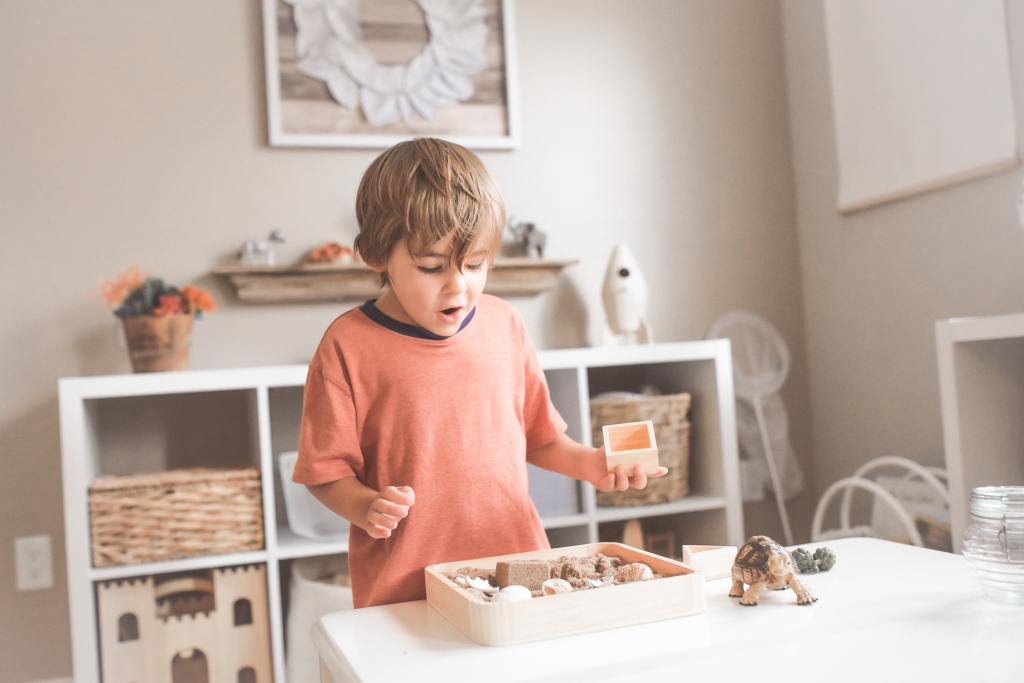
How it works:
Generally, in traditional education, the teacher is the center of all learning and is the one giving knowledge to the children. In Montessori education, the child is the center of all learning, and the teacher serves as a guide by preparing the environment and giving knowledge to the children on how to be in the environment. Child receives feedback from the environment by independently interacting with the environment. The teacher also receives feedback from the child and their interactions from the environment.
“The child must be able to use everything he comes across in the house, and he must be able to do the ordinary tasks of everyday life.”
Maria Montessori, The Child in the Family
Physical Environment vs Psychological (Human) Environment.
We are all a product of the environment we grew up in, so it is important to create the right environment that recognizes the child’s needs. The prepared environment can be broken down into two main concepts: Physical Environment and Psychological Environment. They are both designed to nurture and protect growth, but they are slightly different. The Physical Environment refers to the creation of the space to support human development. This is what the child will experience through his senses. Therefore, being aware of things like the amount of natural light, the proportionate furniture to children’s height, or even the room’s temperature and sounds can be very important. The Psychological (Human) Environment refers to the child learning to be a human being by watching the adult’s behavior and attitude. Adults play an important role as they must be aware of their organization skills, emotions, language use, grace & courtesy. They should also be aware of the child’s movement and development by being a good role model.
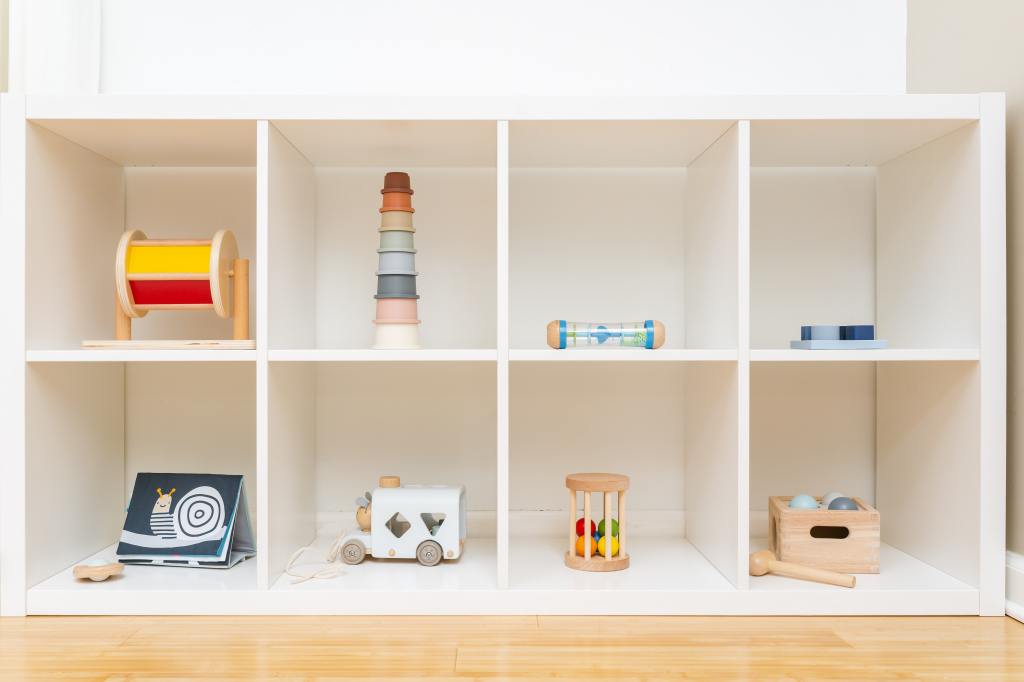
The Prepared Environment is designed to nurture and protect growth. In order to provide an environment that meets the child’s needs, it’s important to take into consideration their state of development. It’s the adult’s responsibility to prepare this environment with the primary intention of linking the child to the environment, so that they can follow their natural path of development.
 Braga Montessori